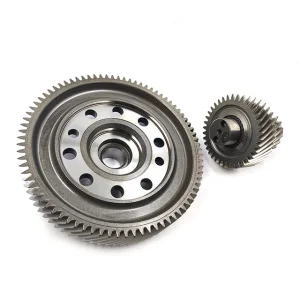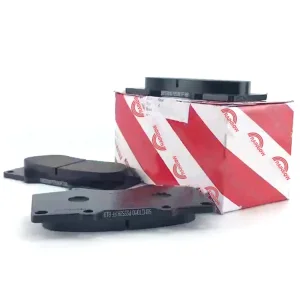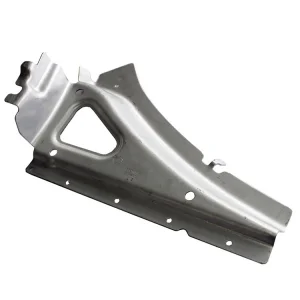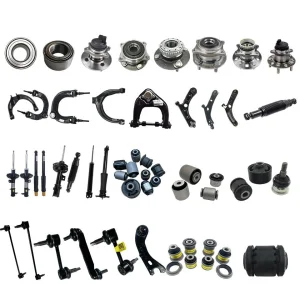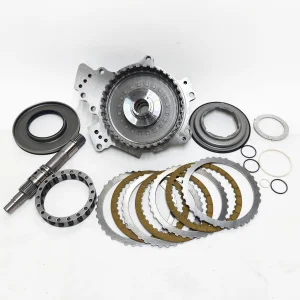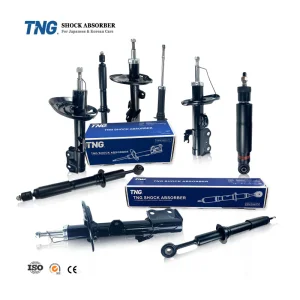
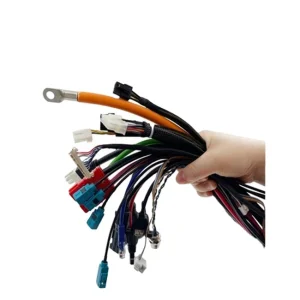
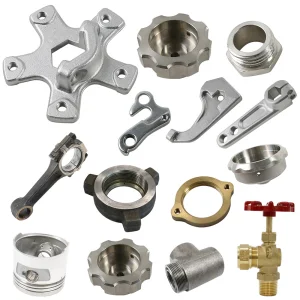
Guangzhou Yihe Auto Co., Ltd. is a professional Auto Parts Manufacturer | Engine Components, Suspension Parts & Automotive Systems dedicated to providing high-quality automotive components and customized manufacturing solutions for global vehicle manufacturers, distributors, wholesalers, and aftermarket suppliers. With years of industry experience, the company serves a wide range of automotive sectors, including passenger vehicles, commercial trucks, electric vehicles, and industrial transportation equipment.
Located in Guangzhou, China, Yihe Auto operates modern production facilities equipped with advanced machining equipment, automated manufacturing lines, and comprehensive quality inspection systems. The company specializes in the development and production of engine components, suspension parts, steering system components, brake system parts, transmission components, chassis parts, automotive electrical systems, cooling system components, and various custom-engineered automotive solutions.
Quality, precision, and reliability are the foundation of the company's operations. Yihe Auto implements strict quality control procedures throughout every stage of production, from raw material sourcing and precision machining to assembly and final inspection. By utilizing advanced manufacturing technologies and high-performance materials, the company ensures that its products meet demanding industry standards for durability, safety, and long-term performance.
In addition to standard product manufacturing, Yihe Auto offers flexible OEM and ODM services tailored to customer requirements. The company's engineering and technical teams work closely with clients to develop customized automotive components that meet specific vehicle applications and market demands. From product design and prototyping to mass production and logistics support, Yihe Auto provides comprehensive manufacturing solutions under one roof.
Serving customers across North America, Europe, Southeast Asia, the Middle East, South America, and Africa, Guangzhou Yihe Auto Co., Ltd. has built a reputation for dependable quality, competitive pricing, and responsive customer service. The company remains committed to innovation, operational excellence, and long-term partnerships, helping customers achieve success in the rapidly evolving global automotive industry.
To successfully integrate automotive components into international supply chains, manufacturers must adhere to rigorous localization requirements and safety directives. At Guangzhou Yihe Auto Co., Ltd., we establish compliance as a baseline parameter in our initial R&D stages.
We perform systematic structural fatigue limits, thermal limits, and physical material evaluations to meet the European Union's CE safety, health, and environmental protection requirements. Our processes ensure full conformity for commercial aftermarket and OE replacement safety standards.
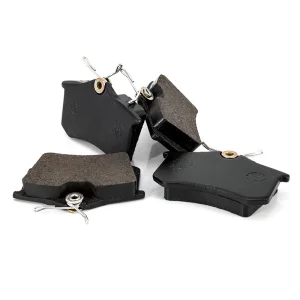
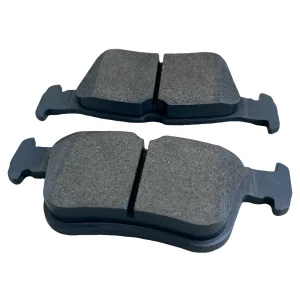
For brake systems and related suspension mounting points, compliance with ECE Regulation 90 (ECE R90) is crucial. Our low-metallic and ceramic friction materials undergo dynamometer and on-vehicle testing to certify equivalence to original equipment standards.
Our Quality Management System (QMS) uses the IATF 16949 framework to guide our manufacturing. Advanced Product Quality Planning (APQP), Production Part Approval Process (PPAP), and Statistical Process Control (SPC) are integrated into our operations.
The automotive supply chain requires a balance of manufacturing capability, cost management, and material logistics. Operating within Guangzhou’s auto industrial ecosystem, Guangzhou Yihe Auto Co., Ltd. leverages vertical integration to optimize these aspects.
Our raw material strategy utilizes direct relationships with local steel mills to secure alloy steels like 40Cr, 50CrV, and lightweight 6061-T6 aluminum alloys. This close integration enables consistent material chemistry and structural integrity for critical forgings and suspension linkages.
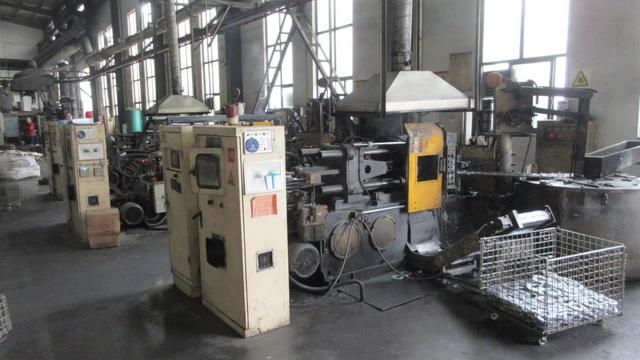
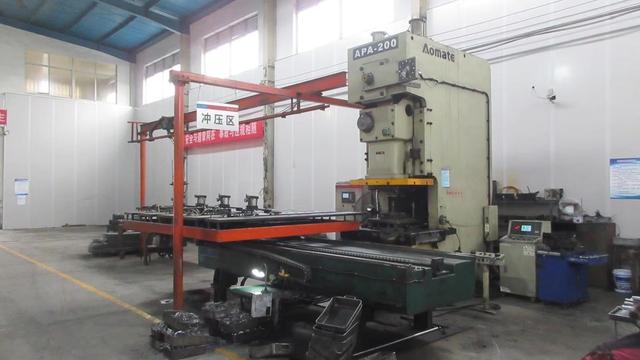
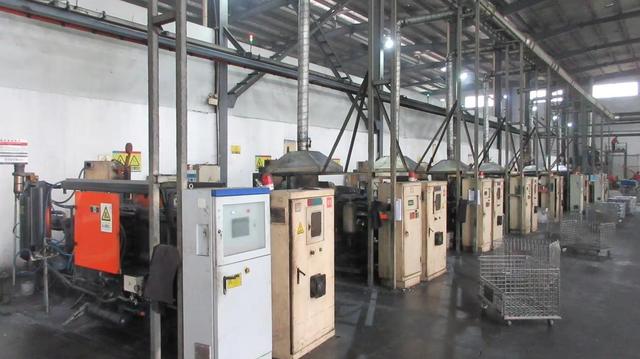
Our facilities house multi-station hydraulic hot forging presses and automated sheet-metal stamping lines. These systems maintain dimensional tolerances to +/-0.05mm, satisfying the strict alignment and geometric constraints of modern multi-link suspension assemblies.
Proximity to the Port of Guangzhou and Port of Shenzhen reduces land transit times, lowering FOB/CIF costs. This setup allows for prompt shipping to North American, European, and regional Asian distribution centers.
| Process Parameter | Standard Specification | Quality Assurance Benchmark |
|---|---|---|
| Material Grades | SAE 5140 / 40Cr Steel, 6061-T6 Aluminum | Spectrochemical Analysis verified per heat lot |
| Forging Tolerance | ISO 2768-m (Fine-Medium class) | 3D Laser Scanning & Coordinate Measuring Machine (CMM) |
| Surface Hardness | 50-55 HRC (Induction Hardened zones) | Microhardness profiling & Ultrasonic testing |
| Corrosion Resistance | Salt Spray Test (ASTM B117) > 480 hours | Cathodic Electrodeposition (Electrocoating/E-coat) |
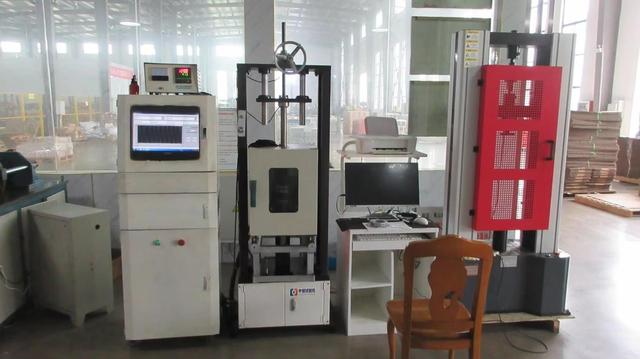
| Dynamic Fatigue Life | > 1,000,000 load cycles (axial/radial load) | Hydra-pulsator simulation matching OEM duty cycles |
Different regions present unique challenges for chassis components, influenced by vehicle architectures, regional terrains, and operating demands. Sourcing teams must analyze these localized configurations when procuring replacement or service parts.
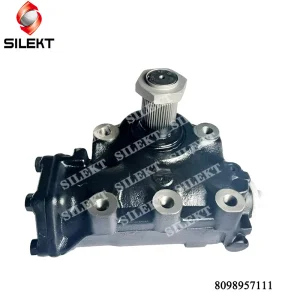
Heavy commercial transport demands high reliability. Components like our Steering Gear Box (WG9725478228) feature thicker input shafts and heavy-duty seals, engineered to handle sustained torsional stress and high-mileage fleet operations in demanding environments.
Regional markets favor specific vehicle configurations. We manufacture aftermarket chassis solutions for Japanese (Toyota, Honda, Nissan, Mazda, Mitsubishi, Subaru, Suzuki) and Korean (Hyundai, Kia) vehicles, ensuring exact OE dimensional interchangeability.
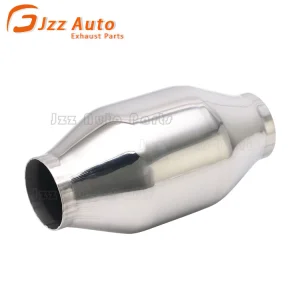
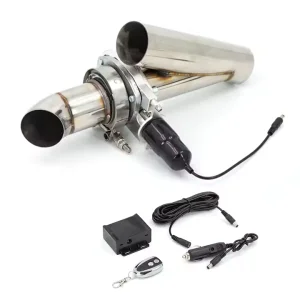
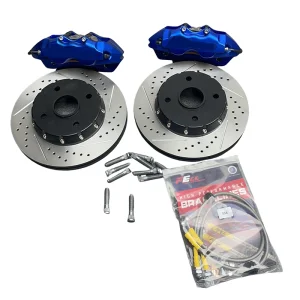
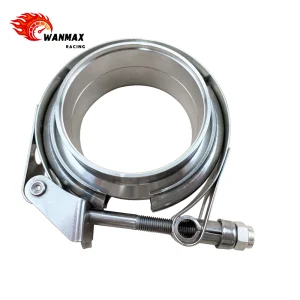
Electric vehicles introduce new suspension requirements due to high curb weights and immediate torque delivery. Additionally, performance platforms benefit from upgrades like multi-piston brake systems and valved exhaust lines designed to manage elevated thermal and mechanical stresses.
The global automotive sector is moving toward electrification, automated driving systems, and weight reduction. These shifts require suspension and steering components to evolve to support advanced vehicle platforms.
To offset the weight of large battery packs in electric vehicles, manufacturers are replacing traditional stamped steel components with forged aluminum control arms and hollow stabilizer bars. This shift helps reduce unsprung mass, improving both vehicle range and dynamic handling response.
Modern steering gearboxes and dampers are designed to interface with ADAS features. Electronic Power Steering (EPS) and active variable damping systems adjust in real time based on road conditions and vehicle sensor inputs, demanding higher precision from mechanical components.
The growth of ride-hailing and shared mobility fleets has increased the operational duty cycle of passenger cars. As a result, aftermarket suspension parts are engineered for extended wear cycles, featuring reinforced ball joints, high-durability synthetic bushings, and enhanced corrosion resistance.
Replacing steel control arms with forged aluminum reduces unsprung component weight by up to 35%, helping improve overall EV efficiency.
Specifying natural rubber with custom polyurethane compounds helps maintain component alignment and reduces noise, vibration, and harshness (NVH) under heavy loads.
Zinc-nickel plating and advanced electrostatic coatings help protect components from road salts and moisture, extending the service life of under-car assemblies.
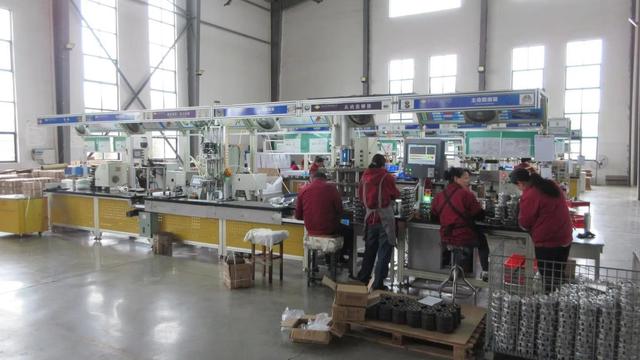
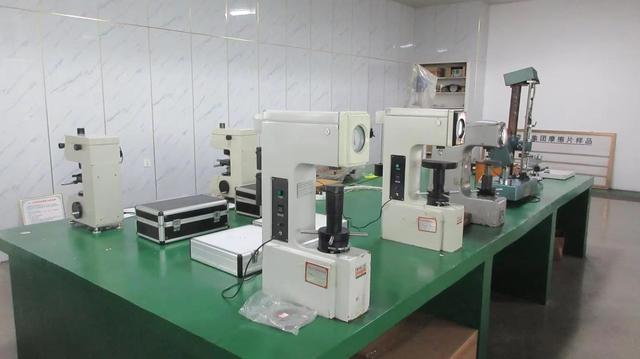
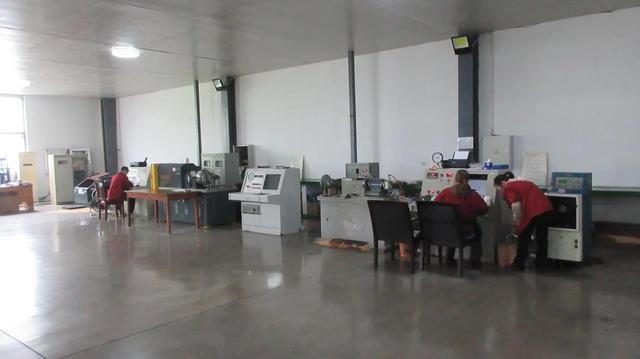
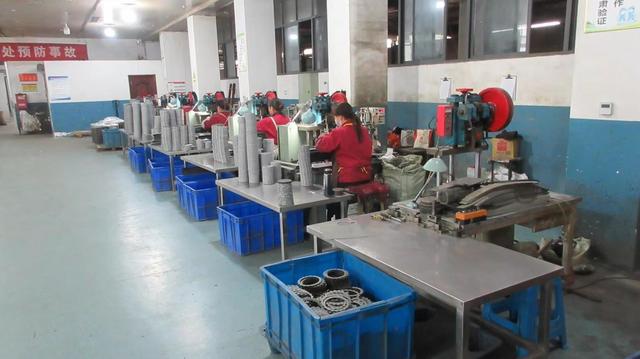
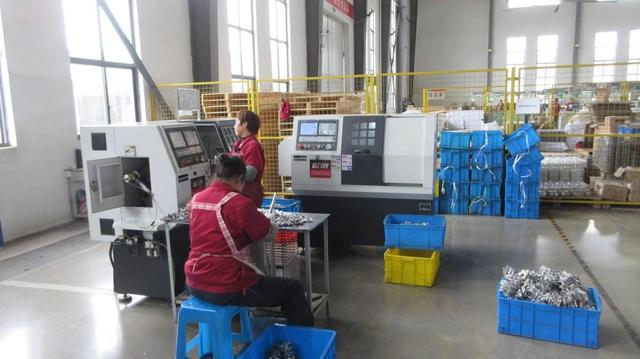
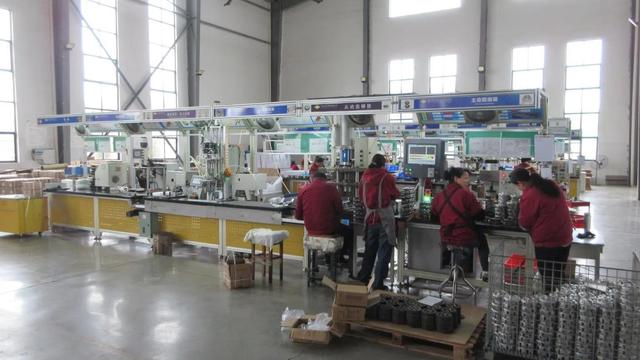
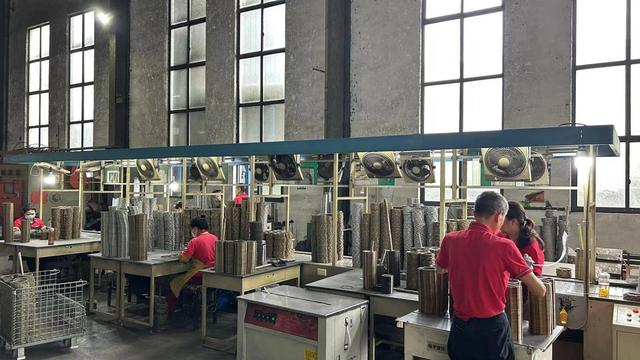
Our factory employs automated machining lines, high-pressure forging presses, and comprehensive testing systems to maintain quality control across our entire product range.
We use low-temperature resilient natural rubber bushings rated to -40°C alongside high-performance synthetic lubricants. Metal housings undergo thermal stress relief and tempering cycles to prevent embrittlement and stress cracking in cold climates.
Yes, we provide full Production Part Approval Process (PPAP) Level 3 documentation for OEM clients. This package includes design records, Process Failure Mode and Effects Analysis (PFMEA), control plans, dimensional reports, and material test results.
Forged 6061-T6 aluminum control arms offer an improved strength-to-weight ratio compared to stamped steel. The forging process aligns the metal grain structure, increasing fatigue resistance and reducing weight to improve suspension response and efficiency.
We perform routine production audits and test components using dynamic performance simulators. Our friction materials and suspension links undergo third-party laboratory verification to confirm compliance with CE and ECE R90 directives.
Lead times for standard catalog items average 30 to 45 days. For custom components requiring tooling and forging die production, the initial prototyping phase takes 45 to 60 days, followed by mass production cycles of 30 days.
 Yihe Auto