Explore our highly specified mechanical assemblies and precision-machined engine systems designed for modern industrial applications.
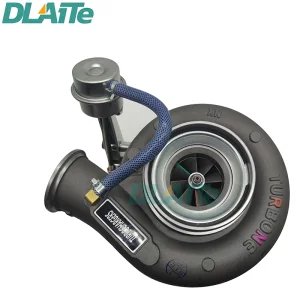
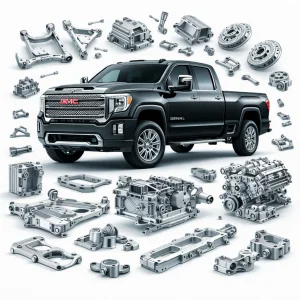
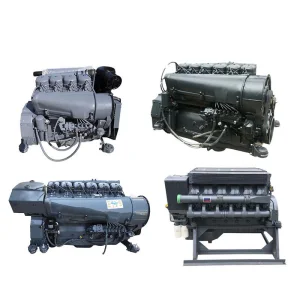
An authoritative analysis of precision engineering, material science, and global supply chain integrations.
"The survival of engine components under operating conditions exceeding 1,000°C and cyclic mechanical stresses depends strictly on the structural integrity of the casting, alloy composition, and microscopic tolerance alignment down to 0.005mm."
Strategic logistical advantages, industrial cluster consolidation, and advanced manufacturing infrastructure.
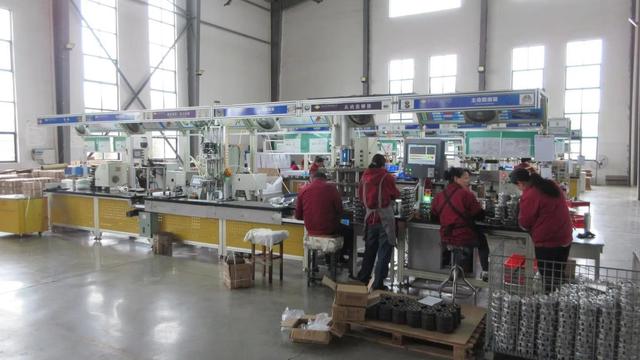
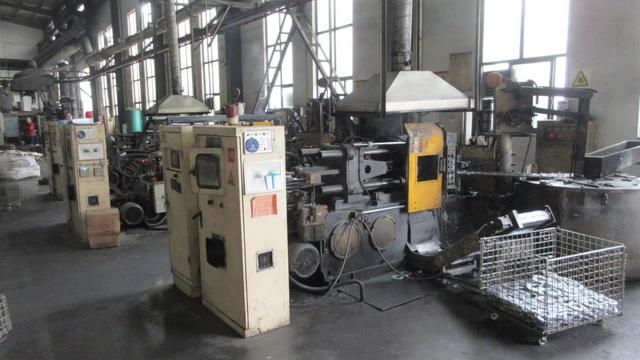
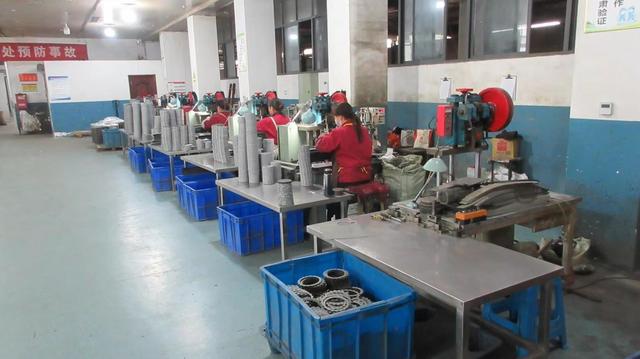
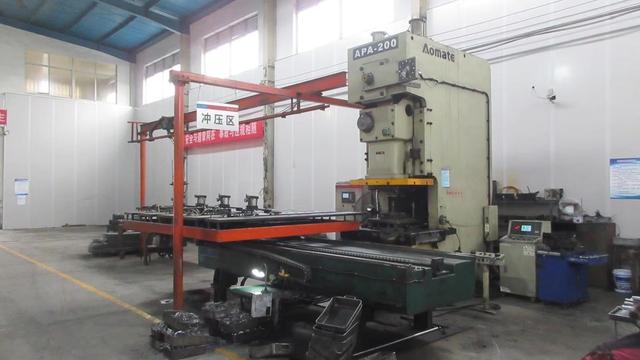
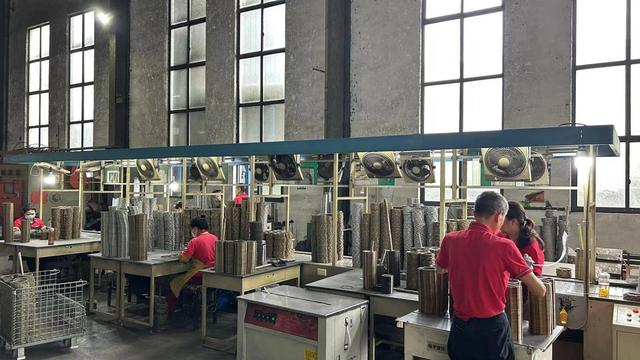
China's manufacturing prowess is built on deep supply chain ecosystems. From raw steel foundries to high-precision CNC finish-machining shops and heat treatment facilities, the entire production pipeline is co-located in key industrial hubs like Guangdong and Zhejiang, minimizing lead times and logistics friction.
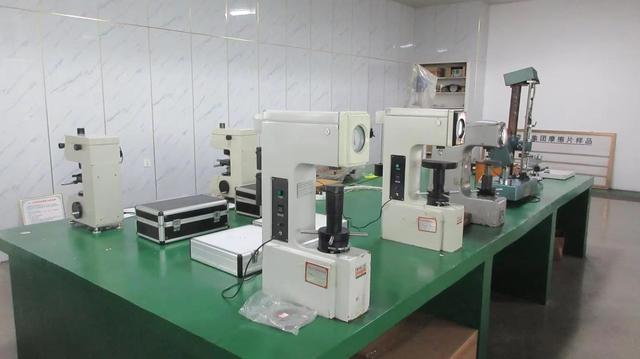
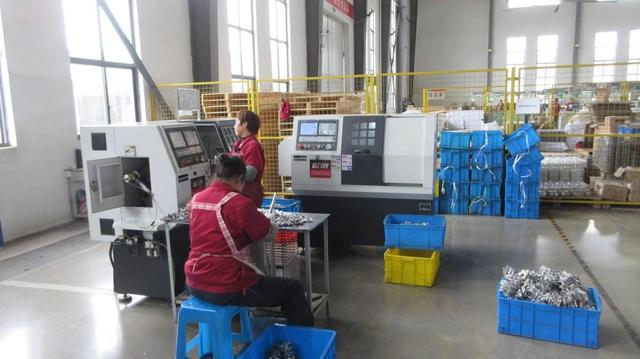
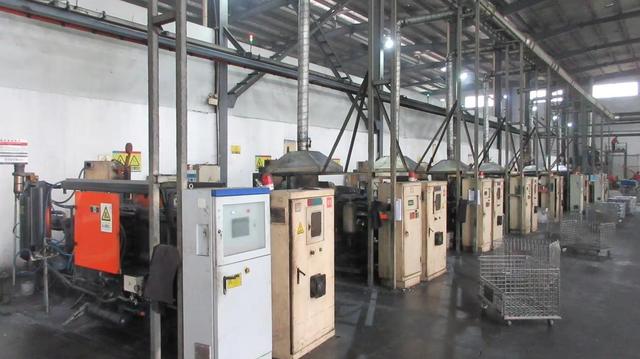
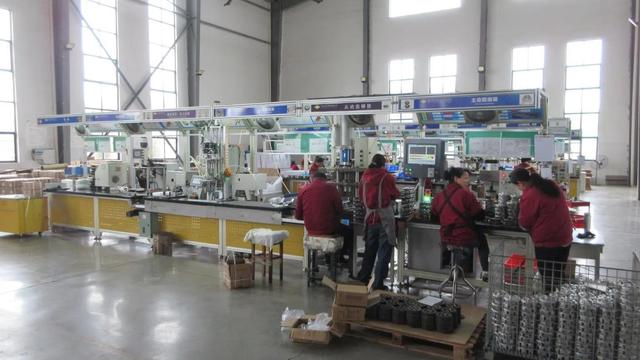
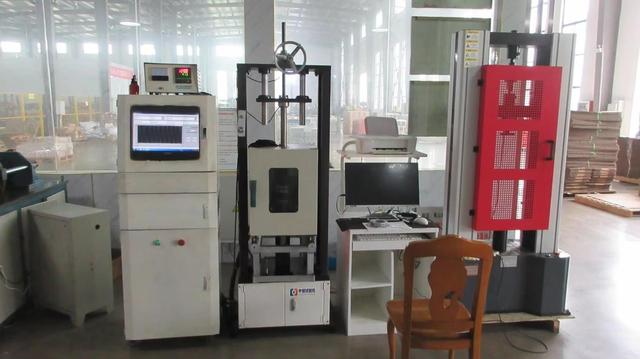
By integrating IoT-enabled robotic casting systems, automated machining centers, and coordinates measuring machines (CMM), Chinese factories guarantee repeatability and quality standards that comply with international IATF 16949 systems.
Through optimized economies of scale, long-term relationships with material suppliers, and highly refined energy management structures, Chinese manufacturers offer competitive price-to-quality ratios, making heavy capital-investment projects highly viable.
Data-driven performance indicators demonstrating our rigorous standards of production reliability.
A Premier Auto Parts Manufacturer & Global Systems Partner

How carbon neutrality, lightweight structures, and digital twin technology shape the future of manufacturing.
Developing lighter pistons, connecting rods, and brackets using magnesium-aluminum composites and high-strength micro-alloyed steels to decrease reciprocal mass inertia and elevate overall RPM responsiveness.
Using ceramic-based plasma spray coatings on pistons and cylinder crowns to reduce thermal loss through the cylinder block walls, improving thermal efficiency beyond 45% targets.
Deploying cloud-linked metrology tools that scan casting configurations in real-time, matching structural physical output with its corresponding 3D digital CAD model to catch dimensional errors instantly.
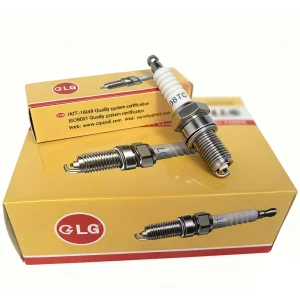
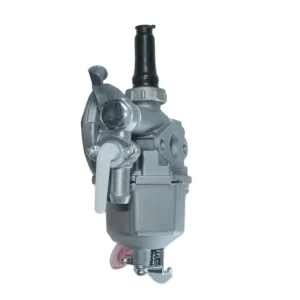
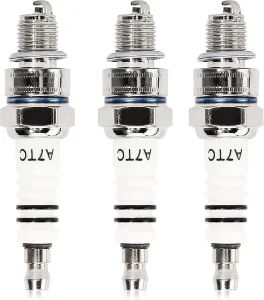
Adapting fuel system elements like carburetors, fuel injection pumps, and spark plugs with specialized elastomers and coatings to resist the corrosive behaviors of modern clean e-fuels.
Optimized solutions across marine propulsion, construction machinery, and small engine applications.
Key protocols to evaluate quality control, verify material testing, and mitigate supply chain disruptions.
Every production run must be accompanied by certified Mill Test Reports (MTR) detailing exact alloy constituents, conforming to ASTM, DIN, or JIS designations. This prevents substandard recycled scrap metal from entering critical component paths.
For custom CNC parts and die-casting services, manufacturers must execute the Advanced Product Quality Planning (APQP) framework and provide Level 3 Production Part Approval Process (PPAP) documentation prior to mass production.
Utilizing automated packaging protocols, anti-rust VCI film wraps, and custom structural pallets protects high-precision machined faces from moisture corrosion and mechanical impact during transoceanic shipping.
Clear, technical insights to help engineers and procurement specialists make informed decisions.
Our CNC machining centers routinely achieve tolerances of ±0.005mm on critical matching configurations. These tolerances are validated using coordinate measuring machines (CMM) calibrated to standard laboratory temperatures, preventing thermal expansion from skewing dimension measurements.
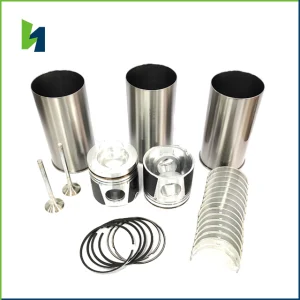
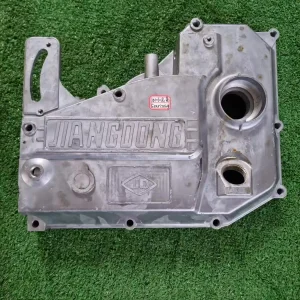
Replacement engine parts are cross-referenced using unique OEM part numbers (e.g., Cummins, Deutz, Weichai catalogs). Dimensions, material composition, and hardness profiles are measured to match or exceed the original manufacturer specifications, ensuring drop-in replacement compatibility.
All heavy-duty parts conform to IATF 16949 quality management protocols. Marine components are manufactured to meet shipping classification requirements (such as CCS, DNV, and ABS) regarding casting integrity, corrosion resistance, and low temperature impact strength.
Machined steel and cast-iron components undergo a multi-step rust-prevention process. We apply a light layer of rust-inhibiting oil, vacuum-seal the components in heavy-gauge VCI (Volatile Corrosion Inhibitor) plastic bags, and pack them in reinforced wooden crates to withstand marine transport environments.
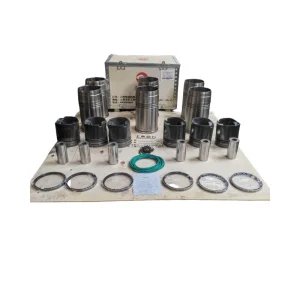
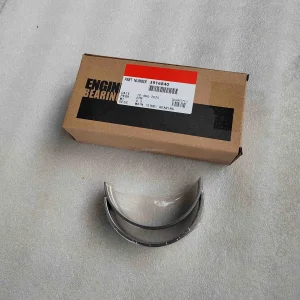
Broad-spectrum marine hardware, OEM bearings, carburetor systems, and spark plug components.
 Yihe Auto