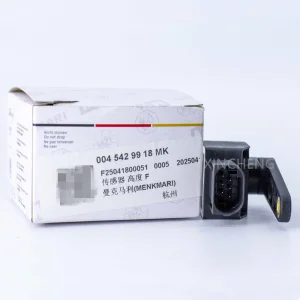
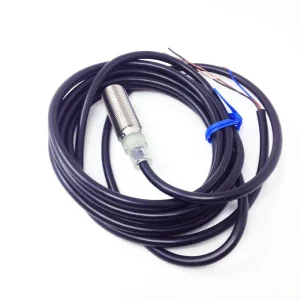
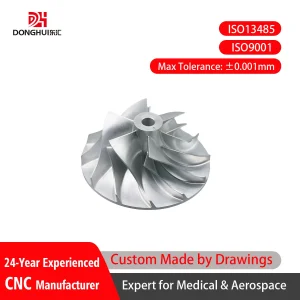
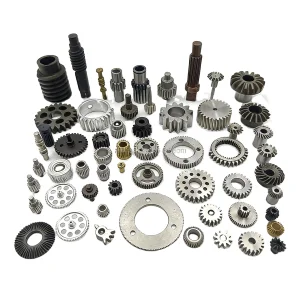
Explore our top-tier precision-machined elements, transmission valves, heavy-duty truck suspension assemblies, and vehicle sensors engineered for rigorous performance limits.
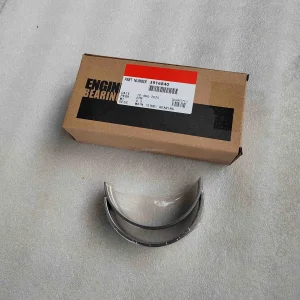
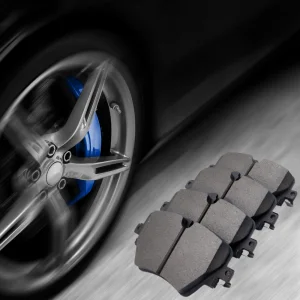
Guangzhou Yihe Auto Co., Ltd. is a professional Auto Parts Manufacturer | Engine Components, Suspension Parts & Automotive Systems dedicated to providing high-quality automotive components and customized manufacturing solutions for global vehicle manufacturers, distributors, wholesalers, and aftermarket suppliers. With years of deep-seated industry experience, the company serves a wide range of automotive sectors, including passenger vehicles, commercial heavy trucks, electric vehicles (EVs), and heavy-duty industrial transportation equipment.
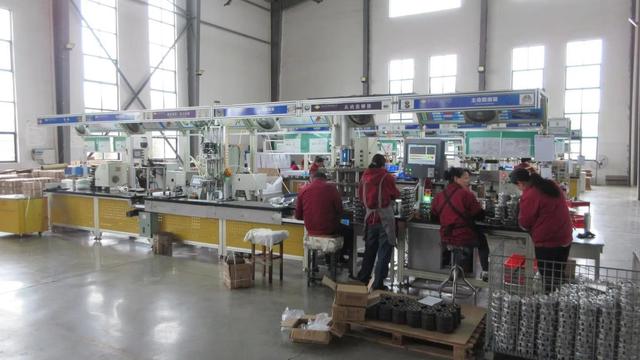
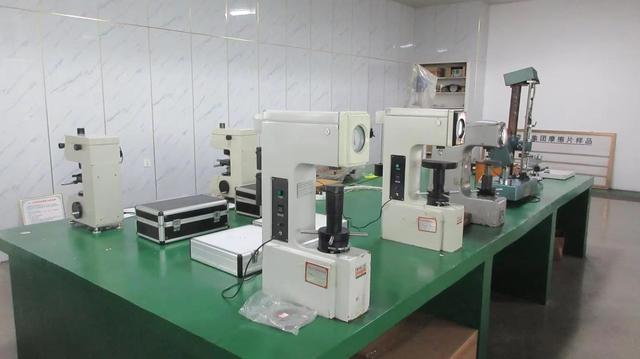
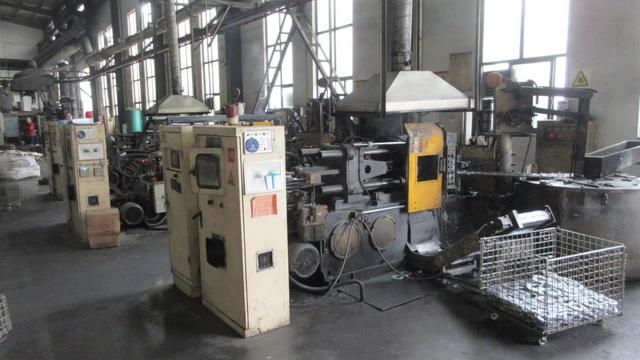
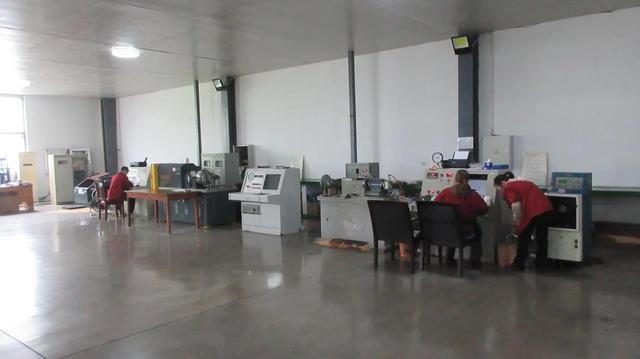
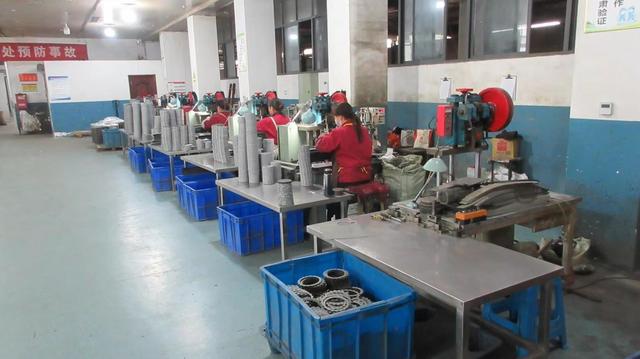
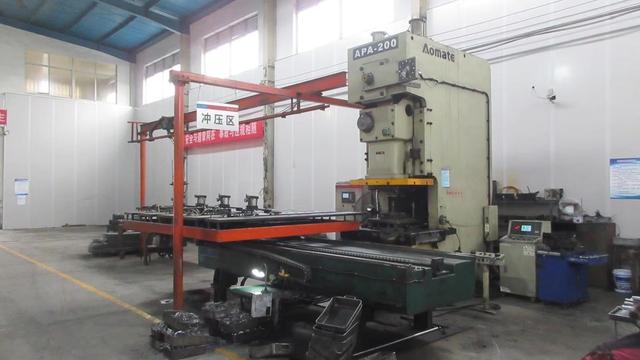
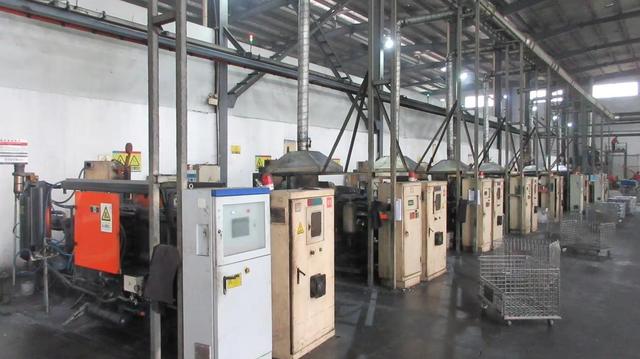
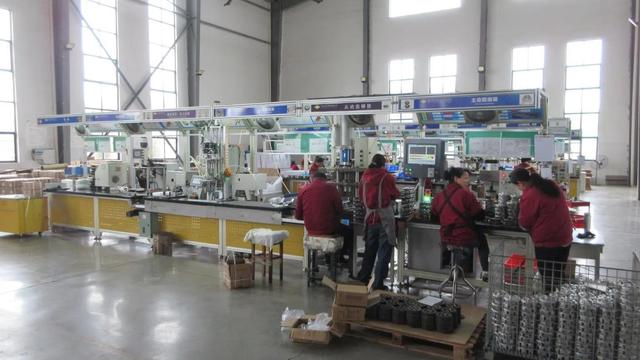
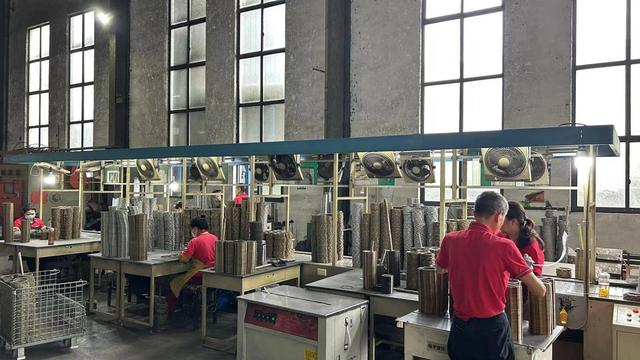
Located in the automotive manufacturing hub of Guangzhou, China, Yihe Auto operates state-of-the-art production facilities equipped with high-precision machining centers, automated assembly lines, and comprehensive metrology and quality inspection suites. We specialize in the end-to-end development, engineering, and manufacturing of critical engine components, steering and suspension assemblies, brake systems, transmissions, automotive electrical wiring setups, and tailored performance upgrades.
Quality, structural precision, and operation safety form the core foundation of our industrial workflow. Yihe Auto implements stringent quality control procedures throughout every manufacturing phase—ranging from raw material sourcing and spectral chemical verification to multi-axis CNC machining, thermal tempering, and final operational load testing. By utilizing high-grade structural alloys, precision molds, and micro-metric tolerances, we ensure all components meet or exceed ISO 9001 and IATF 16949 standards for durability and safety.
In addition to volume production of cataloged chassis and engine elements, Yihe Auto delivers flexible and robust OEM/ODM engineering services designed to meet specific engineering intent. Our dedicated technical staff works in direct coordination with overseas procurement and R&D teams to conceptualize, prototype, and manufacture custom parts that integrate seamlessly into new or existing vehicular architectures.
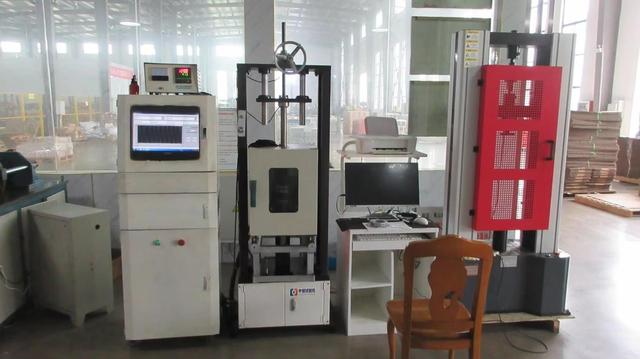
An analytical breakdown of key shifts in global procurement, vehicle weight-reduction targets, and material choices within tier-1 logistics chains.
The global automotive supply chain is undergoing structural changes driven by the rapid transition to electric powertrains, the integration of autonomous drive sensors, and the imperative for fuel efficiency in conventional internal combustion engines (ICE). For Tier-1 buyers and procurement managers, this evolution shifts the definition of a reliable chassis and engine components vendor from a basic casting foundry to an advanced co-development partner capable of delivering high precision, light-weighting solutions, and verified E-E-A-T reliability.
In North American and European markets, strict regulations regarding carbon emissions and fleet efficiency indices require chassis elements (such as control arms, subframes, steering knuckles, and suspension mounts) to undergo massive weight-reduction initiatives. This weight reduction is achieved through high-strength-to-weight structural materials, including 6061-T6 aluminum alloys and high-yield carbon steels. However, substituting materials requires rigorous production controls. Lower density alloys are prone to casting voids, micro-fissures, and rapid tool wear during machining. Securing a supplier that integrates automated sensor loops and coordinate inspection metrics directly into the production floor is essential for maintaining product safety.
"Procurement officers must prioritize suppliers who bridge the gap between traditional mechanical durability and modern sensor integration. The modern chassis is no longer merely structural; it is an active feedback loop powered by height, angle, and wheel speed metrics."
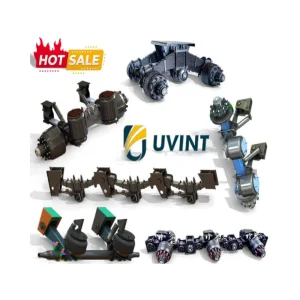
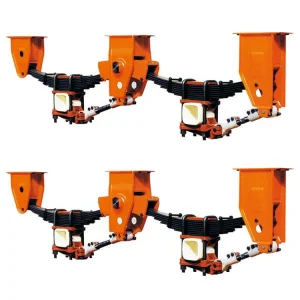
Concurrently, the heavy-duty commercial transportation sector demands maximum lifecycle uptime. Trailer and semi-truck suspensions, such as the American Type Mechanical Suspension series, are subject to high physical stress, corrosive environment exposure, and payload fluctuations. Sourcing suspension axles and leaf springs requires structural steels processed through advanced heat treatment (such as isothermal quenching and tempering) to maximize fatigue resistance and prevent catastrophical failures under heavy load. A failure rate as low as 0.1% can lead to operational downtime, expensive vehicle recalls, and liability costs, making rigorous testing protocols a critical procurement selection criterion.
| Component Group | Material Specifications | Critical Test Metric | Common Localized Applications |
|---|---|---|---|
| CNC Performance Parts | Aluminum Alloy 6061-T6, Alum-7075, SUS304 | Tensile Yield & Dimensional Tolerance (±0.005mm) | EV Powertrain Mounts, Performance Chassis Connectors |
| Heavy Duty Trailer Suspensions | Q345B High-Strength Structural Steel, Cast Steel | Cyclic Fatigue Life & Salt Spray Resistance (500h+) | Semi-Truck Axles, Multi-Axle Lowbed Commercial Trailers |
| Braking Components | Semi-Metallic, Low-Steel, Ceramic Formulations | Thermal Shear Strength & Decibel Noise Rating (<60dB) | Passenger Cars, Logistics Fleet Last-Mile Vans |
| Sensory & Electronic Nodes | PBT Glass Fiber-Reinforced Plastic, Brass Terminals | Ingress Protection Rating (IP67/IP69K) & Signal Fidelity | Mercedes Benz / VW Active Air Suspension Height Control |
Leveraging automated tooling, predictive quality metrics, and integrated vertical supply ecosystems to insulate overseas buyers from logistics disruptions.
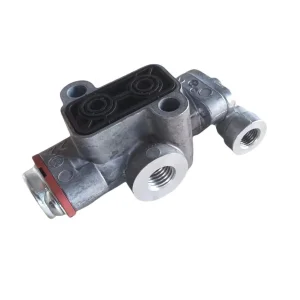
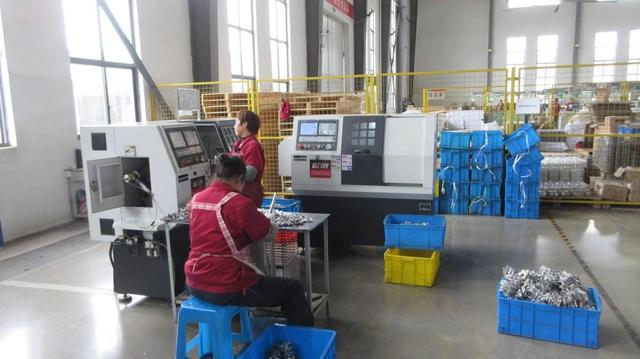
Guangzhou Yihe Auto Co., Ltd. uses a digital production execution model to optimize machining workflows. Our machining floor integrates multi-axis CNC machines and automated loading arms. This system reduces operator setup errors, maintains strict tool paths, and achieves tight tolerances for complex chassis and transmission components, such as double spur gears and gearbox valves.
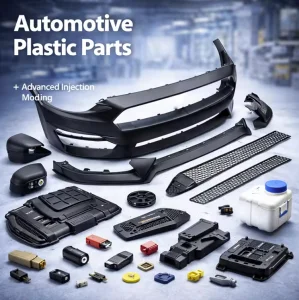
By using integrated CAD/CAM software, design files are converted into toolpaths. The system also monitors tool wear in real-time, helping prevent dimensional drift. For custom prototyping, we use high-speed additive manufacturing (3D printing) to produce bumper molds and body components. This allows clients to complete physical trial fittings in days rather than weeks, shortening overall development cycles.
A key advantage of our China-based production hub is the vertical integration of the local supply chain. The proximity to raw steel mills, specialized aluminum refineries, heat treatment facilities, and surface plating providers allows us to minimize transportation delays and keep material costs stable.
From initial billet arrival to final surface finishing (such as electrophoresis, black oxide, or hard anodization), every production stage occurs within a closely monitored logistics loop. This vertical integration protects overseas buyers from supply disruptions and raw material shortages, ensuring consistent production schedules and reliable lead times.
Real-time wear monitoring and coordinate adjustment loops maintain part dimensions within tight limits.
Components undergo automated ultrasonic inspection and coordinate measuring checks before final shipping.
Integrated enterprise resource planning coordinates production with raw material delivery to keep lead times reliable.
From line-haul logistics and remote construction sites to high-speed passenger vehicles, chassis components must meet specific local conditions.
1. Overland Heavy Haulage & Port Logistics: Commercial semi-trucks operating in desert heat or sub-zero climates require robust suspension components. High-stress elements like the American Type Mechanical Suspension must resist dust ingress and salt-induced rust. Our chassis components undergo high-duration fatigue testing and multi-stage electrophoretic coating to ensure durability in harsh conditions.
2. High-Precision Passenger Vehicles & EV Subsystems: Passenger vehicles and EVs require low NVH (Noise, Vibration, and Harshness) profiles. Motor torque profiles put stress on gears and mounts. Our CNC-machined components, such as custom double spur gears and 6061 alloy mounts, are engineered to minimize vibration, maintaining cabin comfort.
3. Advanced Electronic Suspension & Smart Chassis: Smart chassis systems rely on sensor feedback. Sensors, like headlight and height-level sensors, track road inputs and adjust suspension setups. Our manufacturing process ensures that wiring harnesses and sensor housings are sealed against moisture and vibration, supporting reliable electrical performance.
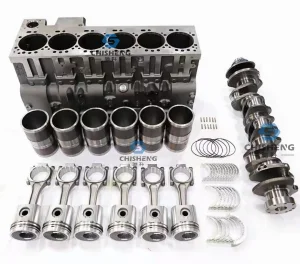
4. Heavy Engine & Transmission Overhauls: Rebuilding diesel engines and manual gearboxes requires components that match original equipment specifications. Our line of engine overhaul kits, crankshaft bearings, and precision-engineered transmission valves are designed to restore standard oil pressure, compression, and shift behavior in worn engines.
Discover our comprehensive collection of automotive electronics, structural components, wiring harnesses, and custom CNC alloy designs.
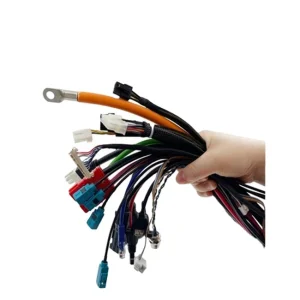

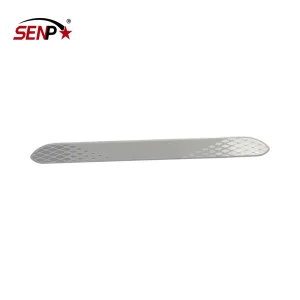
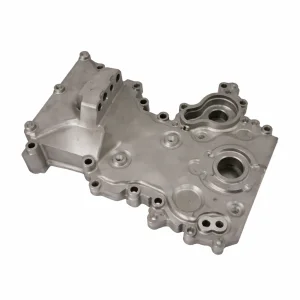
Technical answers to key issues facing procurement, engineering, and logistics teams when sourcing chassis and powertrain components from China.
 Yihe Auto