The global automotive glass industry is undergoing an unprecedented technological revolution. Once viewed as simple transparent shields to protect occupants from wind and debris, modern windshields are now critical structural and technological components. They must accommodate Advanced Driver Assistance Systems (ADAS), withstand extreme environmental conditions, contribute to the aerodynamic efficiency of modern vehicles, and ensure passenger safety during rollover events.
For B2B buyers, fleet managers, and automotive wholesalers, establishing direct procurement pipelines with top-tier China wholesale windshields factories and suppliers is no longer just a cost-reduction exercise. It is a strategic requirement to secure advanced, certified, and high-performance safety glass that meets stringent international standards, including IATF 16949, DOT (US Department of Transportation), ECE R43 (Europe), and CCC (China Compulsory Certification).
China is home to some of the world's most sophisticated glass processing lines. Leveraging vast raw material reserves, advanced automated fabrication plants, and comprehensive regional supply chain ecosystems, Chinese manufacturers provide unmatched economies of scale alongside high-precision custom fabrication capabilities. This guide explores the depths of automotive glass technology, factory engineering capabilities, key industry trends, and the strategic advantages of Chinese manufacturing hubs.
Understanding the exact materials and engineering specifications of safety glass is vital for verifying product performance. Standard passenger vehicle windshields utilize a laminated structure. This composite material sandwich comprises two sheets of high-grade float glass bonded together under heat and pressure by a specialized thermoplastic interlayer, typically Polyvinyl Butyral (PVB) or Ethylene Vinyl Acetate (EVA).
Sourcing windshields and cab glass from China provides key advantages across several metrics:
China's automotive glass ecosystem includes immediate proximity to raw float glass manufacturers, high-grade PVB chemical processing facilities, specialized ceramic ink suppliers, and precision mounting-hardware factories. This close geographical distribution cuts down logistics lead times for custom components and provides protection against global raw material price swings.
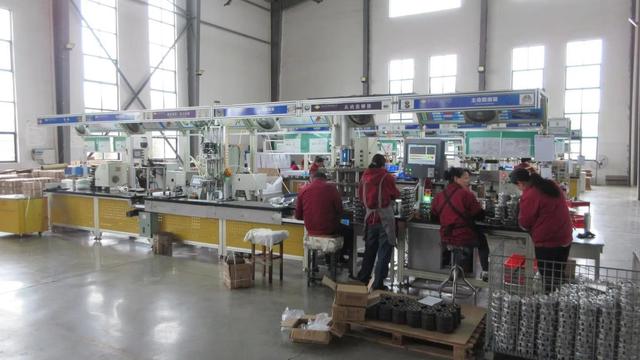
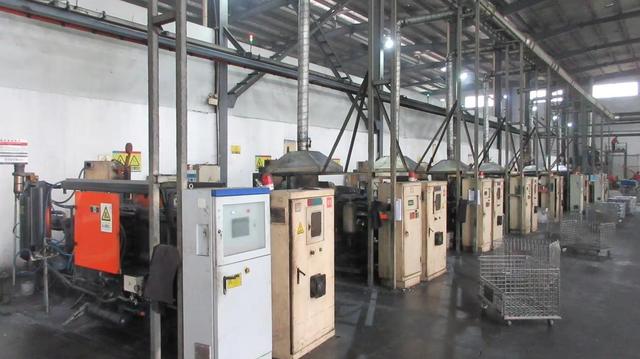
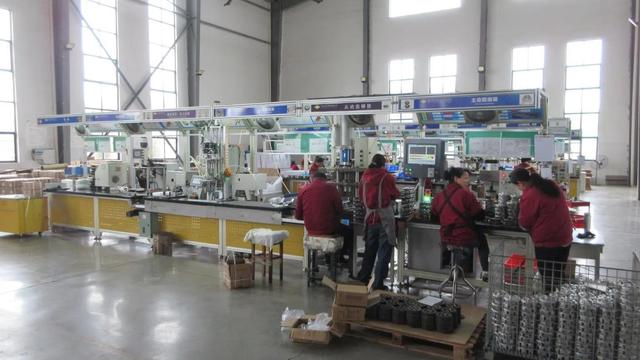
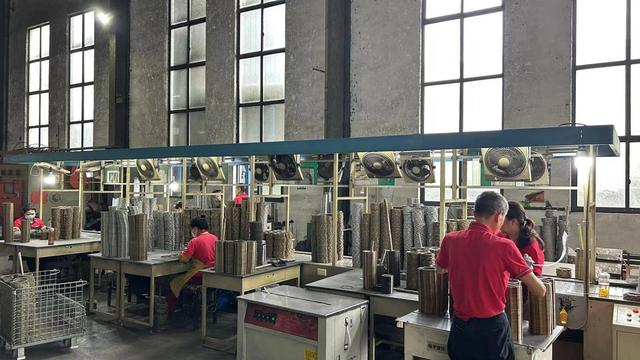
Modern Chinese factories utilize high-end automated machinery to ensure repeatability. This includes:
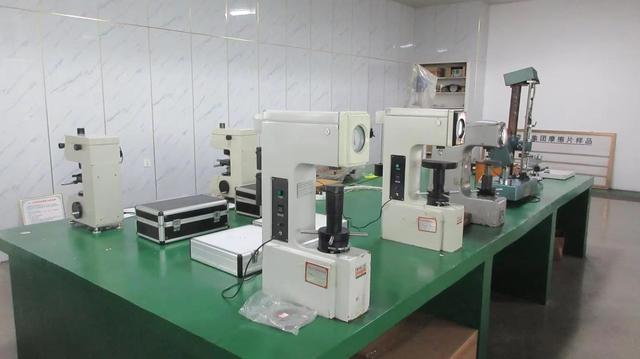
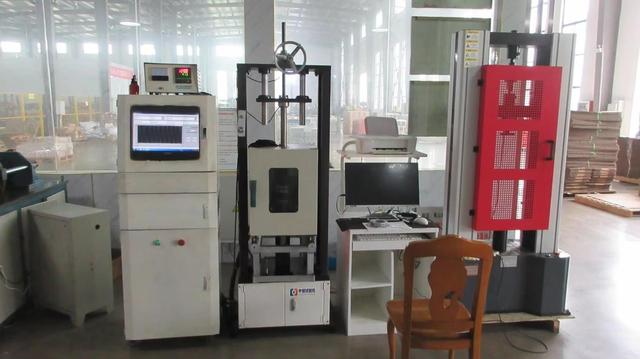
Leading Chinese exporters do not just run tests to meet minimal certification standards. They perform simulated climate aging tests, cyclic humidity tests, and high-altitude radiation exposure testing to guarantee that the laminated glass will not degrade in harsh regions like Northern Europe or Middle Eastern deserts.
The global shift towards smart mobility is transforming the requirements for wholesale windshield sourcing:
Modern windshields house forward-facing cameras, lidar arrays, and rain sensors. Sourcing modern windshields requires high-precision bracket pre-installation. If a windshield's glass curve deviates by even a fraction of a millimeter, the optical path of the ADAS camera can be distorted, causing lane departure warnings and emergency braking systems to fail. Top-tier Chinese suppliers offer pre-assembled brackets aligned with CMM (Coordinate Measuring Machine) verification.
Advanced vehicles project speed, navigation, and driver alerts directly onto the windshield. Without a specialized wedge-shaped PVB interlayer, projecting onto glass causes a double image ("ghosting"). Chinese manufacturers now offer wedge PVB laminated windshields specifically designed to support HUD applications for both luxury vehicles and mid-market cars.
To maximize battery range, electric vehicle manufacturers seek weight reductions across all components. Traditional windshields are 4.5mm to 5.0mm thick. Leading Chinese suppliers are producing lightweight windshields utilizing chemically strengthened thin glass (e.g., 1.6mm outer / 1.1mm inner glass layers) that reduce weight by up to 30% without sacrificing impact resistance.
The demand for laminated and tempered glass extends beyond standard passenger vehicles. The industrial, agricultural, and mining sectors require highly durable, high-impact glass solutions designed to protect operators in hostile working environments.
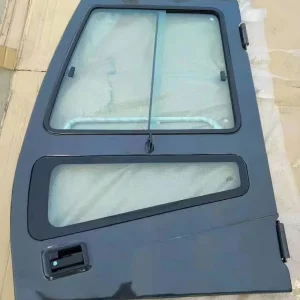
For example, modern construction excavators, dump trucks, and heavy-duty logistics machinery rely on specialized cab door glass and cab window assemblies. These glass panels must resist heavy vibrations, structural stress, and extreme impacts. Chinese factories produce customized cab glass with reinforced frames and explosion-proof laminated compositions. These components integrate with vehicle bodies, ensuring sound dampening, dust protection, and structural safety during heavy operations.
By sourcing from factories that understand both light passenger vehicle requirements and heavy-duty industrial machinery parameters, distributors can consolidate their logistics pipelines, acquiring diverse automotive parts and structural glass under single procurement agreements.
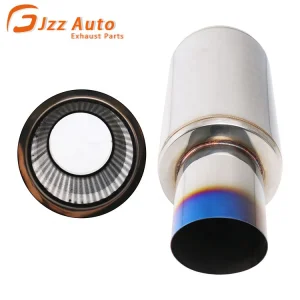
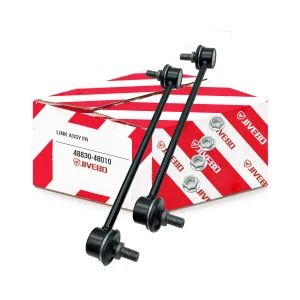
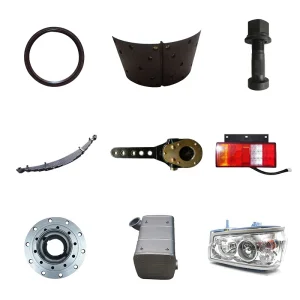
Guangzhou Yihe Auto Co., Ltd. is a professional Auto Parts Manufacturer | Engine Components, Suspension Parts & Automotive Systems dedicated to providing high-quality automotive components and customized manufacturing solutions for global vehicle manufacturers, distributors, wholesalers, and aftermarket suppliers. With years of industry experience, the company serves a wide range of automotive sectors, including passenger vehicles, commercial trucks, electric vehicles, and industrial transportation equipment.
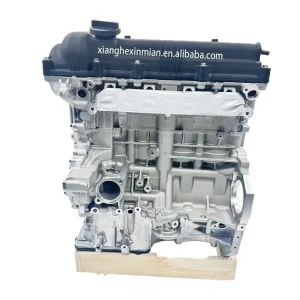
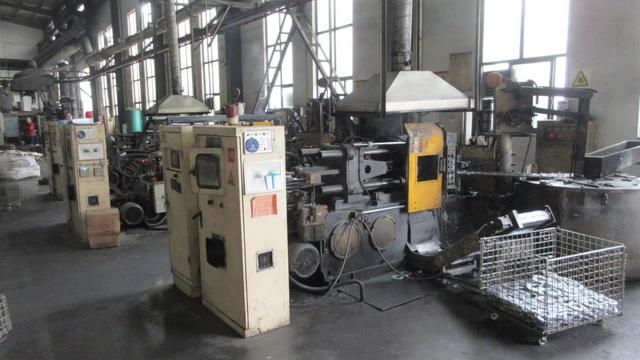
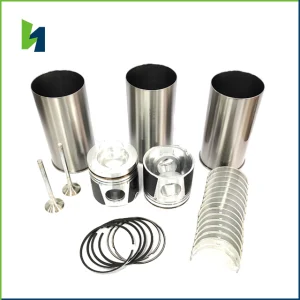
Located in Guangzhou, China, Yihe Auto operates modern production facilities equipped with advanced machining equipment, automated manufacturing lines, and comprehensive quality inspection systems. The company specializes in the development and production of engine components, suspension parts, steering system components, brake system parts, transmission components, chassis parts, automotive electrical systems, cooling system components, and various custom-engineered automotive solutions.
Quality, precision, and reliability are the foundation of the company's operations. Yihe Auto implements strict quality control procedures throughout every stage of production, from raw material sourcing and precision machining to assembly and final inspection. By utilizing advanced manufacturing technologies and high-performance materials, the company ensures that its products meet demanding industry standards for durability, safety, and long-term performance.
In addition to standard product manufacturing, Yihe Auto offers flexible OEM and ODM services tailored to customer requirements. The company's engineering and technical teams work closely with clients to develop customized automotive components that meet specific vehicle applications and market demands. From product design and prototyping to mass production and logistics support, Yihe Auto provides comprehensive manufacturing solutions under one roof.
Serving customers across North America, Europe, Southeast Asia, the Middle East, South America, and Africa, Guangzhou Yihe Auto Co., Ltd. has built a reputation for dependable quality, competitive pricing, and responsive customer service. The company remains committed to innovation, operational excellence, and long-term partnerships, helping customers achieve success in the rapidly evolving global automotive industry.
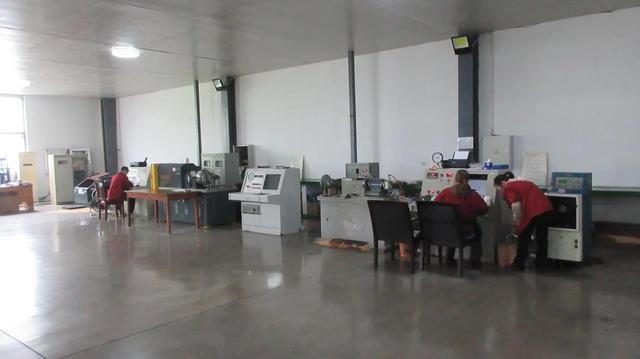
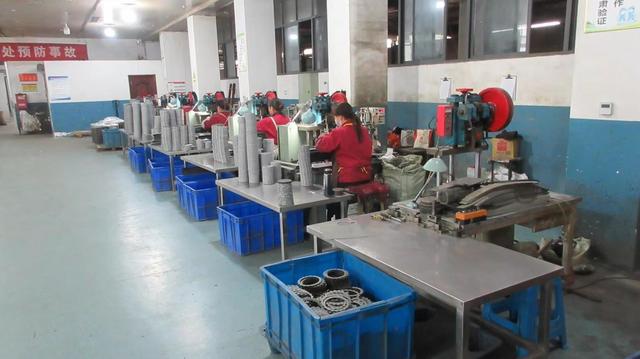
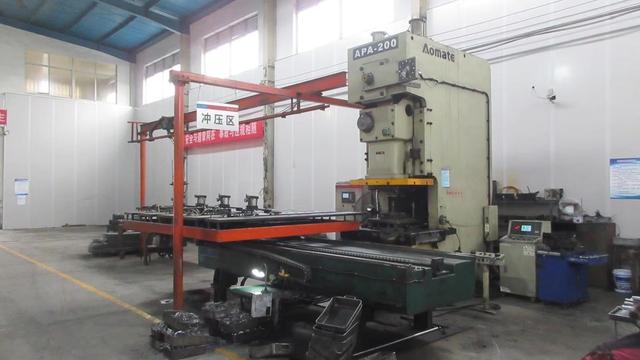
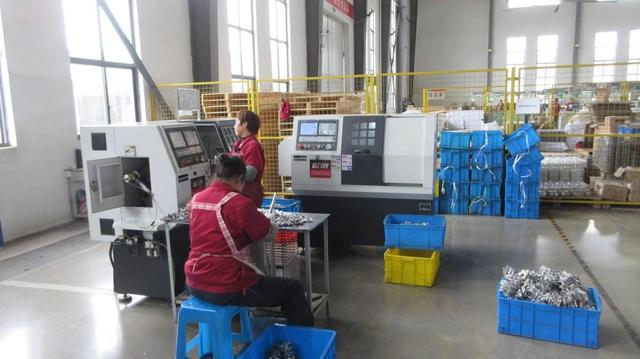
Successfully managing the logistics of glass and heavy automotive components requires strict quality procedures and packing protocols. Importers should prioritize suppliers that address the following core areas:
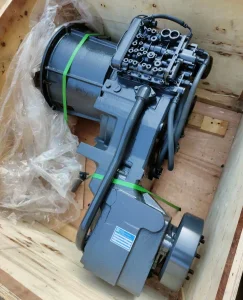
Automotive glass is highly fragile and heavy. Industrial shipments must utilize custom-built, heavy-duty wooden crates made from fumigated or heat-treated timber. The crates should hold the glass panels upright, utilizing high-density rubber or cork separators between each panel to prevent face-to-face friction. Additionally, moisture-absorbent silica gel bags must be enclosed in waterproof plastic wrap to prevent laminated edge moisture degradation during weeks-long ocean transits.
Before confirming purchase orders, verify that the factory's markings on the glass (monograms) match your destination market's regulatory frameworks:
 Yihe Auto