In the modern automotive and industrial ecosystems, the alternator is no longer simply a secondary power generation component. As vehicles shift from purely mechanical operations to highly computerized environments, the electrical loads placed on contemporary systems have increased exponentially. From advanced driver-assistance systems (ADAS) and complex engine management systems to continuous telematics and climate control arrays in commercial logistics, alternators function as the foundational pillar of electrical grid integrity.
For Original Equipment Manufacturers (OEMs) and Global Tier-1 Suppliers, securing alternators that match exact vehicle footprints and load profiles is paramount. Off-the-shelf components often fail to satisfy the complex thermal limitations and variable torque interfaces inherent in custom diesel engines or heavy-duty machinery. Consequently, precision OEM customization—incorporating localized housing configurations, specific pulley profiles, and tailored electronic communication channels—stands as the definitive path to system-wide optimization.
Ensuring ultra-stable voltage profiles to preserve sensitive ADAS sensors, electronic control units (ECUs), and vehicle telematics from transient surges.
Engineered dynamic airflow cooling paths, heat dissipation fins, and temperature-rated components certified up to 125°C operational limits.
Optimized stator configurations and low-friction rotors designed to minimize mechanical resistance, assisting in global carbon emission mitigation.
The global industrial landscape is experiencing a structural realignment driven by stringent emission standards (Euro VI, EPA Tier 4, and China VI) and the accelerated electrification of auxiliary components. Consequently, modern heavy-duty commercial fleets, transport refrigeration systems, defense applications, and emergency services require specialized alternator topologies that deliver high efficiency at low RPM.
Statistically, high-efficiency alternators with smart interfaces (supporting LIN-bus or BSS protocols) represent the fastest-growing subsegment in vehicle electrical architectures. By dynamically adjusting voltage settings based on real-time vehicle battery state-of-health and fuel efficiency models, these systems reduce alternator parasitic losses, generating up to 2% fuel savings over standard duty cycles.
Guangzhou Yihe Auto Co., Ltd. is a professional Auto Parts Manufacturer and a trusted Tier-1 supplier dedicated to providing high-quality automotive components and customized manufacturing solutions for global vehicle manufacturers, distributors, wholesalers, and aftermarket suppliers. With years of industry experience, the company serves a wide range of automotive sectors, including passenger vehicles, commercial trucks, electric vehicles, and industrial transportation equipment.
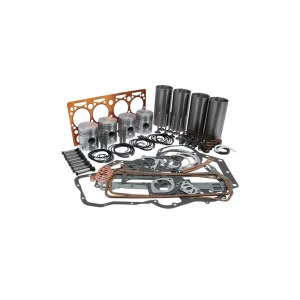
Located in Guangzhou, China, Yihe Auto operates modern production facilities equipped with advanced machining equipment, automated manufacturing lines, and comprehensive quality inspection systems. The company specializes in the development and production of engine components, steering system components, suspension parts, brake system parts, chassis parts, and specialized automotive electrical systems, including custom OEM alternators.
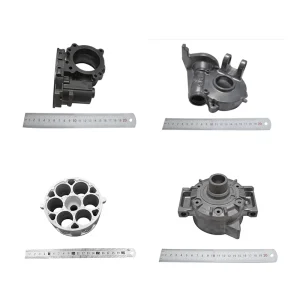
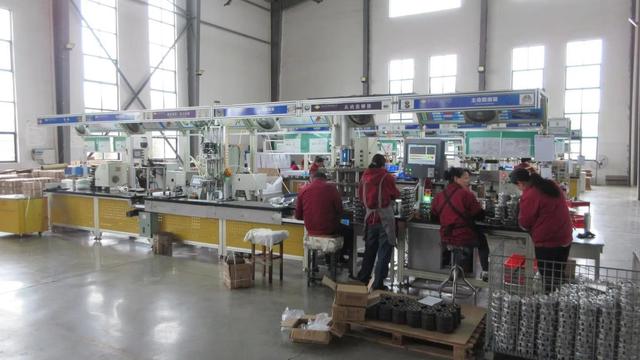
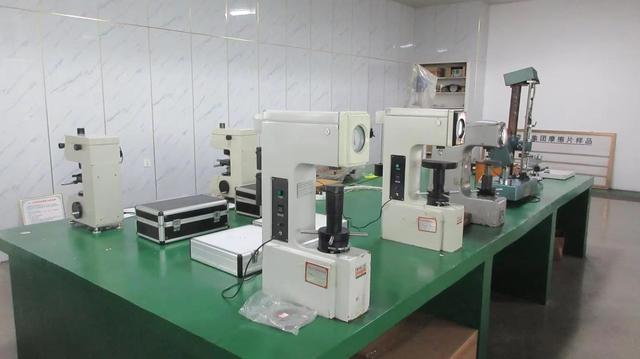
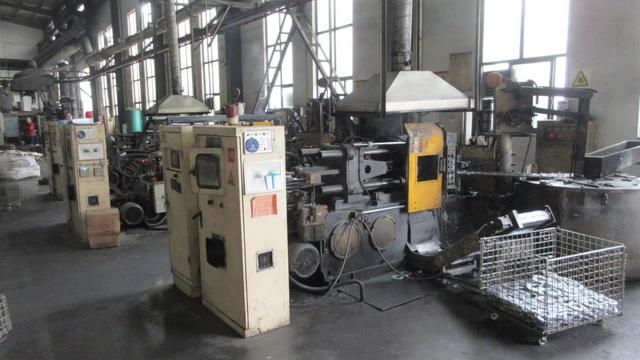
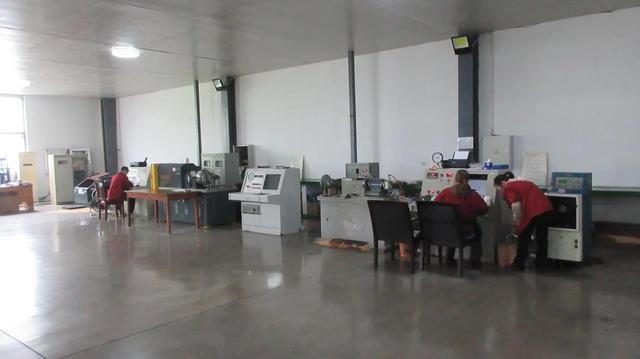
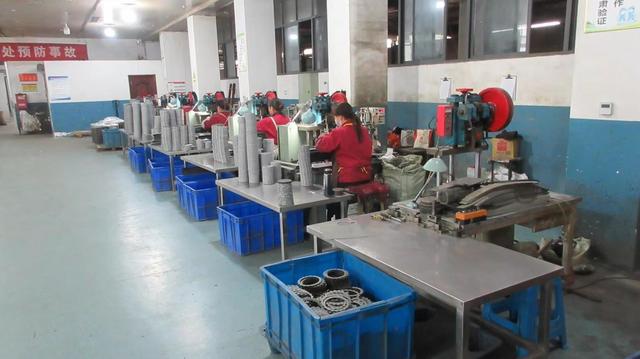
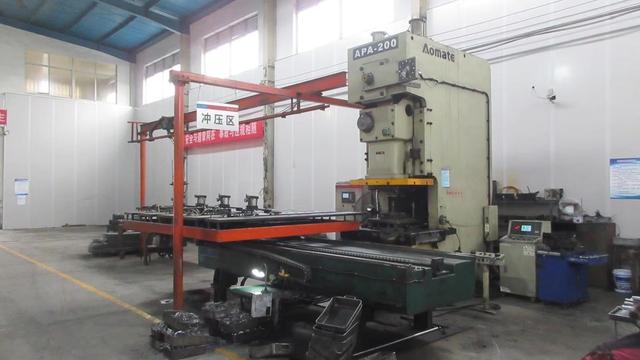
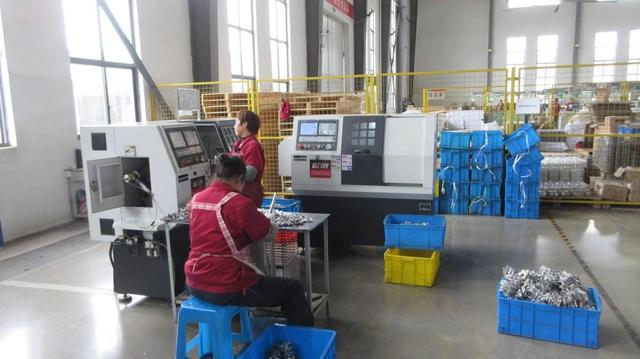
Our dynamic production ecosystem leverages state-of-the-art aluminum die-casting machines, precise robotic armature winding systems, and automated balancing testing machinery to guarantee robust mechanical reliability under high vibrations. The following images highlight our advanced engineering facilities, precision machining processes, and systematic testing lines:
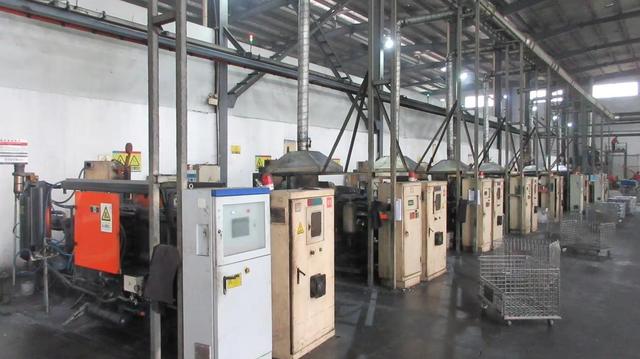
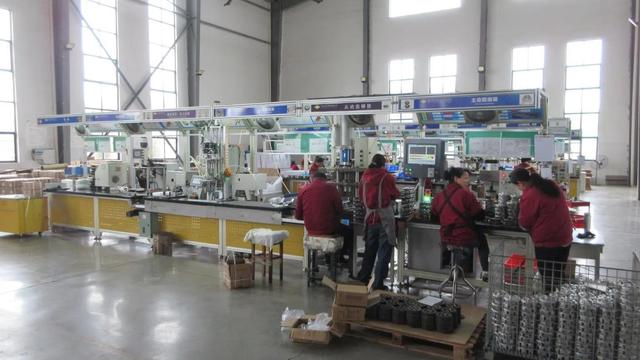
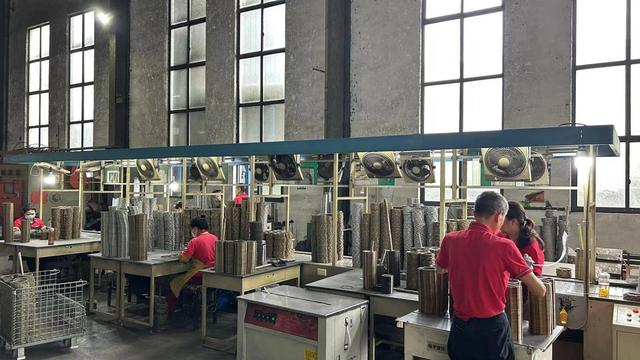
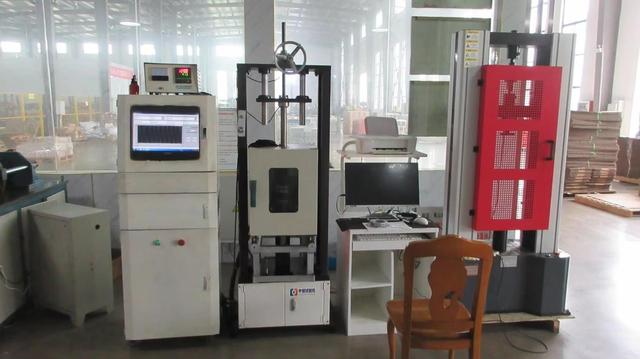
By utilizing advanced manufacturing technologies and high-performance raw materials, Guangzhou Yihe Auto Co., Ltd. ensures that its products meet demanding industry standards for durability, safety, and long-term performance. In addition to standard product manufacturing, we offer flexible OEM and ODM services tailored to customer requirements. Our engineering and technical teams work closely with clients to develop customized automotive components that meet specific vehicle applications and market demands. From product design and prototyping to mass production and logistics support, Yihe Auto provides comprehensive manufacturing solutions under one roof.
When engineering high-efficiency alternators, customization options extend across several distinct functional layers:
We provide both standard round-wire wound stators and advanced **Hairpin Winding Technology**. Hairpin stators increase the copper fill factor from roughly 45% to over 70%, which significantly decreases internal electrical resistance. This design permits higher power density, allowing us to supply smaller, lighter alternators that produce identical or superior power outputs compared to bulky traditional designs.
Modern vehicles require a system where the engine control unit (ECU) dynamically manages alternator output to reduce load during vehicle acceleration and maximize charging during deceleration. Our custom solutions offer:
The mechanical longevity of an alternator is defined by its bearings. Guangzhou Yihe Auto utilizes premium double-sealed bearings with specialized high-temperature synthetic grease. This reduces friction loss, controls heat buildup, and guarantees smooth operation under radial pulley belt tension up to 20,000 RPM.
Guangzhou Yihe Auto Co., Ltd. serves clients across North America, Europe, Southeast Asia, the Middle East, South America, and Africa. To ensure frictionless market access, we build regulatory compliance and market-specific expectations directly into our development cycle.
Our quality management system is structured around IATF 16949—the highest quality standard in the global automotive industry. This framework governs every phase of production, from raw material inspection (spectrographic testing of aluminum ingots) to sub-assembly testing (stator insulation checks and rotor balance audits).
Every alternator manufactured in our facility undergoes 100% automated end-of-line verification on specialized test benches. These testers map the alternator's performance curves (amperage vs. RPM), verify regulator response times, and measure ripple current to confirm the rectifier diodes function flawlessly before the unit is packed and shipped.
Alternators face drastically different operating challenges depending on where they are deployed globally. Our engineering team designs specific protection packages to address these environments:
In arctic environments, vehicles face high initial glow plug loads and long idle times. Our low-RPM high-output alternators deliver up to 80% of rated amperage at idle speed, ensuring batteries recharge quickly and cabin heating grids stay operational without draining the vehicle's electrical reserves.
Salt spray and high humidity accelerate corrosion on copper wind configurations and rectifiers. We apply specialized epoxy coatings to stator windings and utilize corrosion-resistant, trivalent-passivated coatings on the outer metal housings to prevent premature performance degradation.
Abrasive dust and sand can wear away slip rings and damage internal brushes. For these environments, we engineer brushless alternators. By removing the brushes and slip rings, we eliminate the primary points of wear, resulting in a unit that operates reliably in heavy dust without requiring scheduled maintenance.
Transitioning from traditional 12V/24V systems to 48V mild-hybrid configurations. This configuration allows belt-driven starter generators (BSGs) to support stop-start functionality and capture kinetic energy during braking, redirecting it to the high-voltage battery array.
Integrating predictive thermal algorithms into the regulator microprocessor. This allows the alternator to adjust its output current prior to reaching critical temperatures, protecting internal components and maintaining steady system power.
Replacing traditional silicon diodes with Silicon Carbide (SiC) Schottky barrier diodes. This change reduces heat loss during conversion, boosting overall alternator efficiency to over 95% while keeping the rectifier module compact.
 Yihe Auto