Explore engineered parts aligned with standard-setting operational clearances and extreme fluid compatibility parameters.
In modern tribology and high-efficiency automotive engineering, the choice of engine oil suppliers dictates not only vehicle longevity but also systemic compliance with severe global emissions regulations. As the internal combustion engine (ICE) undergoes extreme down-sizing and turbocharging modifications, and hybrid powertrains introduce complex thermal cycles, the demands placed on fluid dynamics have evolved exponentially.
Historically, base mineral lubricants provided adequate lubrication film thickness under simple hydrodynamic regimes. Today's high-stress, low-clearance architectures demand advanced formulations. Synthetic lubricants, categorized under API Group III (hydroisomerized hydrocracked), Group IV (Polyalphaolefins - PAO), and Group V (Esters and other synthetics) dominate the high-performance spectrum. Identifying the top engine oil suppliers requires analyzing how these basestocks are blended with high-performance additive packages containing advanced shear-stable viscosity index improvers, friction modifiers, and ashless dispersants.
The lubricant sector is undergoing structural disruptions. Procurement officers and technical directors must align with suppliers capable of staying ahead of these critical technological shifts:
Global regulatory bodies (such as the EPA, Euro 7, and China VI) enforce strict limits on CO2 emissions. To minimize parasitic drag and optimize hydrodynamic efficiency, fluid viscosities have plummeted. Formulations such as 0W-20 are now common, with 0W-16 and 0W-8 gaining substantial traction among leading OEMs. Blending these oils requires exceptionally stable Group III and Group IV basestocks to prevent volatile evaporation loss (Noack Volatility) and maintain boundary lubrication safety.
Turbocharged Gasoline Direct Injection (TGDI) engines are prone to LSPI—a catastrophic pre-ignition phenomenon. Modern lubricants meeting API SP or ILSAC GF-6 standards are formulated with specific detergent packages, restricting calcium-based additives and utilizing magnesium compounds to suppress pre-ignition occurrences.
Hybrid powertrains experience unique duty cycles, running colder than pure ICE vehicles and starting abruptly at highway speeds. Lubricants must combat moisture condensation, provide corrosion resistance for active copper components, and deliver stable dielectric properties to safely insulate high-voltage circuitry in integrated e-drivetrains.
When executing bulk procurement matrices, tier-1 industrial companies, fleet logistics operators, and automotive assemblers evaluate suppliers using strict standards. A standard vendor checklist focuses on three primary pillars:
An enterprise-grade analysis of leading global lubricant blenders and manufacturers reveals the characteristics that define top-tier suppliers. Sourcing agents should evaluate potential vendors against the following operational criteria:
| Evaluation Parameter | Standard Capability | Premium Tier-1 Capability | Impact on Lifecycle Costs |
|---|---|---|---|
| Basestock Access | Group I & Group II mineral sourcing | Direct pipeline to Group III+ (Hydrocracked) and Group IV (PAO) | Extends oil drain intervals (ODI) by up to 15,000 miles |
| Blending Control | Manual batch blending with margin of error | Fully automated digital inline blending with mass flow meters | Eliminates batch-to-batch viscosity variance |
| Testing Standards | Post-production basic lab screening | In-house ASTM laboratory running ICP, CCS, and Noack testing | Guarantees performance in extreme sub-zero startups |
| Compliance Management | Basic regional MSDS provision | Full REACH, CLP, and GHS-compliant multilingual documentation | Ensures smooth customs clearances at international ports |
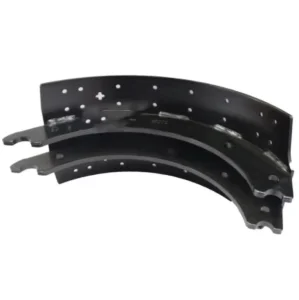
In heavy-duty applications, industrial machinery, and specialized automotive systems, engine oil acts as a primary structural element. Optimal protection requires coordinating high-performance fluids with precision mechanical components. For instance, high-load gear assemblies, commercial heavy-duty brake systems, and transmission components must withstand significant mechanical stress.
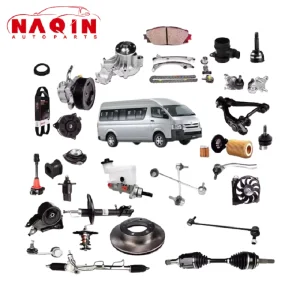
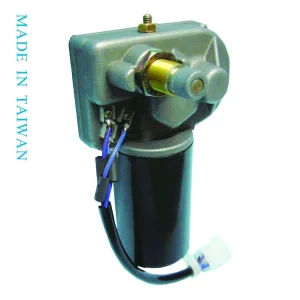
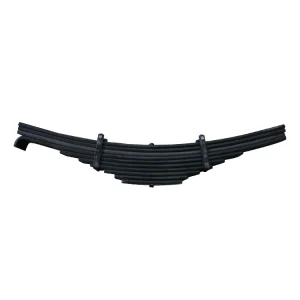
This structural synergy is where manufacturers like Guangzhou Yihe Auto Co., Ltd. show their value. By manufacturing precision vehicle systems—including heavy-duty suspension leaf springs, brake components, drive shafts, and engine cooling systems—Yihe Auto ensures that the metal tolerances, surface finishes, and rubber seals are designed to work with advanced synthetic oils. This systematic integration minimizes boundary wear, prevents seal degradation, and stops premature structural breakdown.
Guangzhou Yihe Auto Co., Ltd. is a professional Auto Parts Manufacturer | Engine Components, Suspension Parts & Automotive Systems dedicated to providing high-quality automotive components and customized manufacturing solutions for global vehicle manufacturers, distributors, wholesalers, and aftermarket suppliers. With years of industry experience, the company serves a wide range of automotive sectors, including passenger vehicles, commercial trucks, electric vehicles, and industrial transportation equipment.
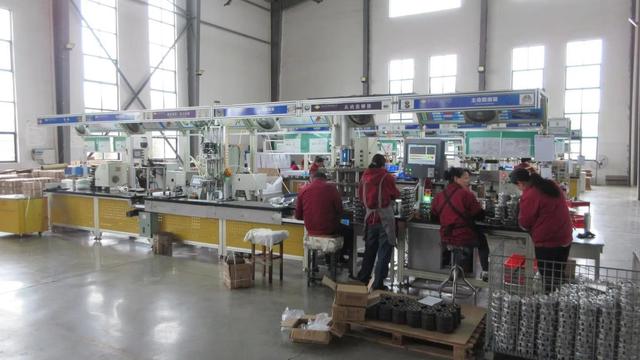
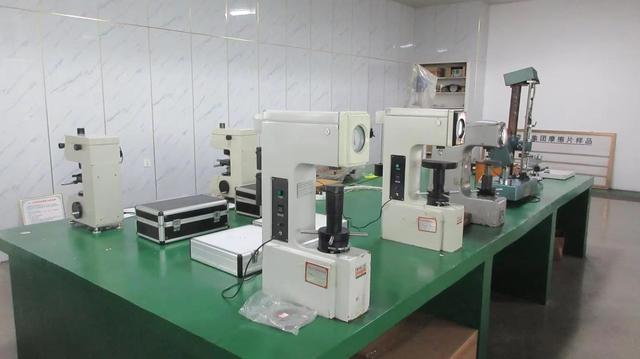
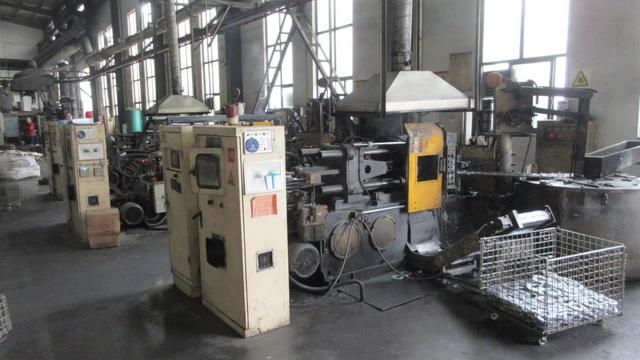
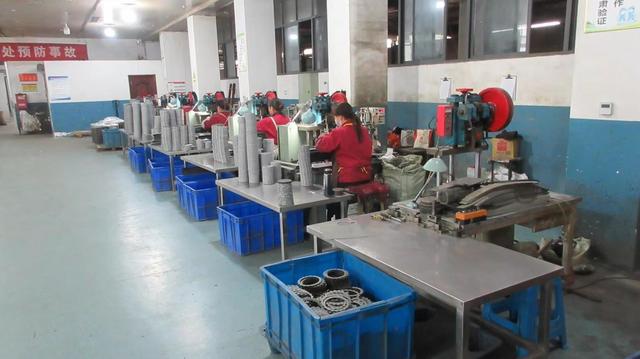
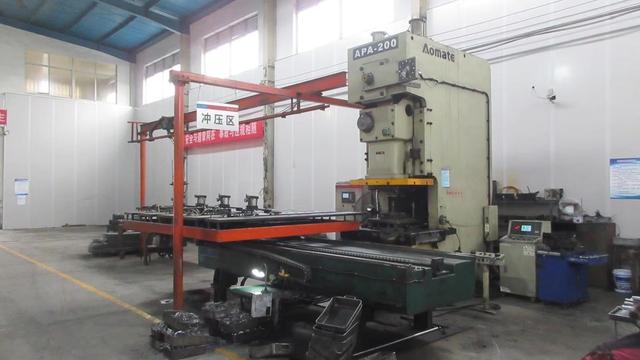
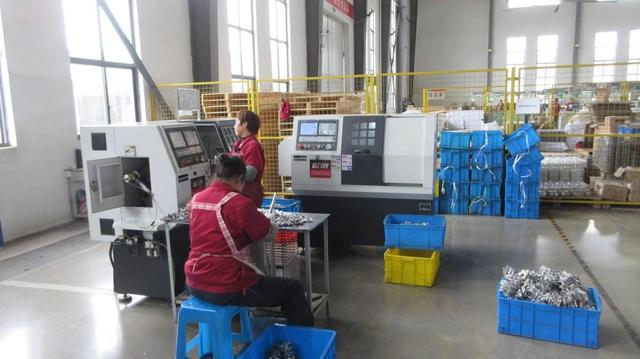
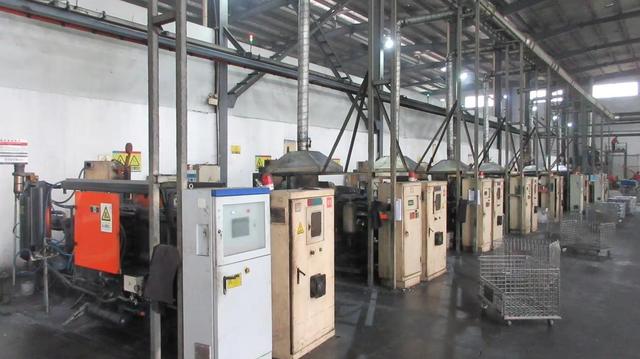
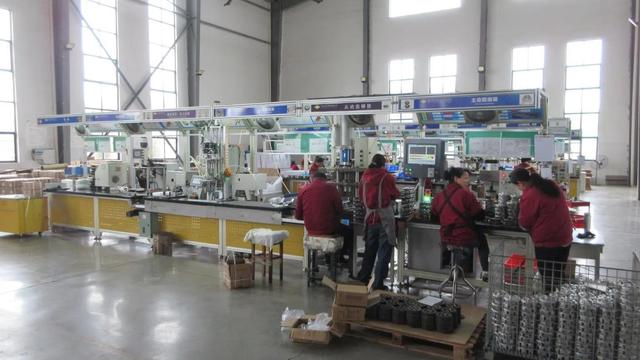
Located in Guangzhou, China, Yihe Auto operates modern production facilities equipped with advanced machining equipment, automated manufacturing lines, and comprehensive quality inspection systems. The company specializes in the development and production of engine components, suspension parts, steering system components, brake system parts, transmission components, chassis parts, automotive electrical systems, cooling system components, and various custom-engineered automotive solutions.
Quality, precision, and reliability are the foundation of the company's operations. Yihe Auto implements strict quality control procedures throughout every stage of production, from raw material sourcing and precision machining to assembly and final inspection. By utilizing advanced manufacturing technologies and high-performance materials, the company ensures that its products meet demanding industry standards for durability, safety, and long-term performance.
In addition to standard product manufacturing, Yihe Auto offers flexible OEM and ODM services tailored to customer requirements. The company's engineering and technical teams work closely with clients to develop customized automotive components that meet specific vehicle applications and market demands. From product design and prototyping to mass production and logistics support, Yihe Auto provides comprehensive manufacturing solutions under one roof.
Serving customers across North America, Europe, Southeast Asia, the Middle East, South America, and Africa, Guangzhou Yihe Auto Co., Ltd. has built a reputation for dependable quality, competitive pricing, and responsive customer service. The company remains committed to innovation, operational excellence, and long-term partnerships, helping customers achieve success in the rapidly evolving global automotive industry.

The lubricant sector is moving toward decarbonization and intelligent diagnostic systems. Sourcing teams looking to future-proof their supply chains should monitor the development of several key technologies:
As Scope 3 emissions targets become mandatory under ESG reporting, bio-based synthetics made from renewable agricultural feedstocks are reaching performance parity with PAOs. Additionally, advanced re-refining processes convert used oils back into high-quality Group II+ and Group III base oils, consuming significantly less energy than refining crude oil.
For large-scale industrial machinery and long-haul logistics fleets, the future lies in real-time predictive oil analysis. Sensor systems integrated directly into oil sumps measure changes in dielectric constants, dynamic viscosity, and particulate contamination. These metrics transmit live data to cloud engines to schedule oil changes based on actual fluid health rather than arbitrary mileage intervals.
Next-generation additives leverage nanoparticles—such as graphene oxide, boron nitride, and nanodiamonds—to form microscopic protective barriers over engine internal surfaces. These materials significantly lower friction coefficients and prevent metal-on-metal contact under boundary lubrication, especially during dry-start conditions.
Ensure systematic mechanical stability with OEM-spec components built for heavy-duty operational cycles.
 Yihe Auto