In the complex ecosystem of automotive safety, brake fluid is often the most overlooked yet vital component. As a professional in the industry, understanding the nuances between DOT 3, DOT 4, and the high-performance DOT 5.1 or LV (Low Viscosity) standards is paramount. China has emerged as a global powerhouse not just in manufacturing, but in chemical engineering and R&D for these specialized fluids.
Global procurement managers are increasingly turning to top Chinese manufacturers—like Guangzhou Yihe Auto—not merely for price advantages, but for their robust quality compliance, advanced manufacturing capability, and sophisticated supply chain logistics.
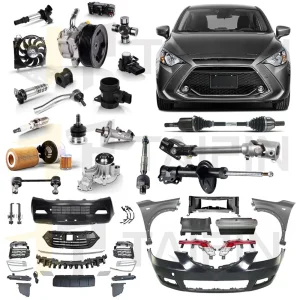
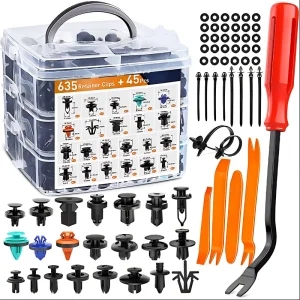
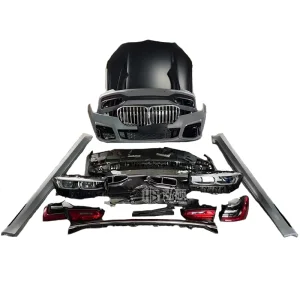
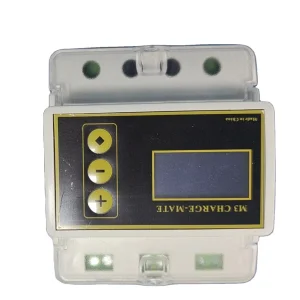
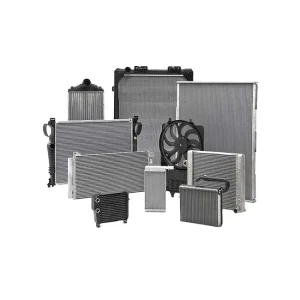
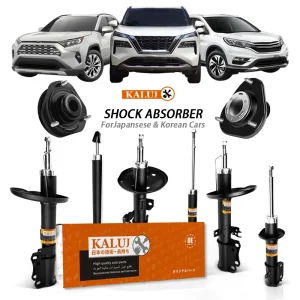
Guangzhou Yihe Auto Co., Ltd. represents the gold standard in the Chinese auto parts manufacturing sector. Dedicated to providing high-quality automotive components, the company serves as a strategic partner for global vehicle manufacturers, distributors, and aftermarket suppliers. By integrating modern production facilities with stringent quality inspection systems, Yihe Auto ensures that every batch of automotive fluid and component meets the rigorous safety requirements of international markets.
The Chinese brake fluid and automotive parts industry offers unique advantages that align with modern B2B procurement strategies:
Navigating global regulations is a core competency for top exporters. Ensuring compliance with REACH (Registration, Evaluation, Authorisation and Restriction of Chemicals), RoHS, and specific DOT (Department of Transportation) standards is non-negotiable. Leading Chinese exporters provide comprehensive documentation—including Material Safety Data Sheets (MSDS) and Certificates of Analysis (COA)—to ensure smooth customs clearance in the EU, North America, and beyond.
DOT 3 has a lower boiling point and absorbs moisture more quickly than DOT 4. DOT 4 is formulated with borate esters to provide a higher boiling point and better performance in modern vehicle braking systems.
Top-tier factories like Guangzhou Yihe Auto utilize automated manufacturing lines, precision machining, and multiple QC checkpoints. They maintain international ISO certifications and provide full product traceability.
Yes, leading manufacturers offer flexible OEM and ODM services, allowing distributors to brand products with their own labels while maintaining strict factory-certified safety standards.
 Yihe Auto