Yihe Auto
Algeria's Strategic Shift to Localized Vehicle Assembly & Auto Parts Production
The industrial landscape of Algeria is undergoing a rapid paradigm shift. Historically heavily reliant on direct automotive imports, the Algerian government has enacted strategic executive decrees (including Executive Decree No. 22-384) designed to incentivize domestic vehicle manufacturing. With the setup of major assembly clusters in Oran (such as Stellantis’ Fiat Tafraoui plant) and ongoing automotive infrastructure expansions in Constantine and Algiers, the demand for highly reliable Tier-1 and Tier-2 automotive components—specifically automotive fasteners—has scaled exponentially.
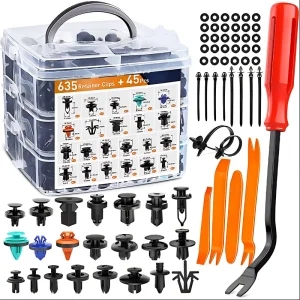
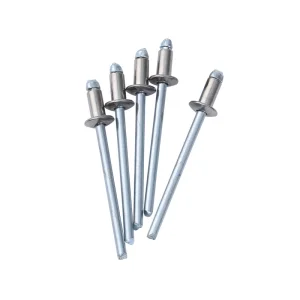
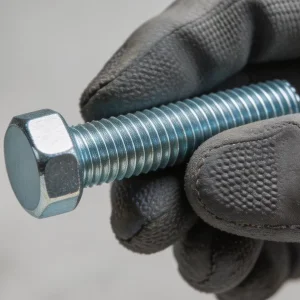
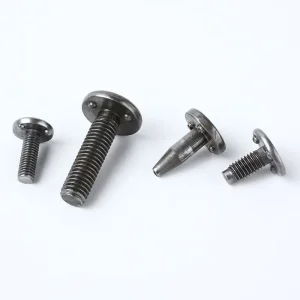
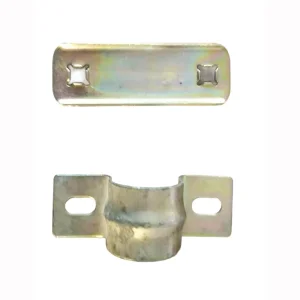
Automotive fasteners, though small in physical dimensions, constitute the structural backbone of passenger and commercial vehicles. Standard passenger cars require thousands of threaded bolts, nuts, rivets, and plastic trim clips to maintain body-in-white (BIW) integrity, engine compartment stability, and electrical harness organization. To capture import duty exemptions and conform to local content integration mandates (which target 35% to 40% local integration within five years of assembly operations), manufacturers and procurement managers in Algeria are aggressively seeking long-term global supplier partnerships that guarantee material traceability, engineering precision, and cost-competitiveness.
Key Technical Trends in the Global & Algerian Fastener Markets
As the global automotive industry navigates toward lightweighting, hybridization, and electric vehicles (EVs), fastening tech is evolving along parallel paths. Manufacturers must adapt to:
- Lightweight Materials: Heavy steel bolts are increasingly being replaced by titanium and high-grade aluminum alloys to reduce curb weight and lower carbon emissions.
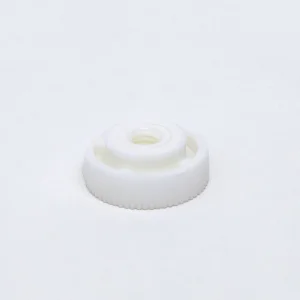
- Advanced Engineering Plastics (Nylon 66, POM): For interior trims, bumper brackets, and under-hood wiring, high-performance polyamides (often reinforced with glass fibers) provide superior mechanical strength, corrosion resistance, and heat insulation.
- Thermal and Acoustic Performance: Modern vehicle structures demand fasteners that minimize vibration-induced noise (NVH) and resist thermal degradation under the hood.
- Hydrogen Embrittlement Prevention: For high-tensile steel fasteners (Grade 8.8, 10.9, 12.9), rigorous post-electroplating baking protocols are mandatory to eliminate internal hydrogen stress, avoiding catastrophic delayed cracking.
Harsh Environmental Demands: Custom Engineering for North African Conditions
Algeria's geographic positioning subjects passenger and commercial vehicles to severe environmental challenges. Fasteners used in these contexts must be engineered with specific micro-coatings to ensure long-term durability:
- Sand and Fine Dust Ingress: Fasteners in the undercarriage and engine bay must feature high mechanical seal properties to prevent abrasive sand from wearing down thread profiles.
- Coastal Salt Fog Corrosion: Major Algerian industrial and population hubs (Algiers, Oran, Annaba, Bejaia) sit along the Mediterranean. Highly humid, salt-laden atmospheres require advanced surface coatings like Dacromet, Geomet, or Zinc-Nickel plating, delivering upwards of 1,000 hours of salt spray resistance (ISO 9227 standard).
- Extreme Desert Thermal Variations: Vehicles operating in inland and Saharan regions experience ambient temperatures fluctuating from below freezing at night to over 45°C during the day. Fasteners must maintain structural clamping force (tension) across this extreme thermal gradient without suffering thermal creep.
China Factory 4.0: Ensuring Supply Chain Resilience and Quality Assurance
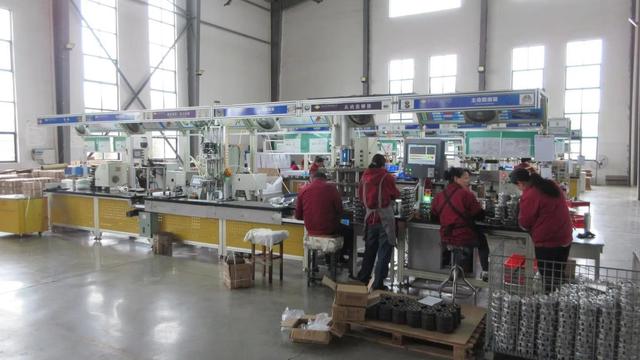
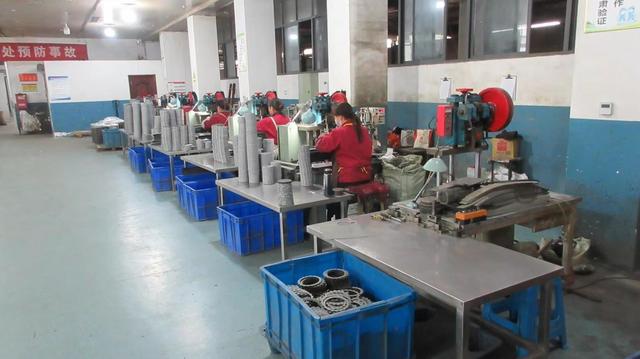
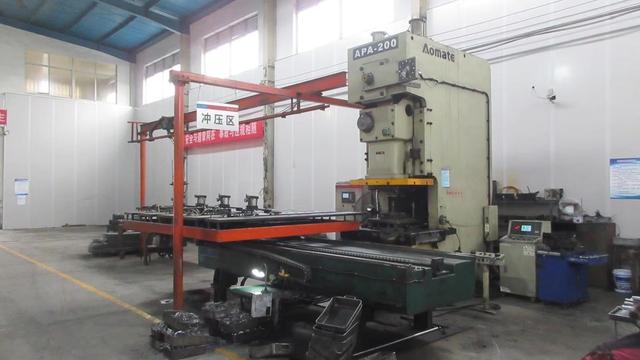
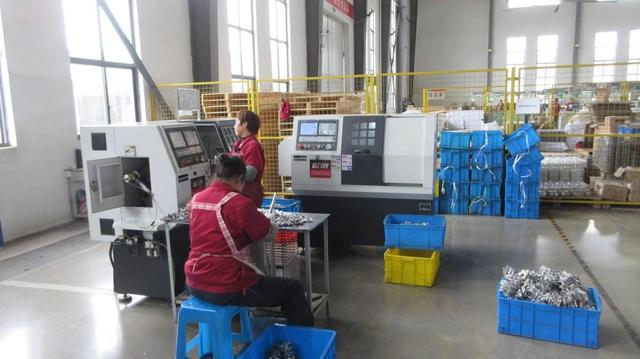
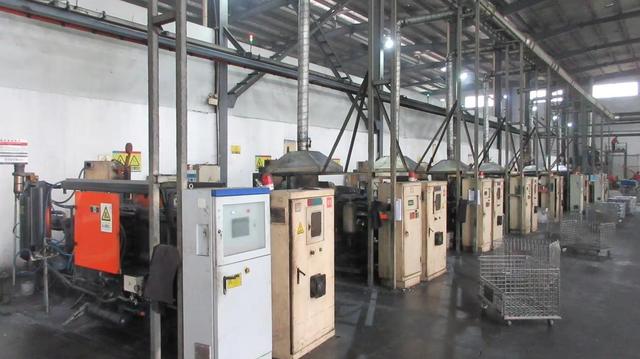
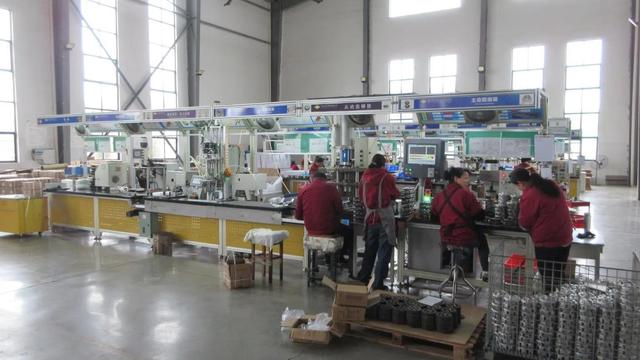
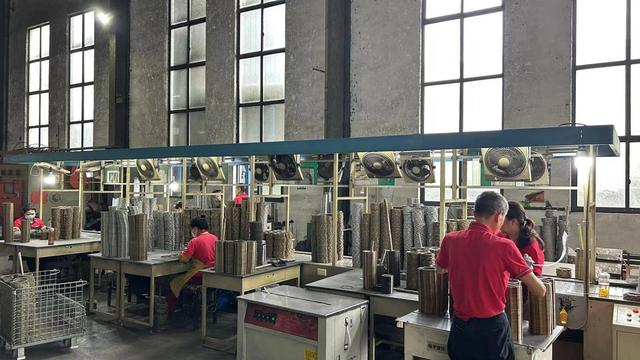
Guangzhou Yihe Auto Co., Ltd., as a premier automotive components manufacturer, leverages Industry 4.0 production methodologies to address these stringent demands. Our automated production lines incorporate real-time monitoring and high-speed cold forging machinery that guarantee physical dimension errors are kept under sub-millimeter tolerances.
Our quality management flow enforces:
- AI-Driven Optical Sorting: Every batch of fasteners runs through high-resolution optical inspection machines that weed out components with slight deviations in thread pitch, head diameter, or surface finish, achieving defect rates under 10 PPM.
- Material Traceability: Complete chemical compound verification and mill test reports (MTR) are cataloged for every batch of raw steel or polyamide resins.
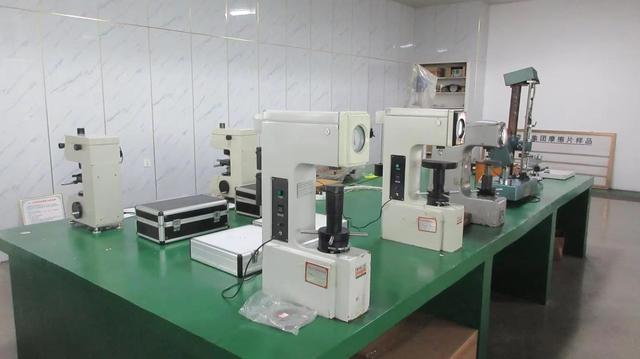
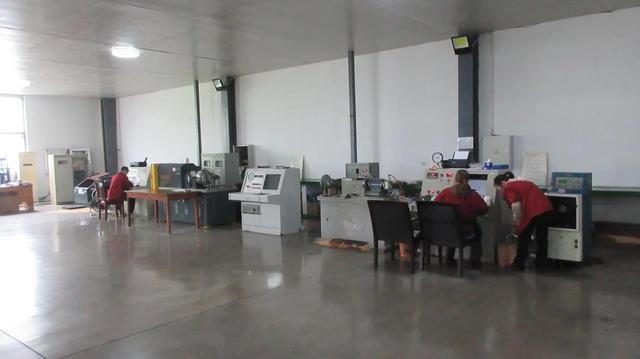
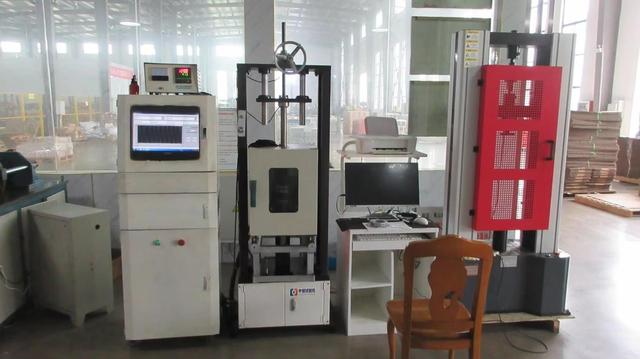
- End-to-End Testing Labs: Our state-of-the-art testing centers conduct regular tensile tests, shear tests, torque-tension analysis, and micro-hardness testing to ensure compliance with global DIN, ISO, and ANSI specifications.