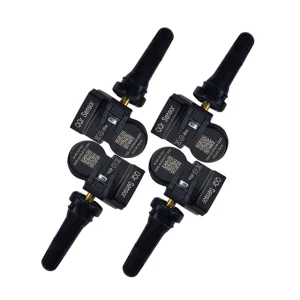
Automotive Sensors Manufacturer & Suppliers serving the Osaka Market

Empowering the Kansai automotive cluster with High-Performance, IATF 16949 compliant OEM & aftermarket sensor technologies designed for maximum durability and precision.

Send Inquiry Now
IATF 16949
Certified Facility Quality Assurance
100%
End-Of-Line (EOL) Calibration Testing
0.05%
Low Market Return Rate Guarantee
48 Hr
Rapid Technical Consultation for Osaka Buyers

Osaka's Industrial Ecosystem & Automotive Sensor Requirements

The Kansai region, anchored by the industrial powerhouse of Osaka, represents a highly complex and demanding automotive aftermarket and precision engineering market. Known historically for its robust mechanical engineering clusters, Sakai manufacturing facilities, and the logistics hub of the Osaka Bay area, this region requires automotive parts that demonstrate exceptional engineering margins. Fleet operators, logistics enterprises, and distributors across Osaka demand components that operate flawlessly under varied temperature fluctuations, heavy-duty commercial cycles, and high-vibration environments.

With Japan's progressive shift towards the CASE (Connected, Autonomous, Shared, and Electrified) framework, the role of automotive sensors has evolved. No longer are sensors viewed simply as isolated electrical components. Modern automotive architectures integrate sensors as key nodes within high-speed CAN bus networks, requiring real-time diagnostic reliability. In the high-density urban environments of Osaka, sensors must cope with stop-and-go wear, severe summer humidity, and demanding emissions checks. Consequently, replacement sensors must offer exact OEM specification matching to prevent diagnostic trouble codes (DTCs) and keep commercial transport fleets operational.

High-Performance Sensor Requirements in the Kansai Region

Modern fleets operating in Osaka require critical sensor groups to maintain efficiency:

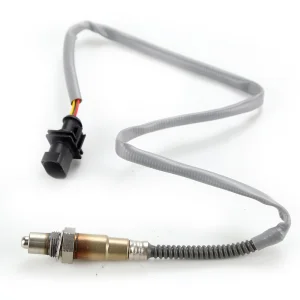
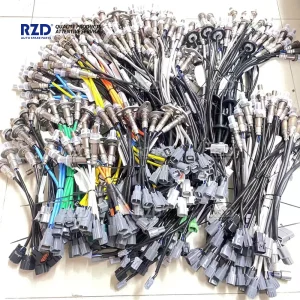
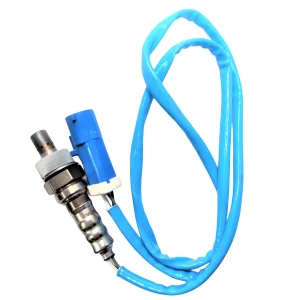
  • Emission & Combustion Controls: High-temperature stability oxygen sensors (zirconia and titania elements) capable of sending rapid stoichiometric feedback to the ECU.
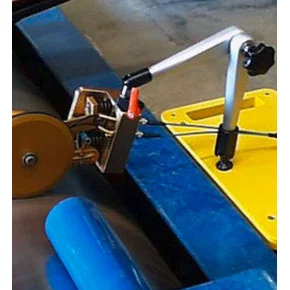
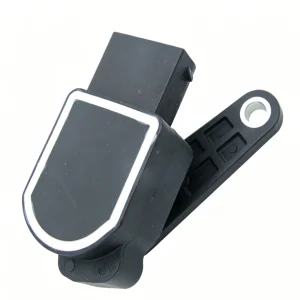
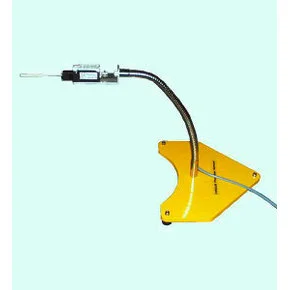
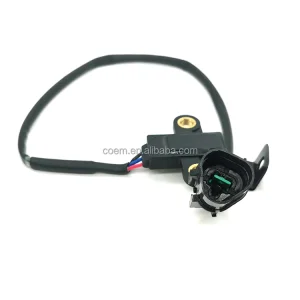
  • Chassis & Dynamics: Dynamic fifth-wheel speed sensors and headlight leveling modules that maintain heavy vehicle balance and high-precision speed calculations on automated chassis dynamometers.
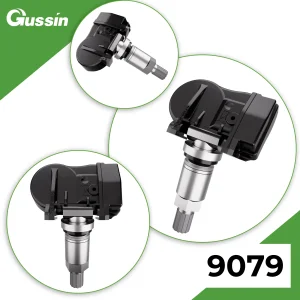
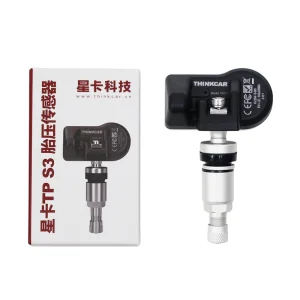
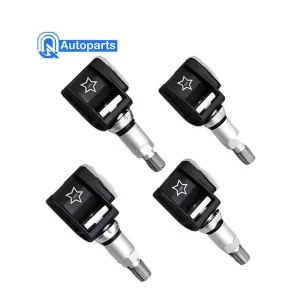
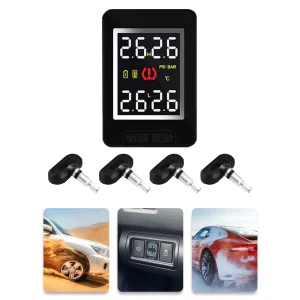
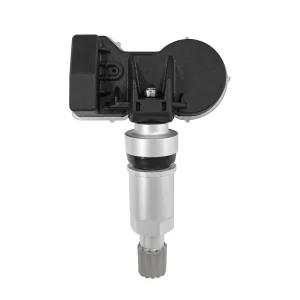
  • Tire Safety & TPMS: Universal and programmable tire pressure monitoring system sensors working on dual-frequency modes (315 MHz and 433 MHz) to ensure fleet-wide safety.

Guangzhou Yihe Auto Co., Ltd.: Professional Auto Parts Manufacturer

Guangzhou Yihe Auto Co., Ltd. is a professional Auto Parts Manufacturer | Engine Components, Suspension Parts & Automotive Systems dedicated to providing high-quality automotive components and customized manufacturing solutions for global vehicle manufacturers, distributors, wholesalers, and aftermarket suppliers. With years of industry experience, the company serves a wide range of automotive sectors, including passenger vehicles, commercial trucks, electric vehicles, and industrial transportation equipment.

Located in Guangzhou, China, Yihe Auto operates modern production facilities equipped with advanced machining equipment, automated manufacturing lines, and comprehensive quality inspection systems. The company specializes in the development and production of engine components, suspension parts, steering system components, brake system parts, transmission components, chassis parts, automotive electrical systems, cooling system components, and various custom-engineered automotive solutions.

Technical Capabilities

Advanced Materials

Utilizing high-performance engineering plastics, premium micro-chips, and platinum-coated heating elements.

Strict Calibration

Our sensors are dynamic-tested in simulated extreme automotive conditions (-40°C up to +150°C).

JAPIA Compliant

Meets standard safety regulations for Japanese auto market integration and commercial operations.

Contact Engineering Team

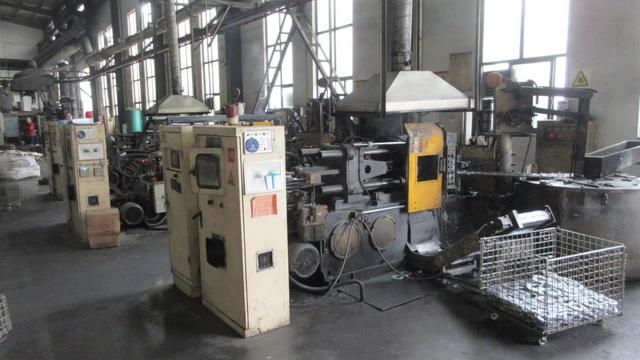
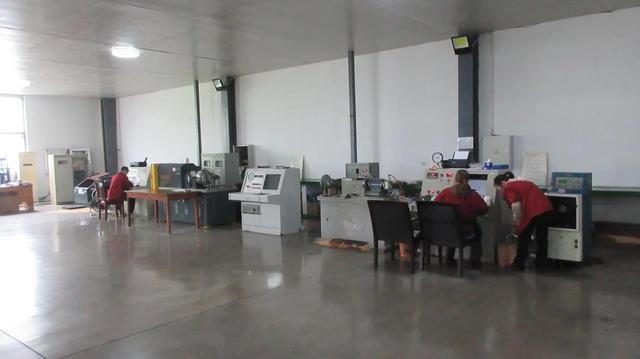
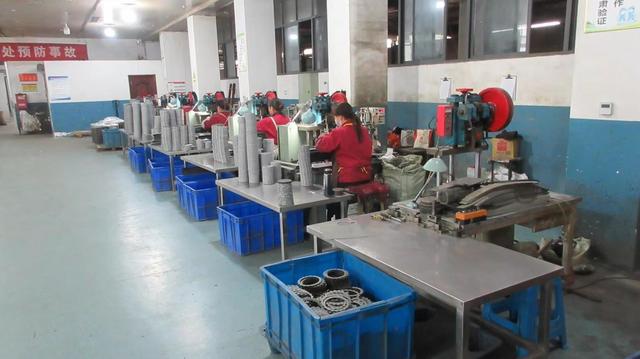
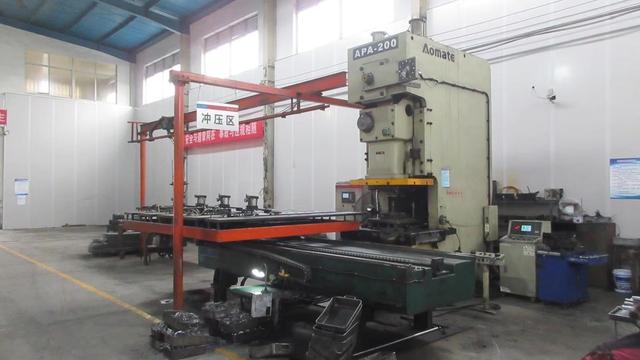
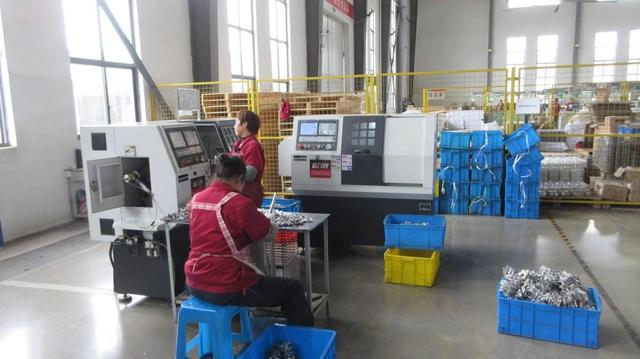
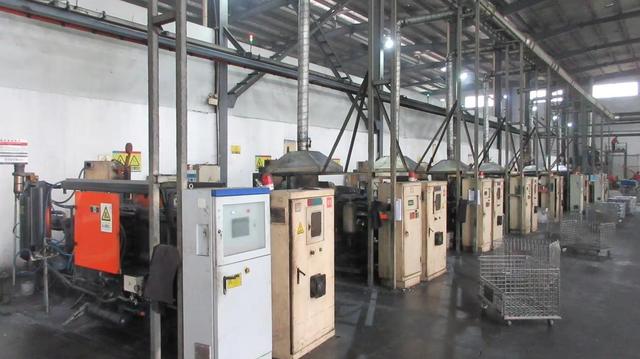
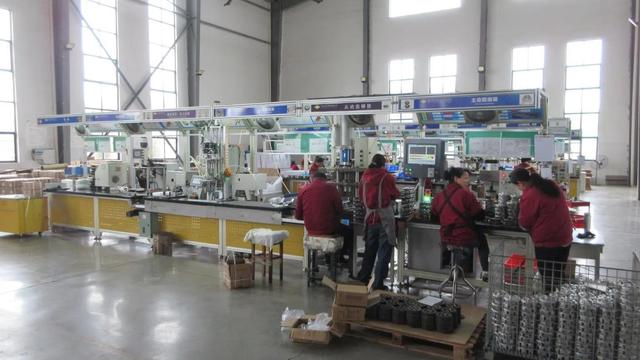
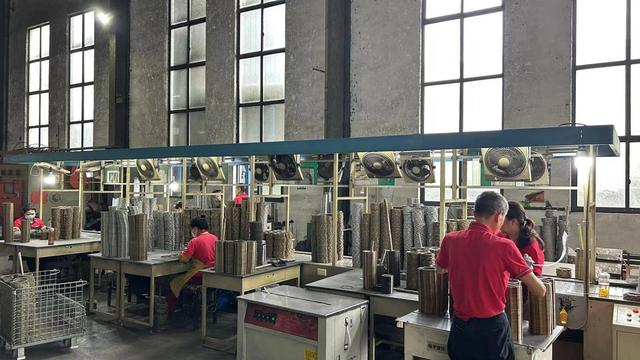
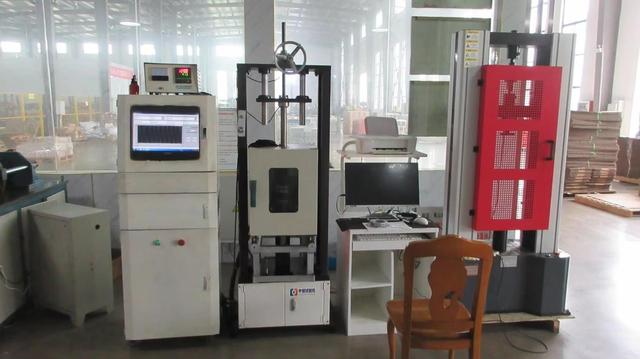
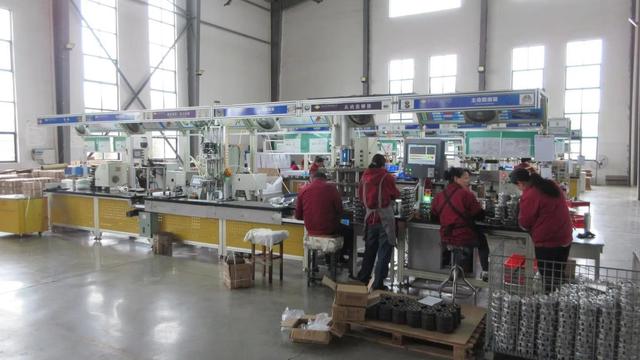
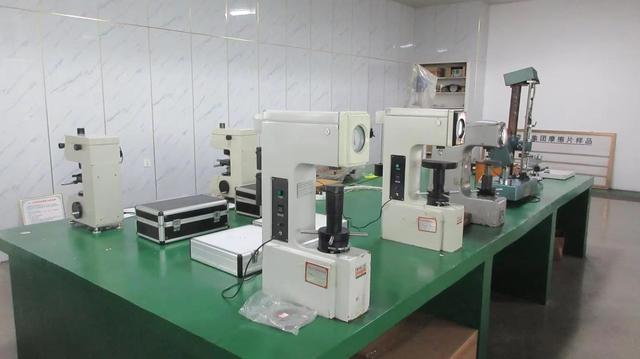
Guangzhou Yihe Production Facilities

Reliability, precision, and raw material safety form the cornerstone of our operations. Explore our state-of-the-art facilities delivering bulk solutions directly to Osaka.
China Factory Supply Chain Advantages & Localized Logistics Integration

For procurement officers in Osaka, navigating the delicate balance between quality and cost is a perpetual challenge. By partnering directly with Guangzhou Yihe Auto Co., Ltd., Japanese businesses tap into the advanced manufacturing capabilities of Guangzhou's auto parts industrial cluster. Our factory utilizes high-volume, automated processes, and modern assembly configurations to drastically reduce production margins while maintaining the strict tolerances demanded by Japanese standards. This close relationship eliminates intermediate markup costs typical of multi-tiered supplier networks, ensuring direct cost savings to Osaka importers.

Furthermore, the logistical proximity between Guangzhou and the Port of Osaka allows for efficient, predictable supply chains. With established maritime connections, bulk shipments of automotive sensors transition from our production floor in China to warehouses in Osaka with minimal delay. This regular freight scheduling supports the Just-In-Time (JIT) inventory strategies favored by Japanese tier-1 distributors, minimizing capital lock-up in local warehouses. By offering flexible custom OEM packaging alongside reliable freight channels, we ensure that products arrive shelf-ready, fully compliant with international shipping regulations, and marked with matching barcodes for easy inventory scanning.

Overcoming Quality Friction in Global Sourcing

A primary friction point in sourcing automotive components internationally is quality variation. At Yihe Auto, we neutralize this concern through three pillars of manufacturing discipline:

  • Material Traceability: All components are manufactured using certified raw plastics, high-grade silicon wafers, and industrial-spec metals sourced from vetted, traceable global vendors.
  • Testing Rigor: We utilize advanced automated test rigs, including environmental stress screening (ESS), salt spray tests for corrosion, and high-frequency vibration simulations.
  • IATF 16949 Standards: Our manufacturing plants operate strict quality management systems (QMS), aligning with the absolute standard of global Tier-1 automotive manufacturing.

Engineering for the Future: Technological Trends (2024-2030)

The automotive landscape is undergoing structural changes, and sensor design must evolve in parallel. Key trends include the integration of multi-protocol chips capable of transmitting sensor status via BLE (Bluetooth Low Energy) alongside standard RF frequencies for TPMS, providing deeper insights for smart vehicle management. Additionally, as emissions criteria globally align with more aggressive targets (such as Japan's WLTC driving cycle), oxygen and pressure sensors must deliver faster start-up responses to control cold-start exhaust output.

By investing in ongoing Research & Development, Yihe Auto remains at the forefront of sensor integration. We are systematically expanding our product capabilities to cover newer hybrid and electric vehicle layouts, ensuring that Osaka buyers have access to a future-proof catalog. Whether for ICE replacements or upcoming vehicle designs, our catalog bridges the gap between classic reliability and modern capability.

Global Supply Chain

Direct Sea Freight

Direct shipping routes from Guangzhou to Osaka Port, offering fast logistics and predictable schedules.

Custom OEM & ODM

Tailored labeling, laser engraving, packaging design, and electrical parameter customizations.

Zero-Tolerance QC

Every single sensor undergoes electrical verification and calibration before leaving the facility.

Send Inquiry Now

Frequently Asked Questions (FAQ)

Expert insights regarding automotive sensor specifications, procurement channels, regulatory compliance, and support options for Osaka businesses.

Q1: How do your oxygen sensors ensure compliance with Japan's strict emissions laws?
Our oxygen sensors utilize high-grade zirconia and titania ceramic elements coated with platinum. This ensures stable voltage output and rapid response to air-fuel ratio variations. Our designs conform with domestic emissions test cycles (such as JC08 and WLTC), preventing the check engine light (MIL) from activating due to signal latency.
Q2: Can we customize TPMS frequencies for Japanese vs. export vehicles in Osaka?
Yes. We manufacture both single-frequency and programmable dual-frequency TPMS sensors. We support 315 MHz (standard for many Japanese domestic market vehicles) and 433 MHz (primarily for European and North American imports). We also provide 2-in-1 programmable sensors compatible with major diagnostic tools.
Q3: What are the transit timelines and logistics routes from your Guangzhou factory to Osaka?
Standard sea freight from the Port of Guangzhou to the Port of Osaka takes approximately 5 to 7 days, excluding customs processing. For urgent, low-weight orders, we work with direct air express couriers (DHL, FedEx, UPS) to achieve door-to-door delivery in Osaka within 3 to 5 business days.
Q4: Are your manufacturing processes certified under IATF 16949?
Yes, our main manufacturing facility is IATF 16949 certified. This ensures that every phase of manufacturing, from product design and raw material sourcing to sub-assembly and calibration, follows the highest quality management systems expected by global OEM automotive manufacturers.
Q5: Do you supply OEM equivalent replacement parts for Japanese vehicle brands?
Absolutely. We manufacture sensors that correspond directly to OEM numbers for Toyota, Honda, Nissan, Mazda, Mitsubishi, and Subaru. Every sensor is cross-referenced using OEM databases to ensure correct fitment, connector alignment, and electrical impedance properties.
Q6: What materials are used in your speed and position sensors to prevent heat wear?
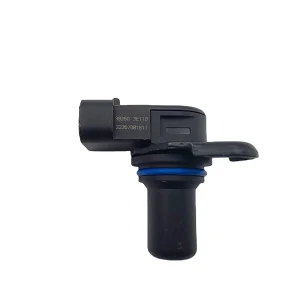
We use high-temperature resistant polyphenylene sulfide (PPS) or fiberglass-reinforced nylon for housing. The internal Hall-effect or magneto-resistive ICs are sourced from premium semiconductor manufacturers, designed to withstand continuous operating temperatures up to 150°C and thermal shocks from cold environments.
Q7: Can we request custom packaging or laser etching for our distribution brand in Kansai?
Yes. We offer comprehensive OEM and ODM support, including customized packaging boxes, laser-etched brand names and part numbers directly on the sensor body, and custom sticker options. We can adjust details to match your branding standards.
Q8: How does Guangzhou Yihe Auto handle defect claims and warranty support?
We offer a comprehensive 12-month quality warranty on all automotive sensors. In the rare event of a functional failure or material defect, we require a technical diagnostic report or photos/videos showing the issue. Verified defective parts are replaced or credited on your next shipment.
Q9: What is the minimum order quantity (MOQ) for importing direct to Japan?
Our MOQ varies by product line. Standard high-demand sensors typically have an MOQ of 50 to 100 units per reference, while specialized modules or custom ODM designs may require larger runs. Contact our sales department to discuss flexible options for test runs.
Q10: Are your electronic components compliant with RoHS and REACH standards?
Yes. All materials, solder compounds, internal wires, and plastic structures used in our sensor production comply with RoHS and REACH regulations. We prioritize lead-free manufacturing to ensure environmental compatibility.

Need a Trusted Automotive Sensor Manufacturing Partner?

Whether you require bulk replacement parts for distribution networks in Osaka or specialized OEM customizations, our engineering team is here to assist.

Send Inquiry Now