Explore our primary selection of high-precision sensors engineered to meet the strict durability and diagnostic standards of the Korean automotive and chassis testing industries.
South Korea is historically recognized as an powerhouse of automotive excellence and technological pioneering. Dominated by giants like Hyundai Motor Group (including Kia and Genesis), the nation's automotive infrastructure is undergoing a radical transition. The rapid development of zero-emission mobility—spanning Battery Electric Vehicles (BEVs) and Fuel Cell Electric Vehicles (FCEVs)—coupled with Autonomous Driving Systems (ADAS Levels 2.5 to 4), has stimulated an unprecedented domestic demand for highly sophisticated, resilient automotive sensors.
From the high-tech corridors of Seoul to the major automotive ports of Ulsan and Gwangju, Korean Tier-1 system integrators and aftermarket distributors demand sensors that don’t merely perform but excel under stringent local driving dynamics and regulatory conditions. This demands a manufacturing partner that operates on the cutting edge of semiconductor and sensor technology, delivering raw components that guarantee absolute reliability, zero latency, and seamless diagnostic bus integration.
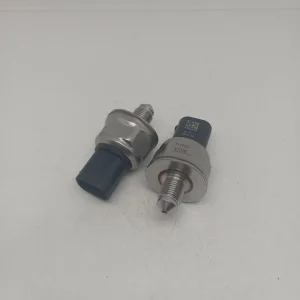
Rapid domestic adoption of electric models and hydrogen fleets requires complex thermal, positioning, and high-voltage safety pressure sensors.
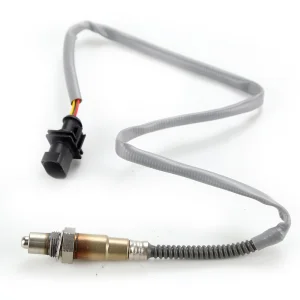
South Korea's strict tailpipe emissions standards demand ultra-fast reaction Oxygen (O2) and NOx sensors to control combustion feedback loops.
V2X-enabled metropolitan areas demand highly calibrated positioning, chassis dynamometer, and wheel speed modules for level-certified autonomy.
The international automotive market is shifting away from simple, mechanical feedback components toward smart, multi-bus integrated sensor suites. In traditional internal combustion engine (ICE) architectures, the focus has shifted toward emissions optimization—relying on high-temperature ceramic oxygen sensors and fast-response camshaft/crankshaft position sensors. Concurrently, the electrification wave has pushed safety systems like Tire Pressure Monitoring Systems (TPMS) and smart suspension levelers into the standard-equipment category worldwide.
This evolutionary transition forces manufacturers to move from legacy fabrication processes to micro-electromechanical systems (MEMS) and advanced SMT (Surface Mount Technology) assembly. The integration of local diagnostics (such as LIN, CAN, and SENT protocols) straight from the sensor head enables modern ECUs to run real-time diagnostics, preventing critical failures before they occur and minimizing warranty claims for manufacturers.
"The integration of silicon-based micro-machined sensing elements with onboard ASIC chips represents the standard of the current market. Without strict compliance to standard qualification procedures like AEC-Q100 and IATF 16949, no sensor manufacturer can expect to enter Tier-1 supply chains."
For Korean automotive procurers, balancing production cost with unrelenting quality is a constant struggle. Based in Guangzhou, China, Guangzhou Yihe Auto Co., Ltd. serves as a premier manufacturing bridge, merging high-throughput Chinese industrial efficiency with premium OEM-grade engineering. Our state-of-the-art facilities leverage automated assembly lines, high-speed SMT machines, and helium leak-testing rigs to deliver defect-free automotive components.
By sourcing raw components and high-purity ceramic substrates in bulk and maintaining an integrated, regional supply chain, we offer Korean distributors and manufacturers a clear pricing advantage. However, efficiency is never traded for quality. Our engineering and technical teams perform strict reliability tests, including thermal shock tests (-40°C to 125°C), high-acceleration vibration testing, and salt-fog corrosion evaluation to ensure every product survives the harshest winter and coastal environments of Korea.
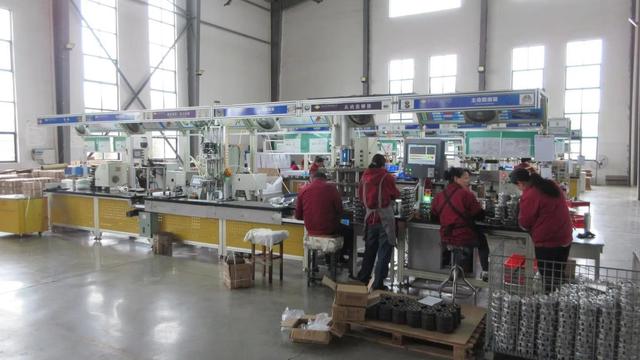
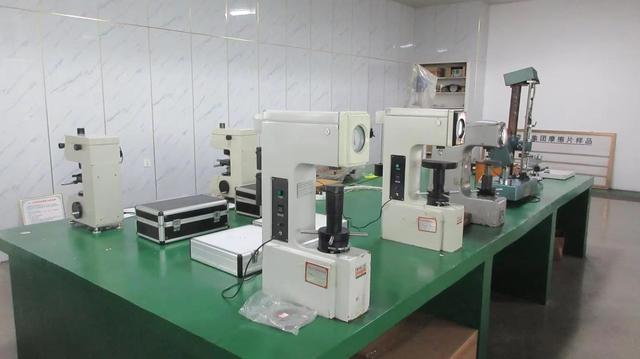
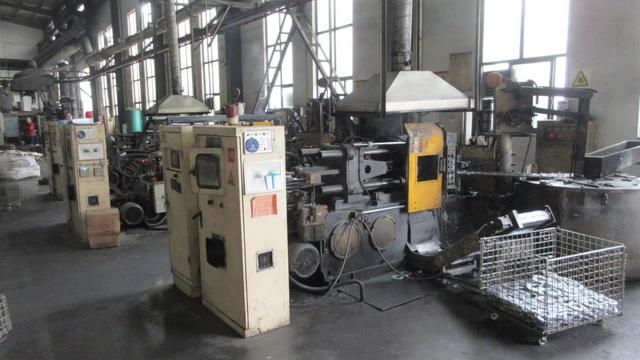
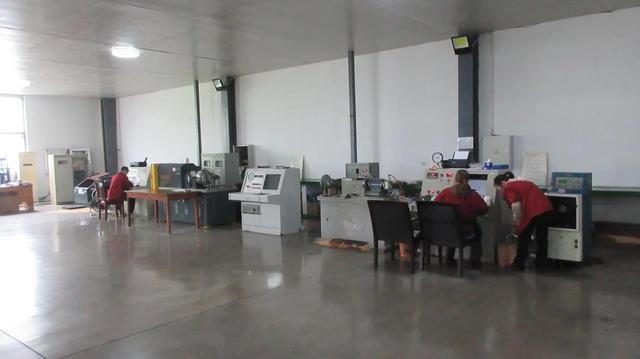
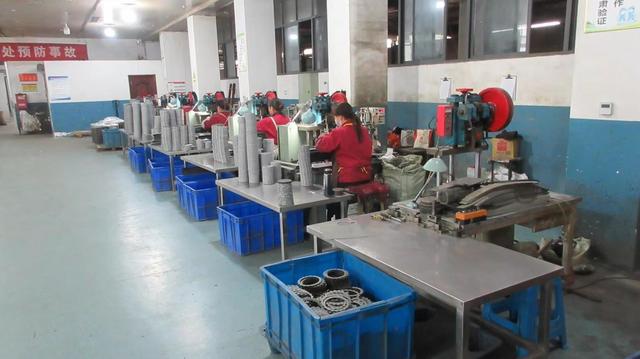
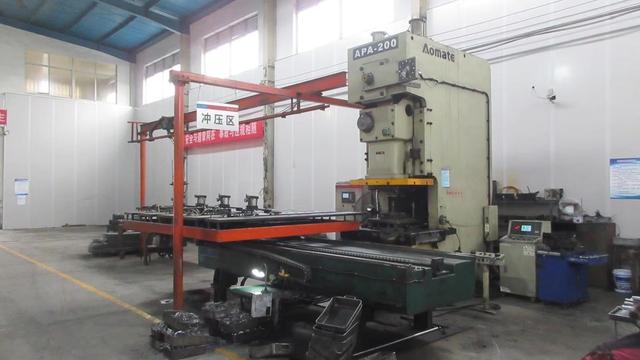
Inside Guangzhou Yihe Auto Co., Ltd.: Precision testing, high-tech assembly lines, and certified quality-control frameworks.
To achieve maximum efficiency, automotive components must be adapted to the local environment, driving habits, and regulatory parameters of the target market.
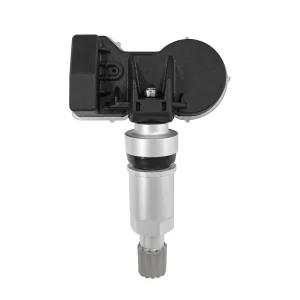
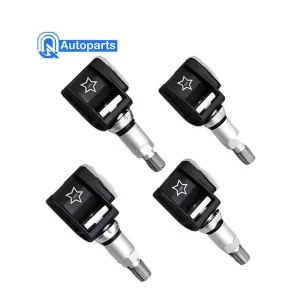
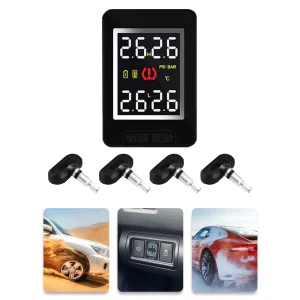
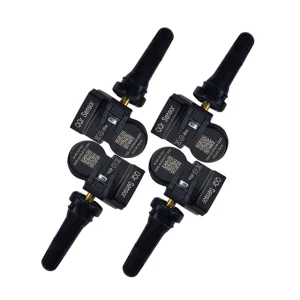
Winters in Gangwon-do and Seoul routinely drop below -15°C, causing sudden drops in tire pressure. Our TPMS units use custom lithium-cobalt batteries and high-precision ASIC chips that prevent false low-pressure warnings and maintain functional RF transmission even during severe cold snaps.
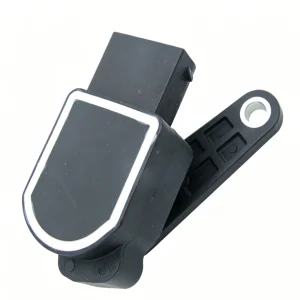
Korean urban design features highly frequent speed bumps and complex, mountainous terrain. Our vehicle height and headlight leveling sensors feature high-frequency Hall-effect angular sensing to provide real-time suspension adjustments, protecting vehicle chassis from impact damage.
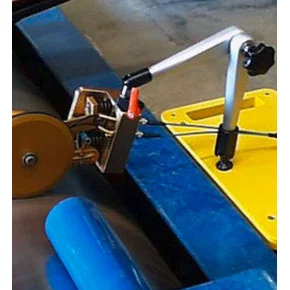
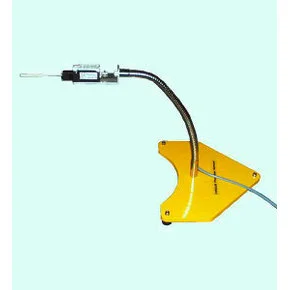
Korean automotive testing institutes (like KATRI) require extreme precision during dyno testing. Our 5th wheel speed sensors deliver stable speed feedback directly to lab systems, ensuring highly accurate safety and fuel-economy benchmarks.
Procuring automotive sensors requires a detailed assessment of production capabilities, engineering standards, and long-term support. For Tier-1 suppliers, aftermarket wholesalers, and fleet managers in South Korea, we suggest evaluating manufacturers based on the following key metrics:
Always request copy certifications and audit trails of manufacturing facilities. An authentic automotive-grade factory must run on an active IATF 16949 system. This ensures that every process step—from incoming raw material validation to final assembly and dispatch—is meticulously logged and traceably structured.
Sensor accuracy is determined by the quality of its internal chip and sensing element. We use premium platinum paste on our oxygen sensor ceramics and source high-reliability automotive microchips. Buyers should request technical datasheets that specify raw material origins to prevent field failures and premature drift.
For OEM programs, demanding a Production Part Approval Process (PPAP) Level 3 package is standard protocol. This package includes FMEA (Failure Mode and Effects Analysis), control plans, process capability studies (Cpk), and material testing results. Guangzhou Yihe Auto supports comprehensive PPAP submissions for custom programs.
Expert answers to technical and logistics questions regarding wholesale manufacturing and local integration in Korea.
Yes. All our products are produced in compliance with the ISO 9001 and IATF 16949 quality standards. The sensors undergo 100% End-of-Line (EOL) testing, checking target resistance, signal output, and electrical continuity. This guarantees smooth integration into domestic Korean vehicles without triggering check-engine codes.
We manufacture both 315MHz and 433MHz frequency TPMS sensors, which align with both imported vehicles and local regulations in Korea. We supply programmable and pre-programmed TPMS solutions, ensuring compatibility with major commercial diagnostic scan tools used in service networks across the country.
We provide comprehensive custom engineering support. Our R&D team can program specific diagnostic protocol structures (including SENT, LIN, PWM, and CAN bus) into custom ASICs. We also offer customization of outer housings, mounting points, and connector pins to match specific vehicle wiring harnesses.
Standard lead times for catalog products range from 7 to 15 business days. For custom OEM/ODM production runs, the time frame varies between 30 and 45 days, depending on PPAP validation requirements. Thanks to our proximity to the Port of Guangzhou, transit times to Busan or Incheon ports typically take only 3 to 5 days.
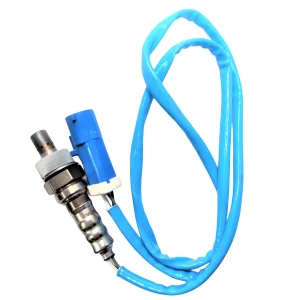
Our oxygen sensors are designed with a double-layered protection tube and high-quality ceramic planar elements. This prevents lead, phosphorus, and sulfur poisoning from fuel additives, ensuring a service life of over 100,000 kilometers under typical driving conditions.
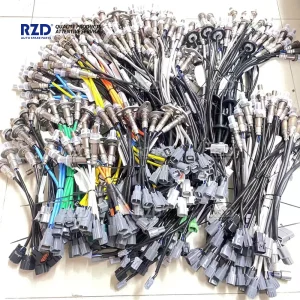
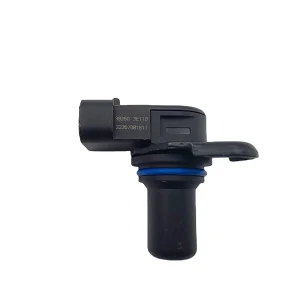
Explore our wide range of automotive sensors, designed to meet the exact replacement and production needs of Korean and global automotive brands.
Get in touch with our engineering team in Guangzhou to request technical drawings, discuss local compatibility requirements for Korea, or request pricing for wholesale orders.
Send Inquiry Now Yihe Auto