Premium featured cooling system assemblies optimized for hyper-arid zones, industrial infrastructure, and heavy transport machinery in Riyadh.
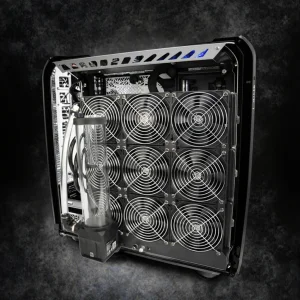
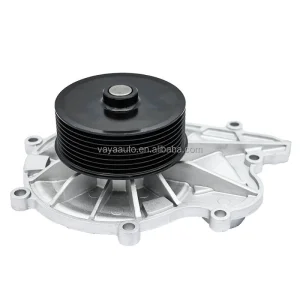
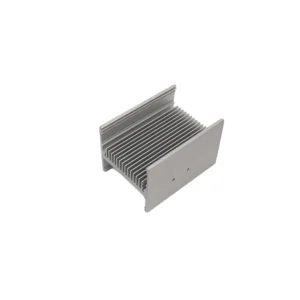
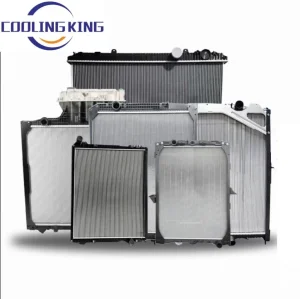
Riyadh is located in a geographic zone defined by extreme thermal stress. With summer temperatures frequently climbing beyond 50°C (122°F), standard automotive and industrial cooling system components designed for temperate climates face systemic failure. The combination of intense ambient heat, solar radiation, and fine desert silica dust presents unique engineering hurdles.
For fleet managers, infrastructure contractors, and industrial operators in Saudi Arabia, thermal management is not simply an operating detail—it is a critical point of failure. Fine sand particles clog traditional louvered fins, drastically reducing the heat transfer coefficient. Without advanced anti-clogging geometries and robust material selection, cooling systems experience rapid degradation, leading to engine overheating, reduced operational efficiency, and catastrophic machinery downtime.
To ensure long-term cooling efficiency under intense solar loads, our manufacturing processes prioritize three primary mechanical vectors:
Analyzing the synergy between Riyadh's Vision 2030 industrial growth and global OEM/ODM radiator manufacturing capabilities.
Under Saudi Arabia’s Vision 2030, Riyadh is rapidly evolving from a regional administrative center into a global logistics and heavy industrial hub. The city is the center of extensive fleet networks operating across the GCC, bridging trade corridors between East and West. The expansion of infrastructure projects, agricultural machinery, municipal fleets, and domestic passenger vehicle numbers has caused demand for high-durability cooling systems to grow exponentially.
Globally, cooling system manufacturing is undergoing an engineering shift. Standard copper-brass radiators are increasingly replaced by light-weight, highly efficient aluminum-brazed radiators. These components provide superior heat dissipation, better fuel efficiency for commercial fleets, and reduced environmental impact. By connecting Middle Eastern distribution networks with advanced manufacturing clusters in China, procurers can access specialized, heavy-duty cooling technologies tailored for desert use.
Guangzhou Yihe Auto Co., Ltd. is an established Auto Parts Manufacturer | Engine Components, Suspension Parts & Automotive Systems dedicated to providing premium automotive components and customized manufacturing solutions for global vehicle manufacturers, distributors, wholesalers, and aftermarket suppliers. With years of industry experience, the company serves a wide range of automotive sectors, including passenger vehicles, commercial trucks, electric vehicles, and industrial transportation equipment.
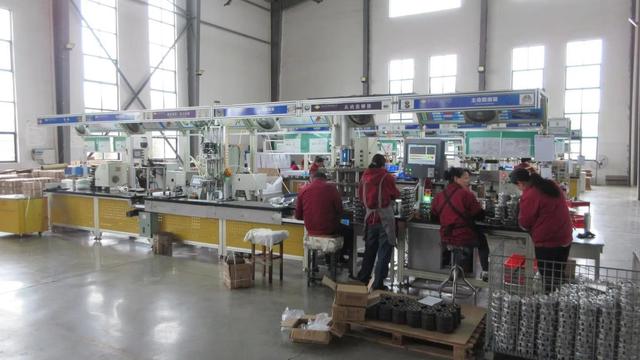
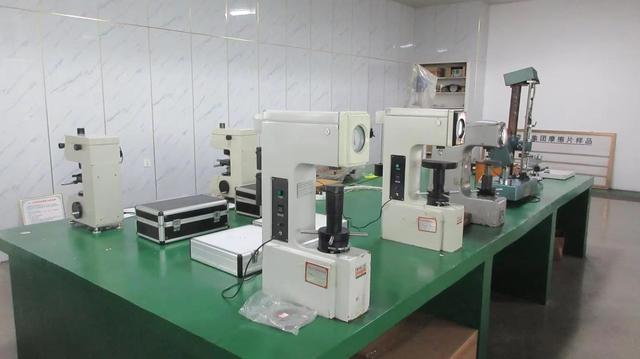
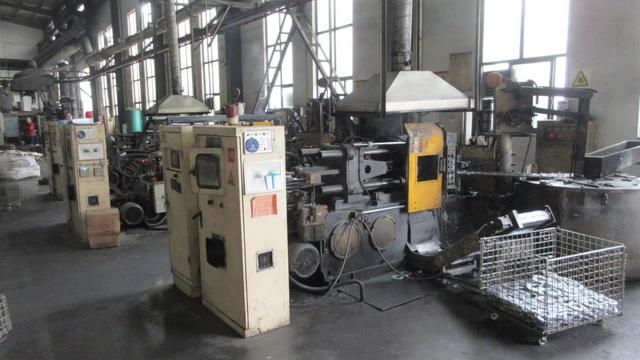
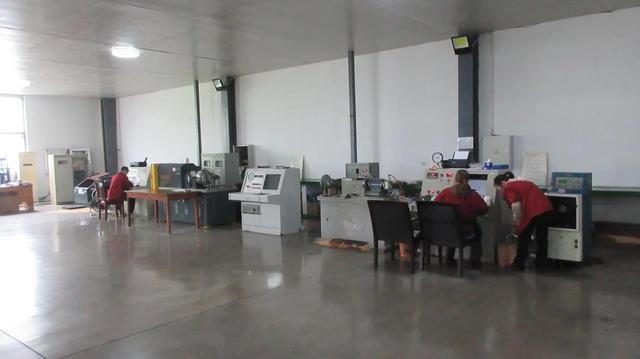
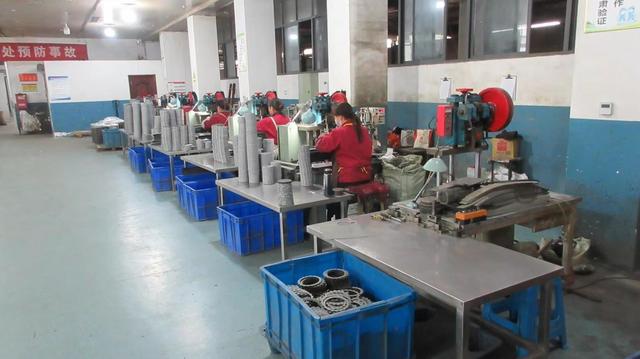
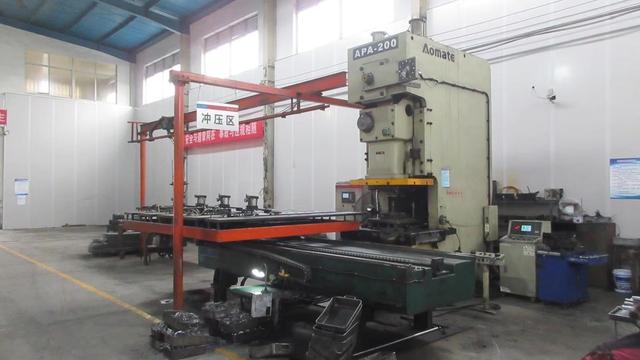
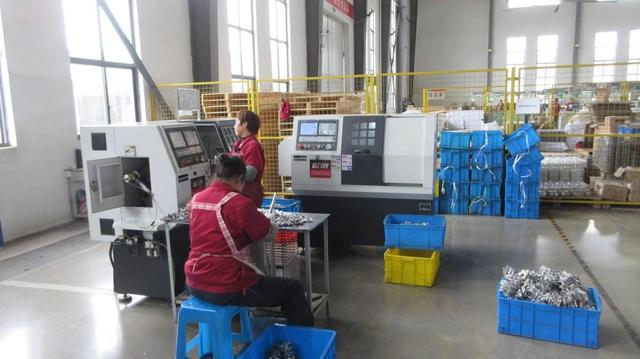
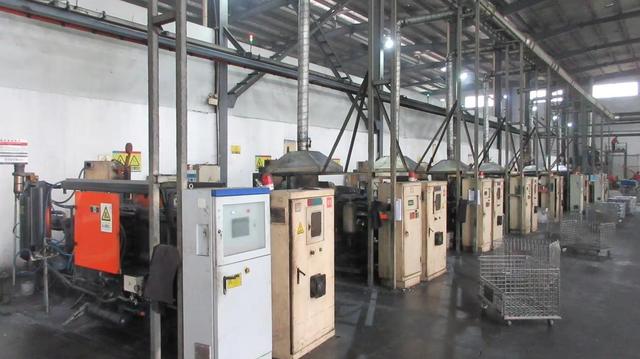
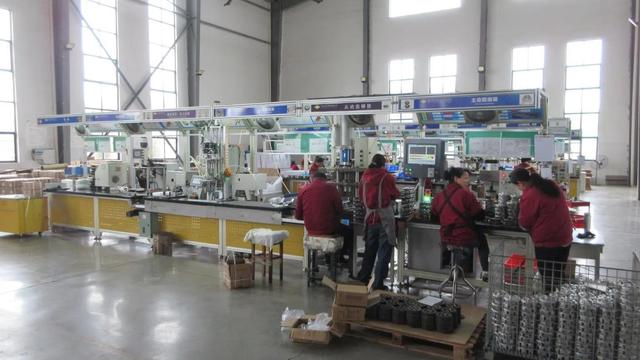
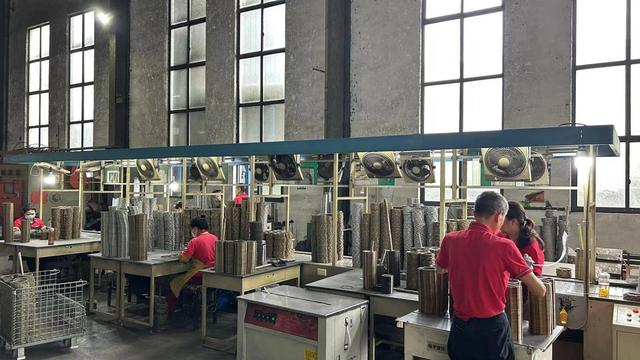
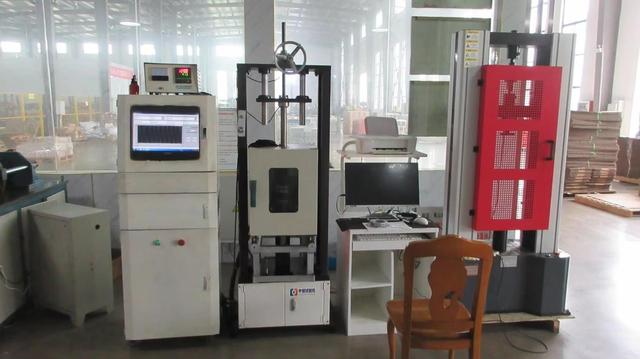
Located in Guangzhou, China, Yihe Auto operates modern production facilities equipped with advanced machining equipment, automated manufacturing lines, and comprehensive quality inspection systems. The company specializes in the development and production of engine components, suspension parts, steering system components, brake system parts, transmission components, chassis parts, automotive electrical systems, cooling system components, and various custom-engineered automotive solutions.
In addition to standard product manufacturing, Yihe Auto offers flexible OEM and ODM services tailored to customer requirements. The company's engineering and technical teams work closely with clients to develop customized automotive components that meet specific vehicle applications and market demands. From product design and prototyping to mass production and logistics support, Yihe Auto provides comprehensive manufacturing solutions under one roof.
From trans-desert heavy logistics fleets to stationary power generators, specialized thermal management systems keep vital machinery moving.
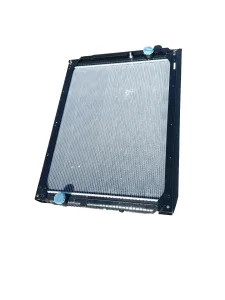
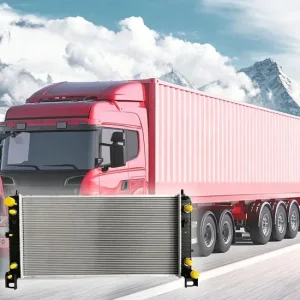
Long-haul trucks carrying freight along the Riyadh-Dammam Highway or crossing the Empty Quarter to neighboring GCC countries require heavy-duty engine oil coolers and high-capacity radiators. Standard models experience thermal lock under heavy loads in the summer heat. Our custom-brazed oil coolers and radiators keep engine temperatures stable, protecting engine components and reducing downtime.
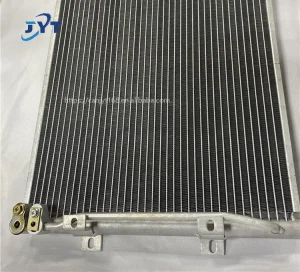
Stop-and-go driving in Riyadh's urban center, combined with high ambient heat and constant air conditioning demand, creates a harsh environment for passenger vehicles. Advanced condenser and radiator core configurations are essential for preventing overheating during extended idling, helping to prolong the lifespan of air conditioning and cooling system components.
Excavators, bulldozers, and drill rigs working on major Saudi infrastructure projects operate in high-dust environments. In these settings, sand and gravel can quickly damage standard radiators. Specialized cooling assemblies with optimized fin pitches and wear-resistant coatings are necessary to maintain reliable operation and minimize dust-related blockages.
Riyadh's growing IT infrastructure depends on robust cooling systems for servers and data centers. High-capacity aluminum heat sinks and dual-row cooling fans help manage heat generation, supporting stable server performance and operational efficiency.
How shifting fuel dynamics, electrification, and material science are redefining cooling components globally.
As Saudi Arabia implements its national EV adoption policies, including Riyadh's target to convert a significant percentage of passenger vehicles to electric by 2030, cooling requirements are changing. While traditional internal combustion engines rely on liquid-to-air radiators for heat dissipation, electric vehicles require specialized thermal regulation for batteries and power electronics. These systems must maintain batteries within a narrow temperature range (typically 15°C to 35°C) to optimize performance, charging speed, and safety. This shift is driving demand for advanced cooling plates, high-efficiency chillers, and complex fluid distribution systems.
Material engineering is key to enhancing the lifespan of heat exchangers in coastal regions and highly saline desert environments. Conventional aluminum structures can face rapid galvanic and localized pitting corrosion. Manufacturers are increasingly utilizing specialized aluminum alloys containing manganese, zinc, or titanium, alongside protective epoxy coatings, to resist corrosive conditions and prolong component service life.
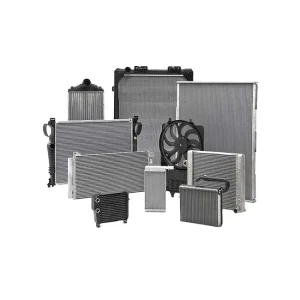
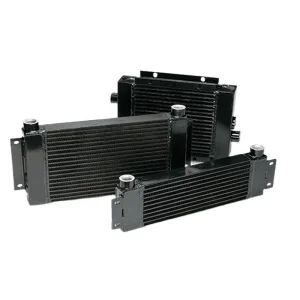
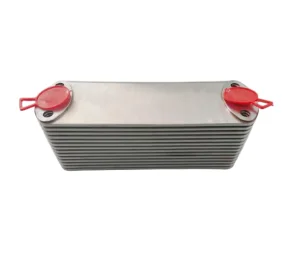
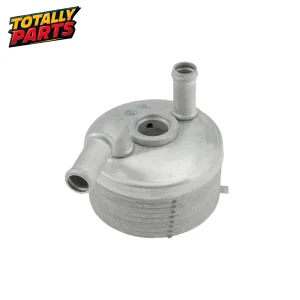
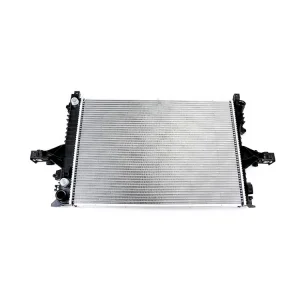
Explore our extensive range of high-performance replacement radiators, condensers, water pumps, and oil coolers engineered for global vehicle lines and specialized industrial applications.
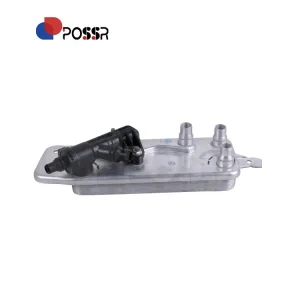
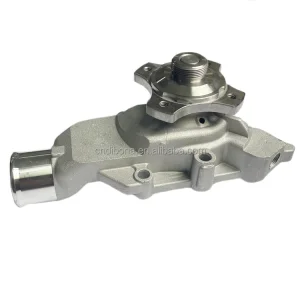
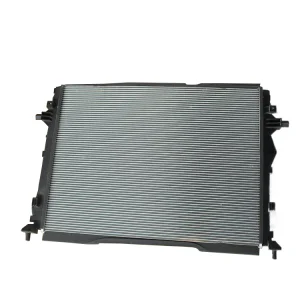
Expert insights addressing key design, procurement, and durability issues for cooling components in the Middle East.
Standard sizing relies on standard temperature conditions (usually 25°C to 30°C). When operating in ambient conditions of 50°C+, the temperature differential (ΔT) decreases. This requires larger heat exchanger surfaces, higher fin density, and increased airflow velocity to maintain the necessary heat transfer rate.
We design specialized fin pitches with wider spaces and a straight-through flow geometry. This configuration helps prevent micro-fine sand particles from lodging in the cooling core, allowing dust to pass through rather than blocking the heat exchanger paths.
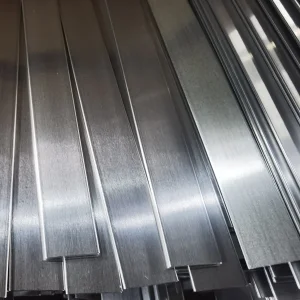
We utilize high-quality Al-Mn (Aluminum-Manganese) alloys from the 3000 series as base materials. These are treated with electro-deposition (ED) coatings and corrosion-resistant powder coatings to guard against atmospheric salt, moisture, and road contaminants.
For custom configurations, design verification and prototyping take approximately 15-20 days, followed by mass production. Ocean shipping from Guangzhou Port to Dammam or Jeddah takes between 18 to 25 days, depending on route conditions.
Connect directly with the Guangzhou Yihe Auto engineering team to discuss custom production runs, bulk pricing, and specialized designs for Middle Eastern markets.
Send Inquiry Now Yihe Auto