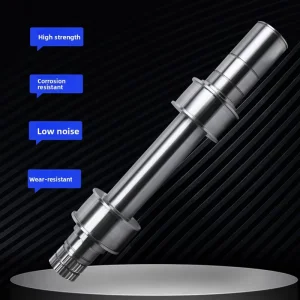
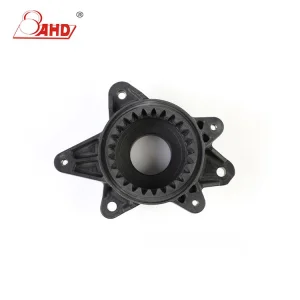
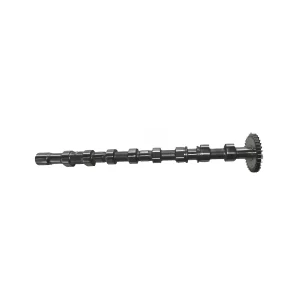
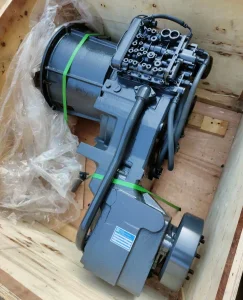
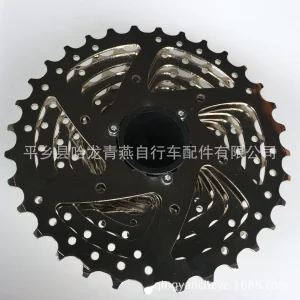
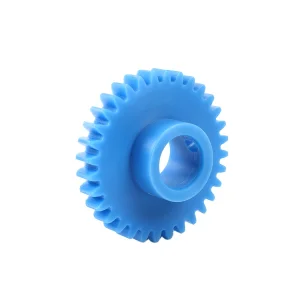
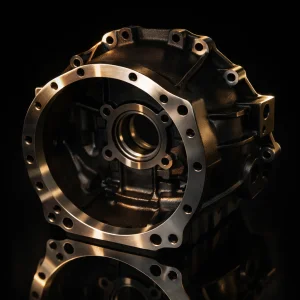
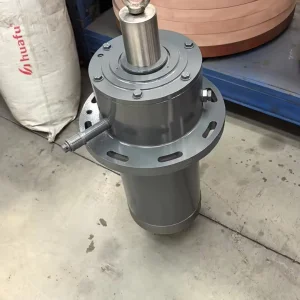
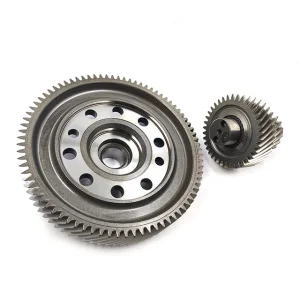
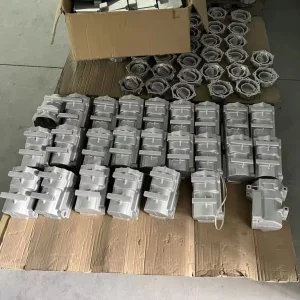
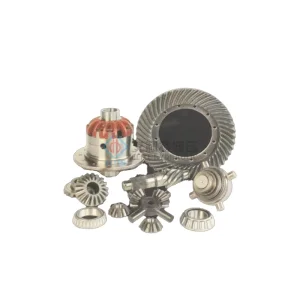
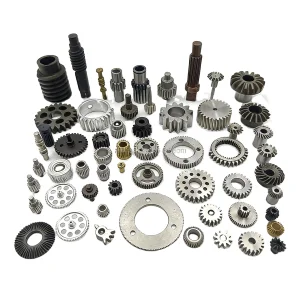
Finland represents a highly sophisticated market for drivetrain components, characterized by the rigorous demands of the forestry, mining, and renewable energy sectors. Operating in sub-arctic conditions requires materials and manufacturing precision that can withstand extreme thermal cycling and high-torque loads. Our drivetrain solutions are engineered not just for standard operation, but for the "Sisu" spirit of Finnish machinery—reliability that never quits.
In the globalized automotive and industrial parts ecosystem, Chinese manufacturing—when executed with IATF 16949 and ISO 9001 certifications—offers an unbeatable ratio of resilience, scalability, and cost-efficiency. Our factory integrates advanced CNC technology with a deep understanding of metallurgy to deliver components that rival top-tier European counterparts.
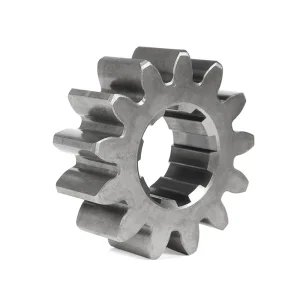
We recognize that Finnish enterprises prioritize supply chain stability. Our factory has invested in multi-stage quality control, utilizing CMM (Coordinate Measuring Machines) for every batch. We ensure full material traceability, from raw 20CrMnTi alloy steel stock to the final hardened gear, meeting all EU regulatory compliance standards for industrial machinery imports.
Adapting traditional mechanical drivetrain designs for the high-torque, instant power delivery found in next-gen electric construction vehicles.
Implementing IoT sensors in our manufacturing lines to monitor tool wear in real-time, ensuring zero-defect production cycles.
Transitioning toward carbon-neutral production processes to support our Nordic partners' sustainability goals and ESG requirements.
We utilize specialized heat treatment processes and low-temperature ductile iron/steel alloys that prevent brittleness in sub-zero temperatures, ensuring the integrity of your drive system in harsh Finnish winters.
Absolutely. Our "Agile Manufacturing" line is specifically configured for low-to-medium volume, high-precision prototyping, allowing for rapid iteration before full-scale production orders.
We maintain streamlined logistics channels via rail (China-Europe Railway Express) and sea freight, with optimized customs documentation protocols to minimize clearance delays at Finnish ports.
 Yihe Auto