Direct access to primary electrical components, high-current assemblies, and liquid-cooled infrastructure optimized for local Canadian OEM integrations.
The Greater Toronto Area (GTA) and the wider Southern Ontario region serve as the heart of Canada’s automotive manufacturing cluster. Home to assembly plants from five global automotive manufacturers—including General Motors, Ford, Stellantis, Toyota, and Honda—the regional corridor produces over 1.4 million vehicles annually. This massive production capacity is supported by a robust Tier-1 supply network that excels in manufacturing and precision engineering, positioning Toronto as a vital hub for high-performance automotive electrical systems.
As the industry undergoes a structural transition toward electric vehicles (EVs) and software-defined cars, Toronto has emerged as a key center for development in next-generation automotive electronics. The region bridges the gap between traditional mechanical engineering and modern software intelligence, leveraging proximity to the Waterloo technology cluster. This integration of software engineering, advanced sensors, and high-voltage electrical distribution networks allows Toronto-based manufacturers to pioneer solutions that address the evolving demands of global OEMs.
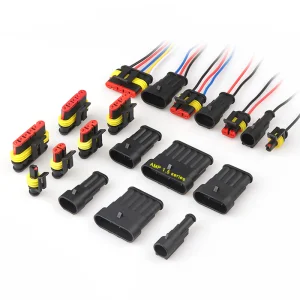
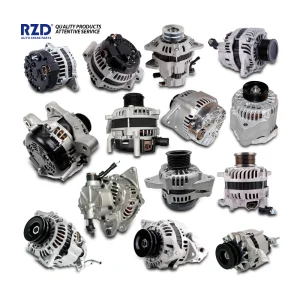
Under the United States-Mexico-Canada Agreement (USMCA), automotive manufacturers must comply with strict Rules of Origin (ROO) requirements. Specifically, passenger vehicles must meet a 75% Regional Value Content (RVC) threshold to qualify for tariff-free trade within North America. This regulation has intensified local sourcing demands for key electrical components, such as custom wiring harnesses, high-output alternators, ignition coils, and robust connector assemblies. Toronto’s manufacturing base, integrated with Tier-1 logistics networks, provides a reliable and compliant option for OEMs seeking to minimize trade friction while maintaining high product quality.
Proximity to key border crossings, such as the Windsor-Detroit corridor, enables JIT (Just-In-Time) shipping programs. This reduces lead times to less than 24 hours for major assembly lines in Michigan, Ohio, Indiana, and Illinois, providing a distinct geographic advantage over overseas suppliers.
Procurement teams at major automotive brands and large-scale aftermarket distributors look for three key attributes when choosing electrical parts manufacturers: strict adherence to international quality standards, manufacturing consistency, and supply chain transparency. Sourcing automotive electrical components requires navigating complex certifications, production capacities, and reliability testing.
For any manufacturer entering the Tier-1 supply chain, holding the IATF 16949 certification is a prerequisite. This standard aligns international automotive quality standards with a strong focus on defect prevention, variation reduction, and supply chain optimization. Sourcing departments also require components to pass rigorous testing procedures before production approval:
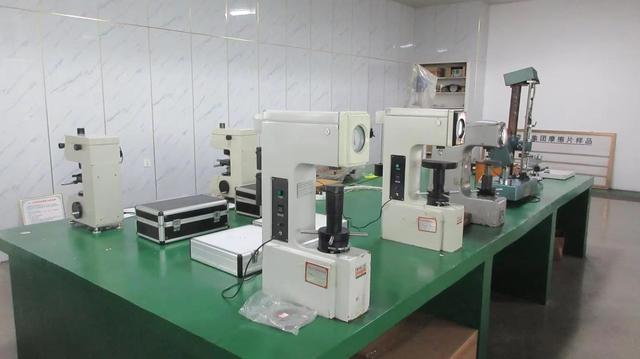
Modern electrical subsystems must also meet standard automotive testing specifications. Connectors and wiring harnesses are subjected to environmental stress tests, such as thermal cycling from -40°C to 125°C, high-pressure spray resistance (IP69K), and multi-axis mechanical vibration. Alternators, starters, and ignition coils undergo electromagnetic compatibility (EMC) testing to ensure they do not interfere with adjacent safety systems, such as ADAS sensors, radar systems, and the vehicle's central CAN/LIN networks.
Automotive electrical components no longer operate in isolation. The modern vehicle is a complex network of interconnected systems, requiring seamless integration between power generation, distribution, and consumption units. Toronto's engineers and manufacturers focus heavily on system-level performance, creating products that maximize overall system efficiency and vehicle reliability.
The rise of high-voltage vehicle architectures (ranging from 48V mild-hybrid configurations to 800V battery electric vehicle platforms) has changed the design requirements for wiring harnesses and distribution blocks. Wiring systems must handle high currents while preventing electromagnetic interference (EMI) and managing thermal buildup. High-voltage harnesses utilize advanced copper-alloy and aluminum wiring wrapped in specialized shielding layers to block emissions that could degrade communication signals on adjacent CAN, LIN, or Automotive Ethernet lines.
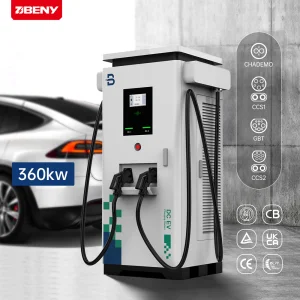
As electric vehicles gain market share in Southern Ontario, charging infrastructure requires advanced thermal management solutions. Standard air-cooled DC fast chargers often experience thermal throttling when delivering currents above 200A, which extends charging times. By contrast, liquid-cooled charging systems utilize specialized coolant loops flowing through the cable and connector, keeping temperatures within optimal ranges even at continuous charging rates up to 360kW. This approach allows passenger vehicles and commercial trucks to regain up to 80% charge in under 15 minutes, which is essential for fleet operators aiming to minimize downtime.
In high-vibration, high-moisture environments, material selection is key. Using glass-fiber-reinforced polyamide (PA66) housings provides excellent dimensional stability and heat resistance up to 150°C. When paired with high-conductivity brass contacts coated with silver or gold plating, these assemblies maintain low contact resistance and prevent galvanic corrosion, ensuring reliable connections over a 15-year vehicle lifespan.
The automotive industry is evolving rapidly, driven by the shift toward electrification, software-defined vehicles, and autonomous driving. Manufacturers supplying the Toronto automotive cluster are aligning their product roadmaps with several key technological trends:
Traditional 12V electrical systems are reaching their physical limits under the load of modern safety sensors, infotainment consoles, and active suspension systems. Transitioning to a 48V auxiliary bus allows automakers to reduce wire diameter, which decreases overall harness weight. This voltage upgrade also makes it possible to integrate advanced technologies like electric power steering, active anti-roll bars, and high-efficiency electric cabin heaters without requiring excessively thick wiring.
As Level 2+ and Level 3 autonomous driving systems become more common, power distribution networks require built-in redundancy. Primary sensors—such as LiDAR, radar, and cameras—must connect to dual-channel power sources. If a primary circuit fails, smart solid-state switches must transition the load to a secondary backup power line in microseconds to ensure uninterrupted driver-assistance functions.
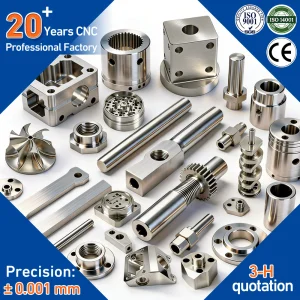
High-power electronics, including inverter housings, converter frames, and battery enclosures, require precise manufacturing to protect sensitive internal circuitry. Using custom multi-axis CNC milling and turning allows manufacturers to produce aluminum and stainless steel components with tolerances as tight as ±0.005mm. These tight tolerances ensure tight environmental seals, preventing moisture ingress and protecting the electronics inside from dust and chemicals over long periods of use.
Operating in the Canadian market requires adherence to specific regional regulations and environmental testing. The harsh Canadian climate—characterized by sub-zero winter temperatures and the heavy use of road salt—requires automotive parts to meet strict durability standards.
Electrical components mounted underneath the chassis or in the engine bay must pass demanding environmental testing, including:
All imported and locally manufactured electrical components must meet national safety and environmental laws. In Canada, vehicle electrical components must comply with standards set by the Canadian Standards Association (CSA) and Underwriters Laboratories (UL). Furthermore, compliance with the Restriction of Hazardous Substances (RoHS) and Registration, Evaluation, Authorisation and Restriction of Chemicals (REACH) is required to prevent the use of restricted heavy metals (such as lead, cadmium, and mercury) in wiring harnesses and electronic boards, facilitating global distribution.
Working with manufacturers who offer local warehousing and logistics support in the Greater Toronto Area helps distributors reduce safety stock requirements. Local inventory availability mitigates ocean shipping delays, ensuring a reliable supply of parts to meet changes in assembly schedules.
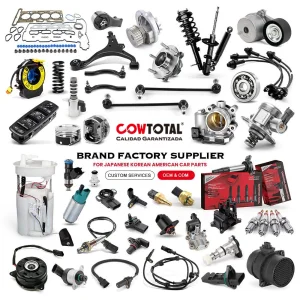
Guangzhou Yihe Auto Co., Ltd. is a specialized manufacturer of engine components, suspension assemblies, and automotive electrical systems. By combining high-volume production facilities in China with logistics and engineering networks that serve the Greater Toronto Area, the company provides a reliable sourcing option for distributors and aftermarket buyers across Canada.
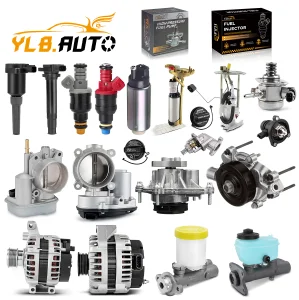
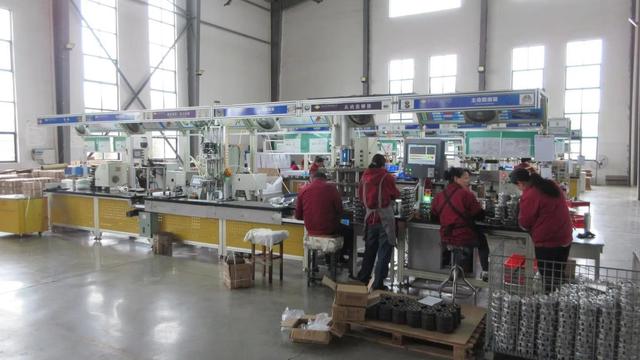
Yihe Auto's production facilities operate modern automated assembly lines, high-precision CNC machining centers, and automated optical inspection (AOI) systems. The company specializes in manufacturing ignition coils, starter assemblies, high-output alternators, and custom wiring harnesses designed to meet the quality requirements of North American vehicle platforms.
Yihe Auto offers flexible OEM and ODM services to support custom component development. The company's engineering team works closely with clients through every phase of the project, including CAD modeling, rapid prototyping, tool design, and final production validation. This collaborative process ensures that customized parts meet all specified dimensional, material, and electrical requirements, providing a seamless fit for vehicle manufacturers and aftermarket distributors.
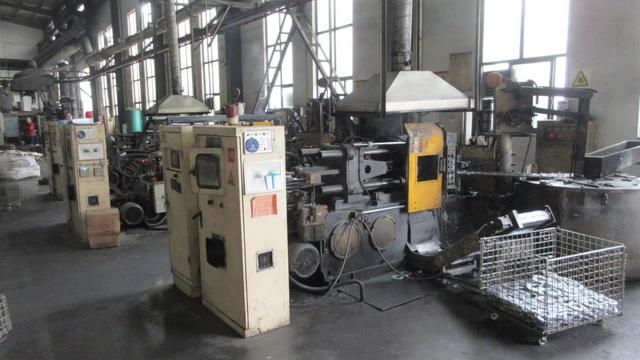
By using premium raw materials, such as German-sourced PA66 resins and high-grade copper wiring, Yihe Auto ensures its parts perform reliably under the cold winter conditions typical of the Canadian market. This focus on durability, combined with competitive pricing and responsive local logistics coordination, makes Yihe Auto a valuable supplier for Toronto-based buyers seeking to optimize their supply chains.
High-performance starters, custom wire harnesses, and precision-machined elements optimized for global passenger fleets and heavy-duty trucks.
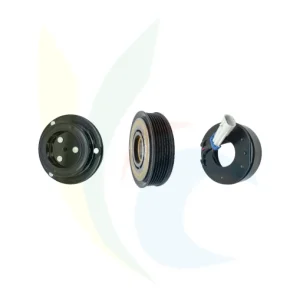
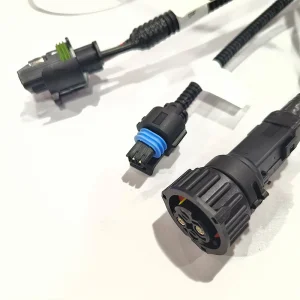
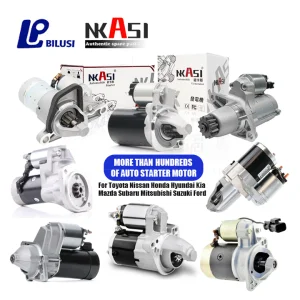

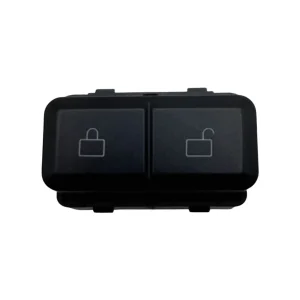
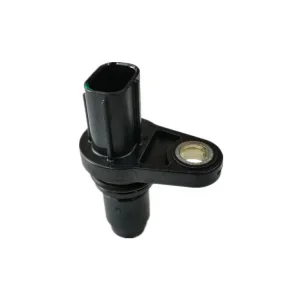
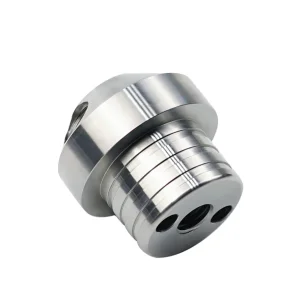
Supplementary electronic ignition, control solenoids, and specific parts designed to match exact OE dimensions and functional standards.
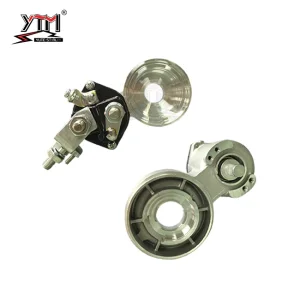
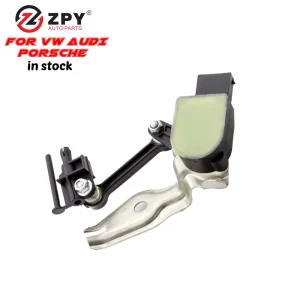
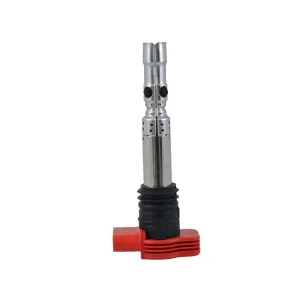
Deep insights into procurement, engineering compliance, and supply chain logistics for the Toronto market.
To supply OEMs and Tier-1 automotive integrators in Ontario, manufacturers must hold a valid IATF 16949 certification. For aftermarket distribution networks, electrical units must comply with Canadian safety frameworks (CSA or UL standards) and meet RoHS/REACH requirements to ensure no restricted hazardous materials are used in construction.
Canada's severe winter conditions expose vehicles to high levels of road salt and extreme temperature shifts. Consequently, wiring harnesses and connectors must utilize glass-fiber-reinforced PA66 housings and meet IP69K sealing standards to prevent moisture ingress. They are also subjected to ASTM B117 salt spray tests for up to 1,000 hours to verify corrosion resistance.
For custom components, the initial prototyping and engineering validation phase (PPAP) typically takes 4 to 8 weeks. Once approved, mass production requires 3 to 4 weeks. Transit times to Toronto vary depending on the shipping method, with air freight taking 5 to 7 days and ocean freight to Eastern Canadian ports requiring 4 to 6 weeks.
Yes. We collaborate closely with Canadian Tier-1 suppliers to ensure that the assembly location, material sourcing, and value-added processing meet USMCA Rules of Origin guidelines. This coordination helps local manufacturers satisfy the 75% Regional Value Content (RVC) requirement for tariff-free trade.
Yihe Auto utilizes a comprehensive quality management system that includes automated optical inspection (AOI) on the assembly line, computerized testing of starter and alternator performance, and strict raw material verification. The company also generates full PPAP documentation for each part number to ensure manufacturing consistency.
To start a project, clients supply CAD files (STEP, IGES, or DWG formats) detailing dimensions, tolerances, and material specifications. Yihe Auto's engineering team then performs a Design for Manufacturing (DFM) review and provides a cost estimate. Following quote approval, sample production begins for client verification.
 Yihe Auto