Diesel Particulate Filter (DPF) Technology
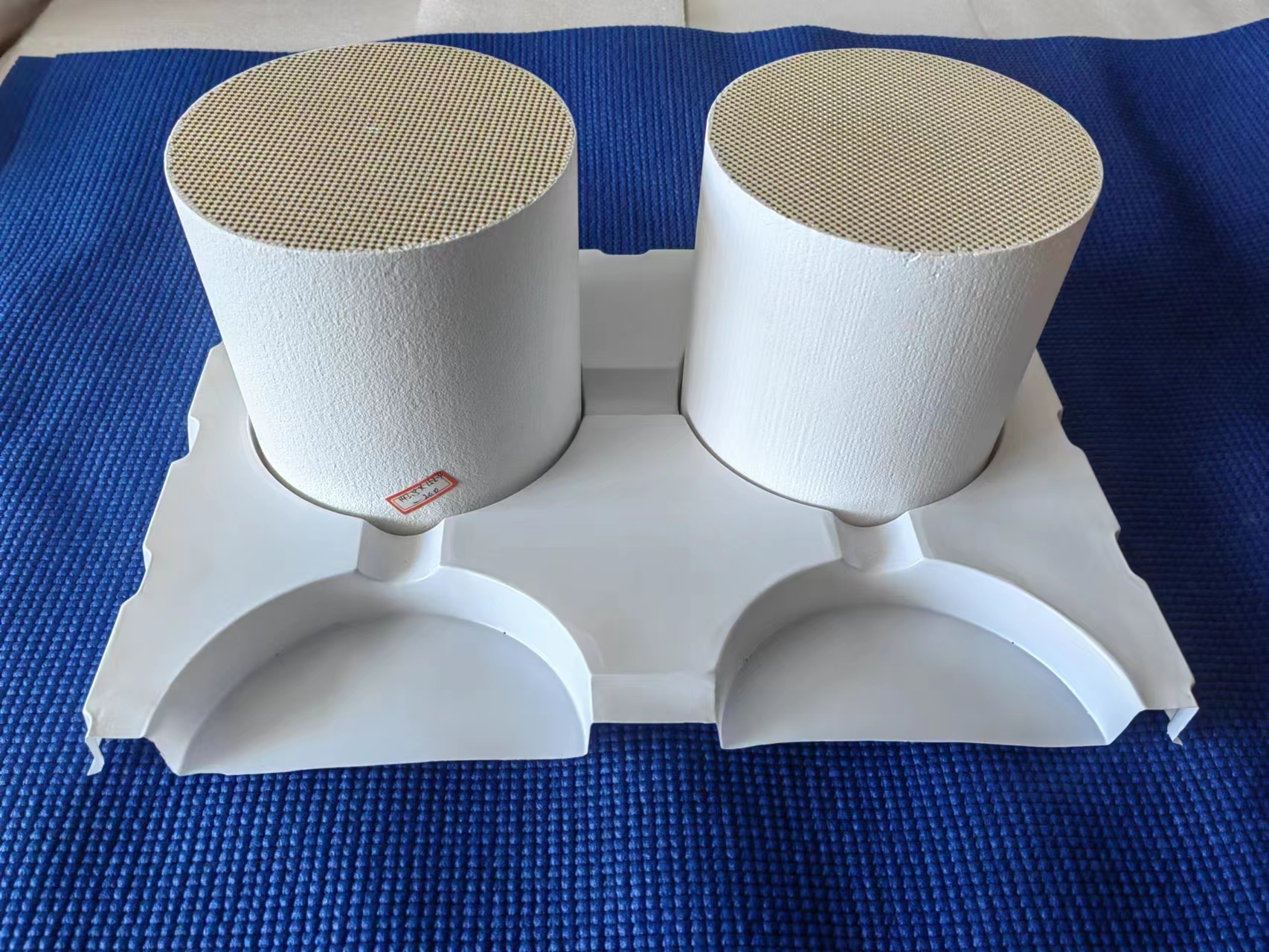
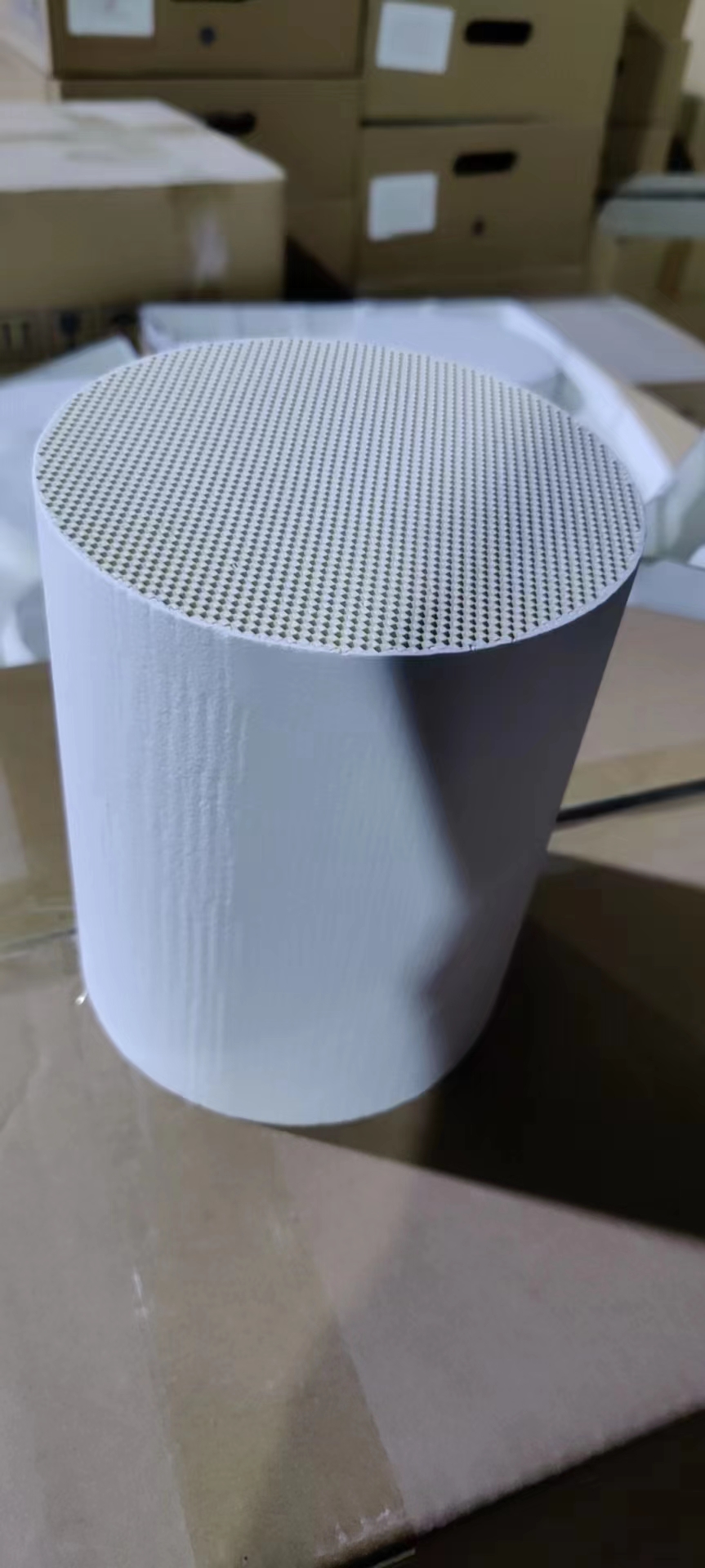
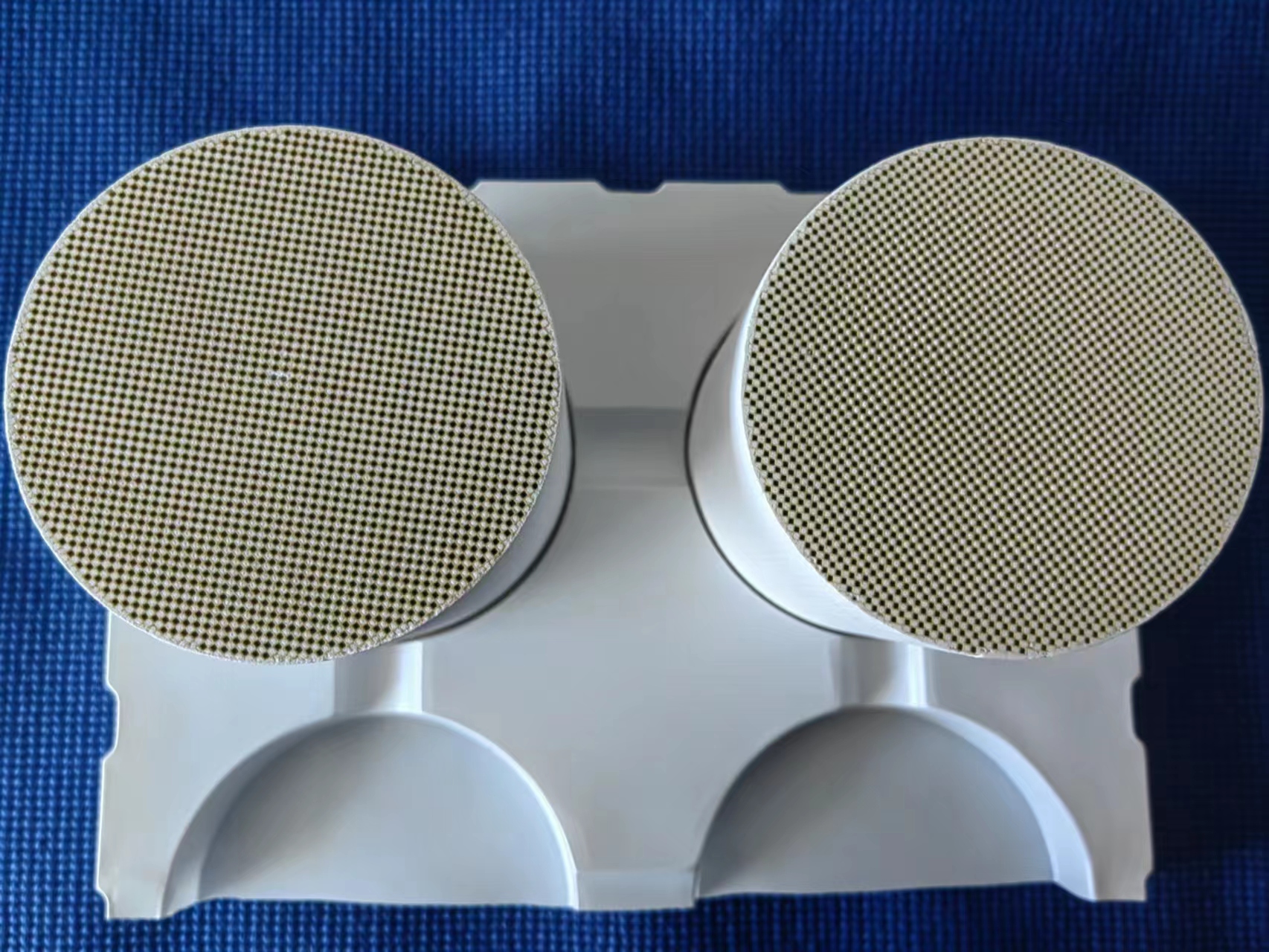
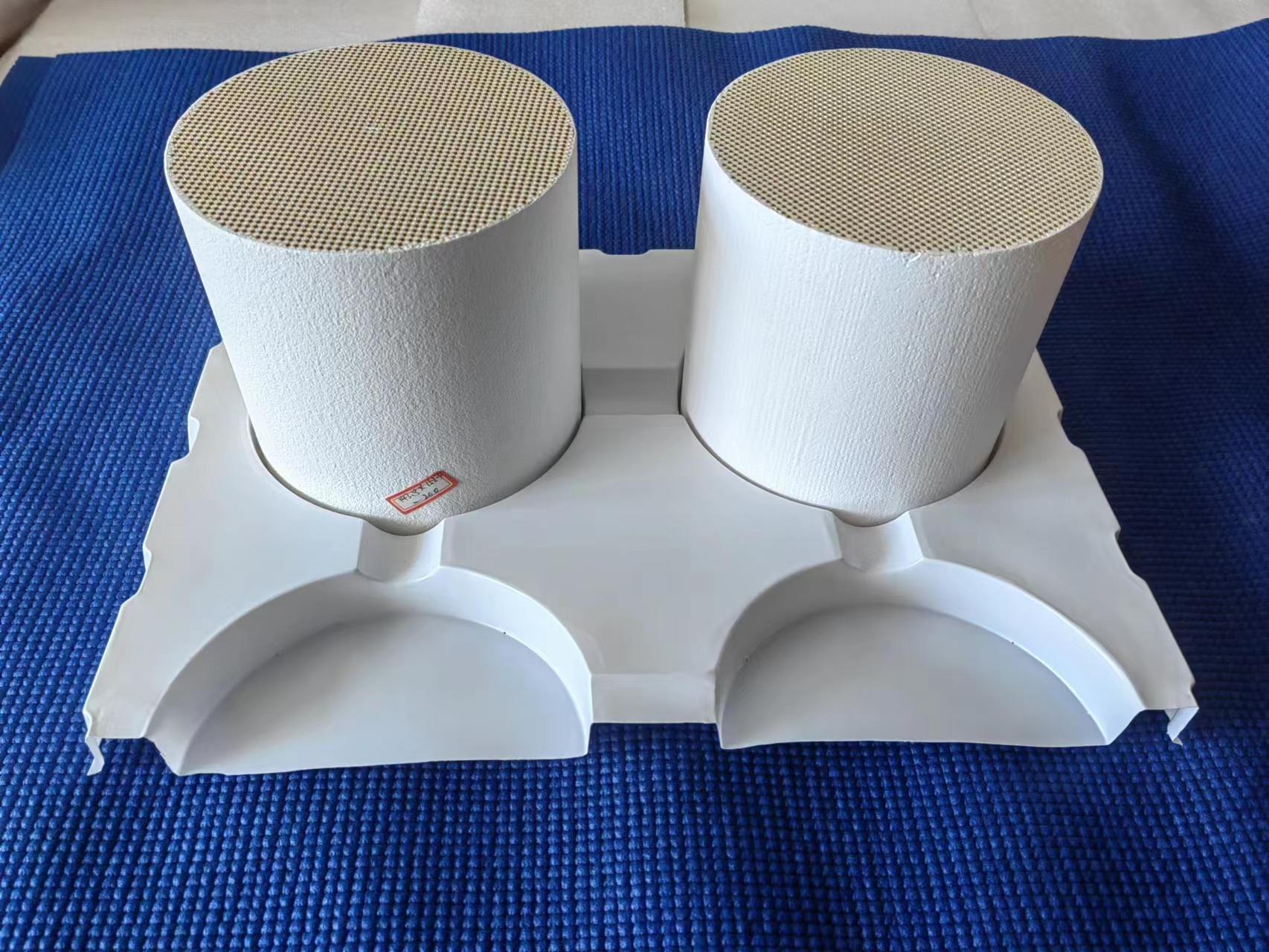
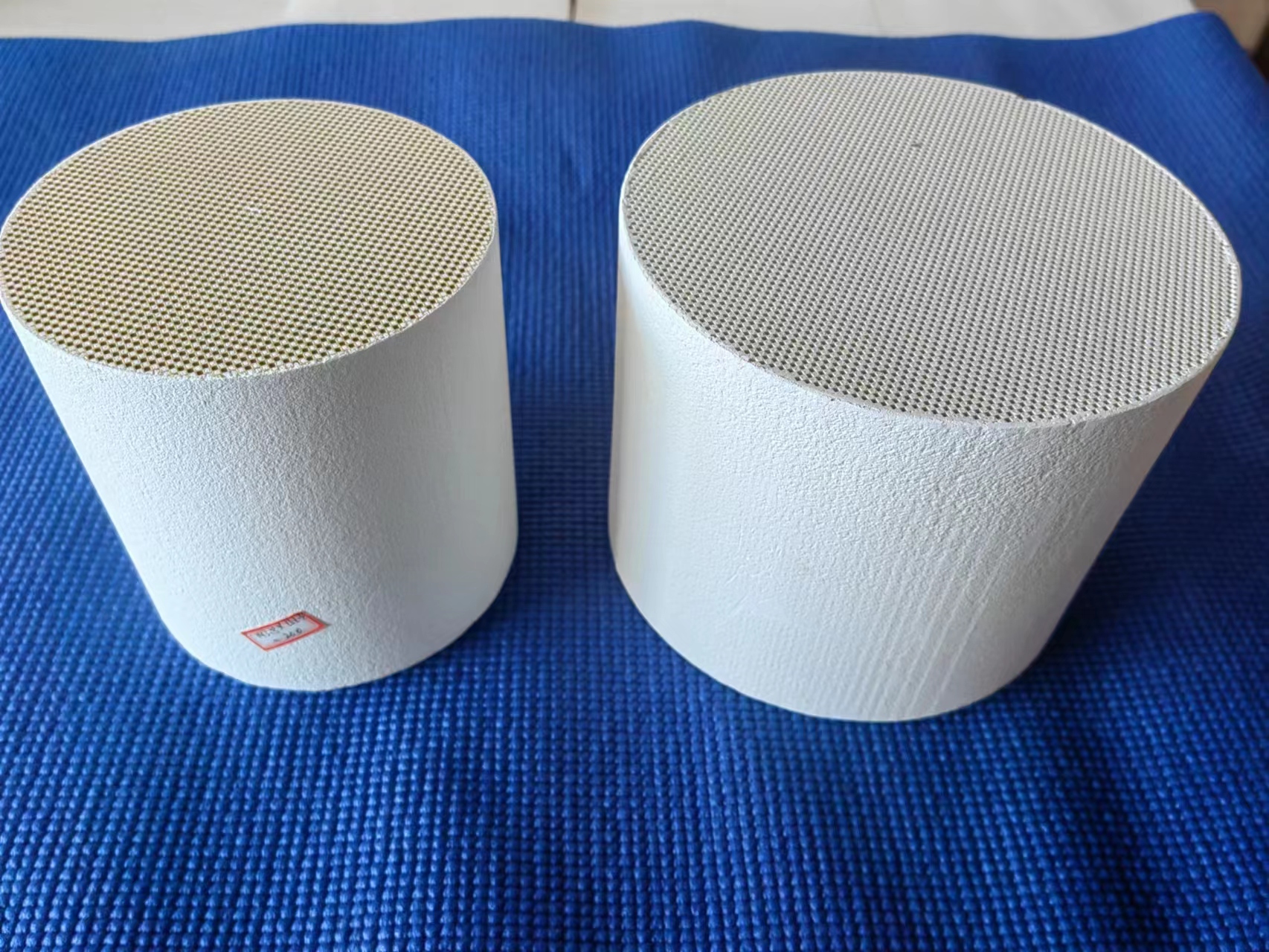
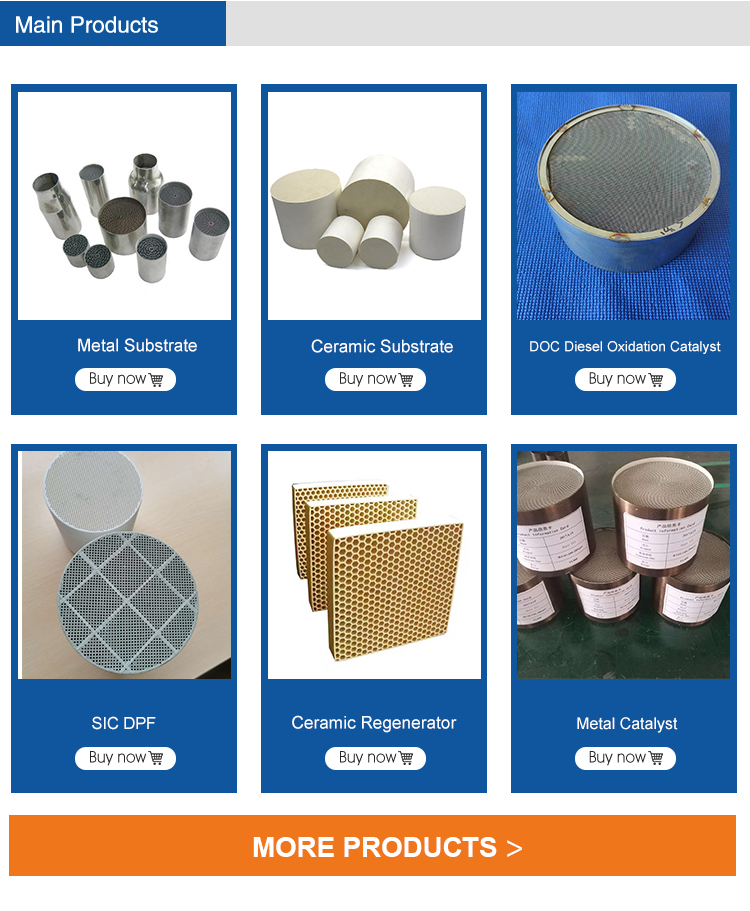
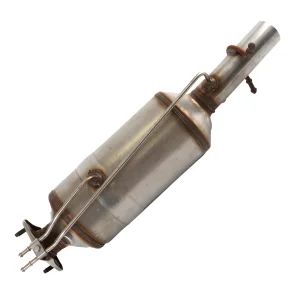
DPF diesel particulate filter used as catalytic converters of gasoline engines, the honeycomb ceramic catalyst substrates are coated by catalyst. At the same time, we improve the specific surface areas and cut down the heat capacity to increase the catalytic function. When the noxious emissions pass through, HC, CO and NOX will be converted into harmless components.
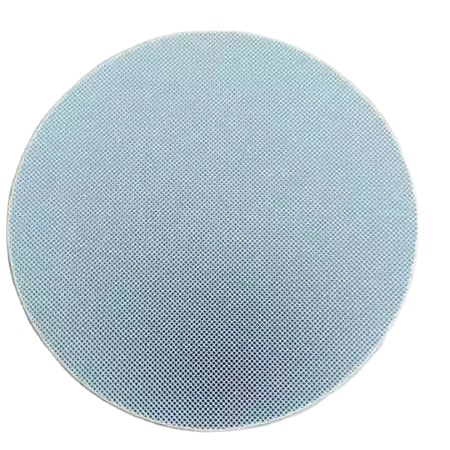
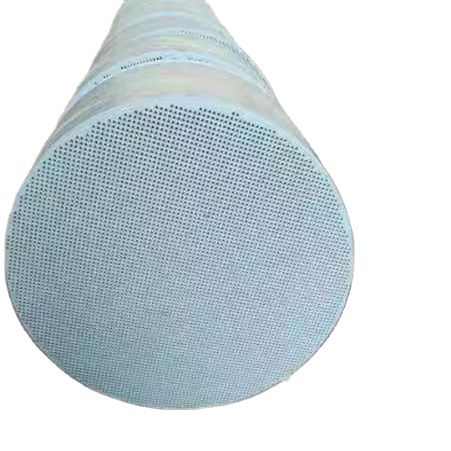
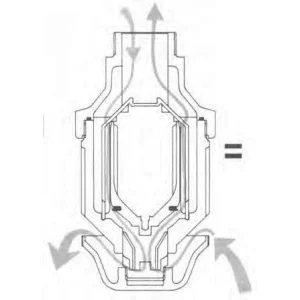
Diesel particulate filter is also called Diesel Particulate Filter (DPF). The main composition of tail gas discharge from diesel is carbon particulates. Cordierite Diesel particulate filter adopt cordierite as its material. Its main compositions are SiO2, AL2O3 and MgO. Working principle of particulate filter: Plugging up two ends of porous beehive ceramic in turns to filtrate PM by ceramic wall.
Key Features & Substrate Capabilities
-
High Specific Surface Area: Ensure exhaust gas could contact weigh catalyst enough.
-
Stable Water Absorption: Guarantee catalyst could be firmly and evenly coated on the surface of substrate, so it's no waste to the thick coating.
-
Flexible Configurations: We can provide honeycomb ceramic substrate coated and non-coated with noble metal.
-
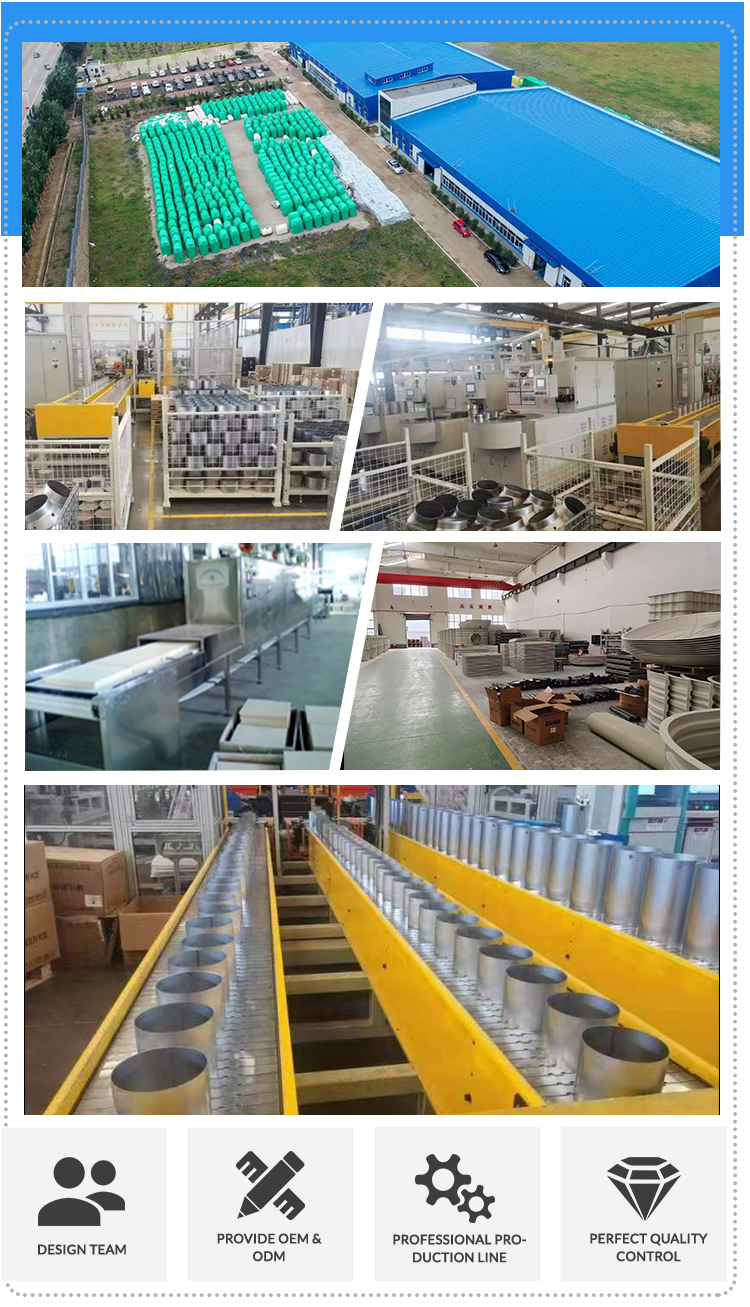
Customized Manufacturing: We can produce the honeycomb ceramic series with different shapes and sizes according to requirements.
Frequently Asked Questions (FAQ)
What materials are used for the diesel particulate filter (DPF)?
The filter is primarily made of Silicon Carbide or Cordierite. For the Cordierite option, the main chemical compositions are SiO2, AL2O3, and MgO.
How does the honeycomb ceramic substrate work to filter particulates?
It works by plugging up the two ends of the porous beehive ceramic channels in turns, which forces the exhaust gas through the ceramic walls and filters out the carbon particulates (PM).
Are the honeycomb ceramic substrates coated with noble metals?
Yes, we can provide honeycomb ceramic substrates both coated and non-coated with noble metal catalysts based on your requirements.
Can the size and shape of the ceramic filter be customized?
Yes, we accept OEM requests and can customize the series into different shapes and sizes to match your specific system requirements.
Why is the water absorption capability of the substrate important?
Stable water absorption ensures that the catalyst can be firmly and evenly coated on the surface of the substrate, preventing waste and ensuring optimal performance.
What is the monthly production capacity for this product?
Our current production capacity is up to 100,000 pieces per month to meet large-scale global automotive requirements.
 Yihe Auto