High-performance components manufactured to exact OEM specifications, serving commercial fleets, industrial equipment, and passenger vehicles globally.
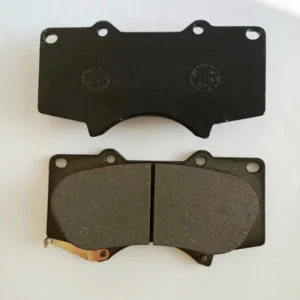
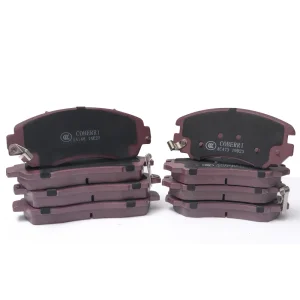
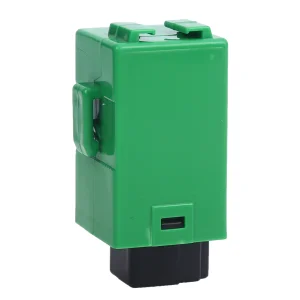
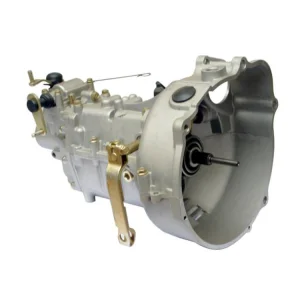
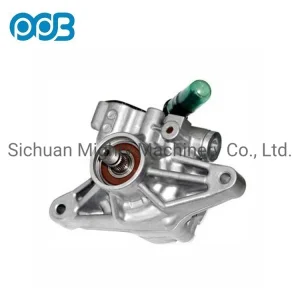
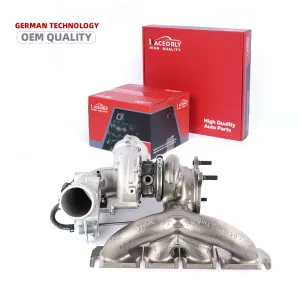
Guangzhou Yihe Auto Co., Ltd. is dedicated to providing high-quality automotive components and customized manufacturing solutions for global vehicle manufacturers, distributors, wholesalers, and aftermarket suppliers. With years of industry experience, the company serves a wide range of automotive sectors, including passenger vehicles, commercial trucks, electric vehicles, and industrial transportation equipment.
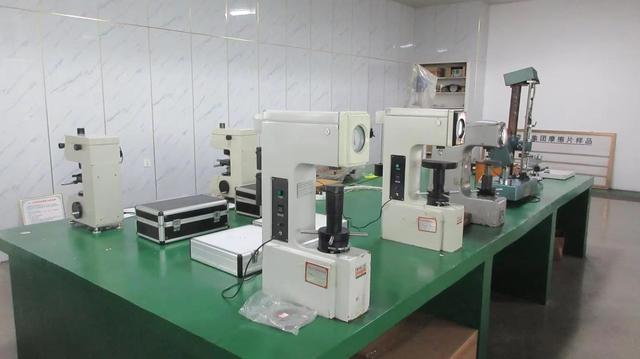
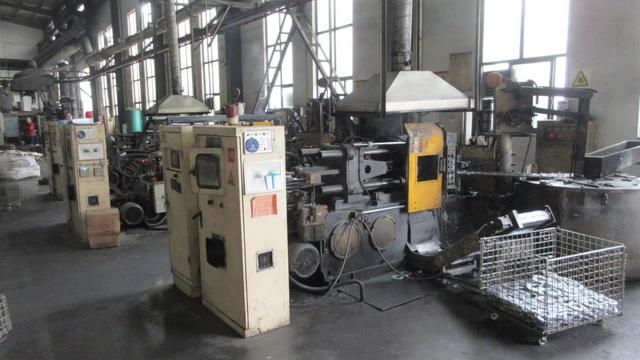
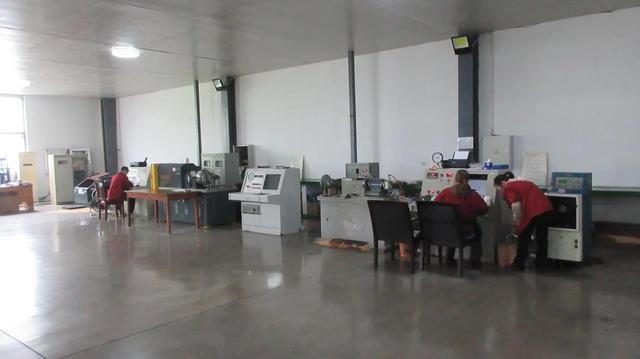
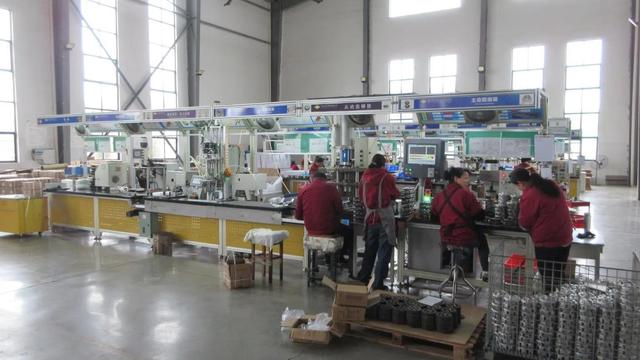
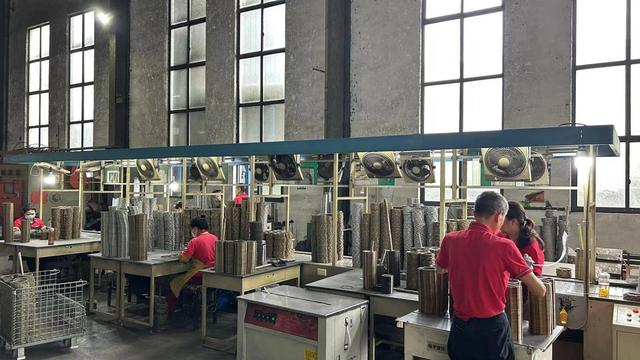
Located in Guangzhou, China, Yihe Auto operates modern production facilities equipped with advanced machining equipment, automated manufacturing lines, and comprehensive quality inspection systems. The company specializes in the development and production of engine components, suspension parts, steering system components, brake system parts, transmission components, chassis parts, automotive electrical systems, cooling system components, and various custom-engineered automotive solutions.
Quality, precision, and reliability are the foundation of the company's operations. Yihe Auto implements strict quality control procedures throughout every stage of production, from raw material sourcing and precision machining to assembly and final inspection. By utilizing advanced manufacturing technologies and high-performance materials, the company ensures that its products meet demanding industry standards for durability, safety, and long-term performance.
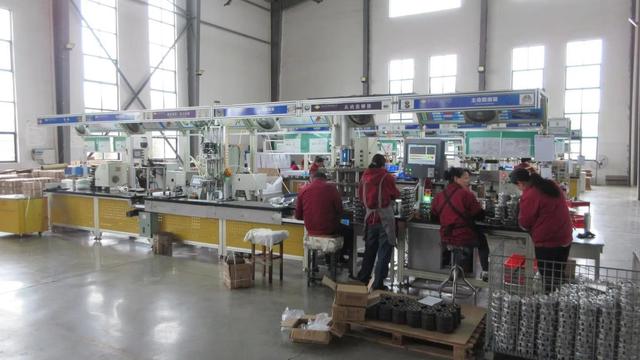
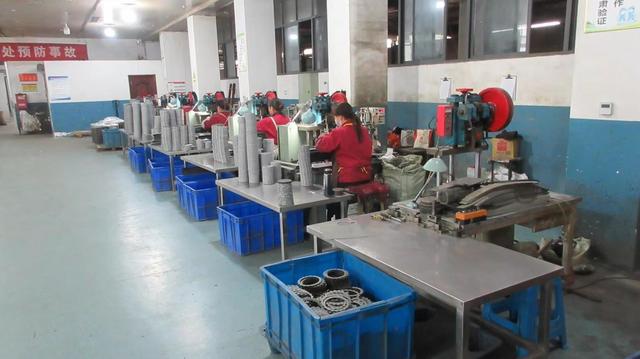
As the global automotive sector shifts toward stringent decarbonization and low-emission regulations, the catalytic converter industry is undergoing an unprecedented technological evolution. Under modern environmental frameworks, such as the European Union’s Euro 6d and upcoming Euro 7 standards, alongside the US EPA Tier 3 and California CARB mandates, the demands placed on catalytic converters have expanded beyond simple carbon monoxide and hydrocarbon mitigation.
Today's emission control devices must achieve near-complete conversion efficiency within seconds of cold start operations. This necessity is driving the adoption of high-cell-density substrates—ranging from 400 CPSI (cells per square inch) to 600 CPSI—and sophisticated catalyst coatings. The integration of Platinum (Pt), Palladium (Pd), and Rhodium (Rh) in precise chemical ratios, optimized via nanotechnology, ensures high thermal stability and chemical resistance against sulfur poisoning.
"The future of automotive emission control lies in the synergy between advanced raw materials and precise thermodynamic engineering. Metallic monoliths are increasingly favored in high-performance and heavy-duty sectors due to their lower backpressure and rapid thermal response, while ceramic honeycombs remain the industry standard for cost-effective, high-durability passenger car applications."
Additionally, the rapid growth of hybrid powertrains has introduced new thermal challenges. Hybrid vehicle internal combustion engines (ICEs) cyclically turn on and off, leading to lower average exhaust temperatures. Catalytic converter manufacturers are responding with electrically heated catalysts (E-catalysts) and advanced washcoat formulations containing oxygen storage components (OSC) based on ceria-zirconia mixed oxides. These innovations keep the catalyst active even during prolonged engine-off phases, guaranteeing continuous compliance.
For industrial buyers, Tier-1 automotive procurement departments, and large-scale importers, selecting a catalytic converter manufacturer is a multi-dimensional vetting process that prioritizes compliance, traceability, and supply-chain continuity. Global procurement managers base their strategic sourcing decisions on the following critical parameters:
Full alignment with CE markings, E-mark (ECE regulations), EPA guidelines, and IATF 16949 quality system standards is a non-negotiable entry barrier for European and North American markets.
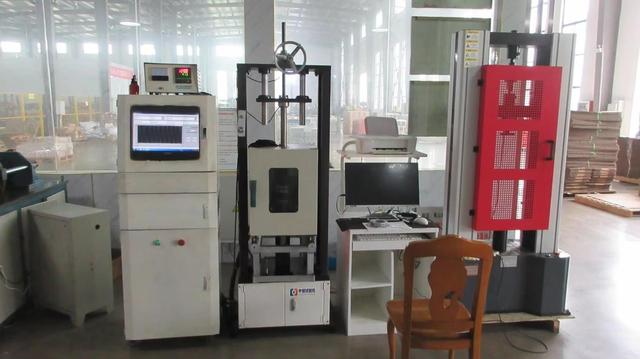
Sourcing teams require rigorous thermal shock testing (up to 1050°C) and structural vibration test profiles to ensure that the core substrate does not break or degrade under mechanical stress.
Accurate loading of precious metal catalysts (PGM loading validation) verified through X-ray fluorescence (XRF) and chemical assay reporting prevents catalytic degradation over the lifespan of the vehicle.
Furthermore, volatility in the precious metals market directly impacts unit costs. Successful buyers seek out manufacturers that offer transparent indexing of Platinum Group Metals (PGM) alongside flexible hedging options. Industrial-grade packaging, long-term anti-corrosion protective coatings, and automated robotic welding lines that ensure leak-proof canning assembly are also paramount for high-volume supply chains.
As a seasoned automotive systems manufacturer, Guangzhou Yihe Auto Co., Ltd. provides robust macro solutions designed to optimize entire vehicle fleets and aftermarket distributions. Rather than acting as a simple component producer, we coordinate key engineering and logistics processes into a cohesive supply chain ecosystem:
Navigating different customs requirements, regional product standards, and homologation processes is a complex task for global buyers. Guangzhou Yihe Auto Co., Ltd. provides dedicated compliance and logistical support teams to streamline your procurement path:
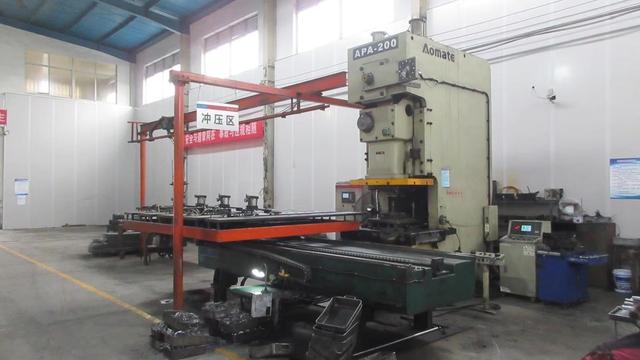
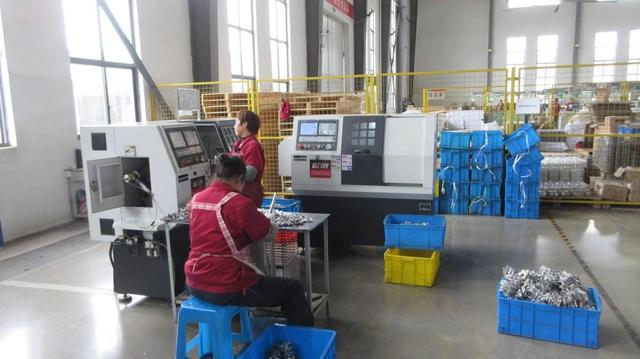
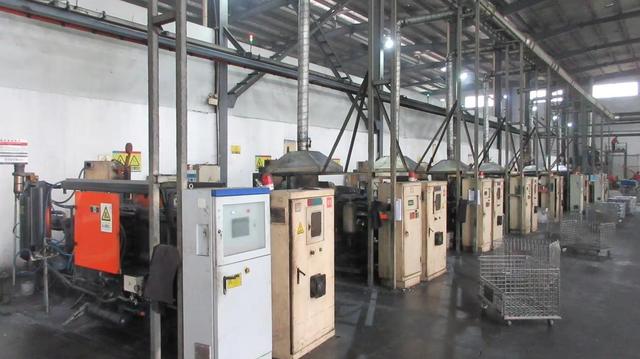
All of our export-grade catalytic converters undergo rigorous quality checks and are shipped with comprehensive testing certificates, including material chemical assays, leakage test logs, and homologation papers. We work with leading international shipping lines and logistics brokers to offer DDP, FOB, and CIF delivery terms, managing import tariffs, custom clearance requirements, and duty-drawback documentation processes for our clients.
Our commitment to sustainable progress shapes our R&D roadmap. We are actively developing next-generation exhaust gas solutions tailored to hybrid powertrains, hydrogen combustion systems, and zero-emission vehicles:
Technical and commercial purchasing insights for automotive professionals, distributors, and sourcing specialists.
CE certification proves that the catalytic converter conforms to all health, safety, and environmental protection standards required for products sold within the European Economic Area (EEA). This ensures the converter has undergone rigorous backpressure, emission reduction, and noise testing, and is fully compliant with regional road legislation.
Ceramic honeycombs (usually cordierite) are highly cost-effective and provide excellent thermal insulation, which helps retain heat for optimal chemical reactions. Metallic substrates (made of high-grade Fe-Cr-Al alloys) are thinner and physically stronger, allowing for lower backpressure, higher exhaust flow rates, and faster light-off times, making them ideal for high-performance and commercial vehicles.
We utilize automated, computer-controlled washcoat dosing machinery that measures precise quantities of platinum, palladium, and rhodium. Samples from every batch undergo non-destructive X-Ray Fluorescence (XRF) and destructive chemical assays to confirm catalytic density and dispersion uniformity across the monolith channels.
We support end-to-end customization, including structural outer canister dimensions, custom mounting brackets, sensor port placements, varied cell density (100 to 600 CPSI), tailored precious metal loading ratios, and brand marking via laser etching for complete traceability.
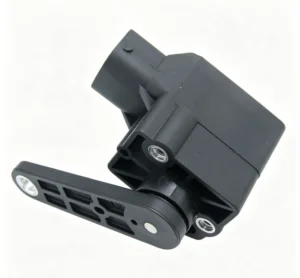
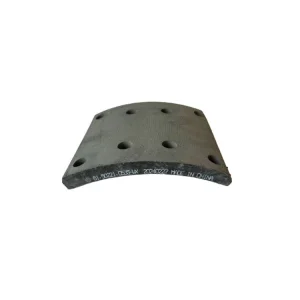
Explore our extended catalog of structural hardware, precision mounts, sensors, and steering gear engineered for severe duty cycles.

 Yihe Auto