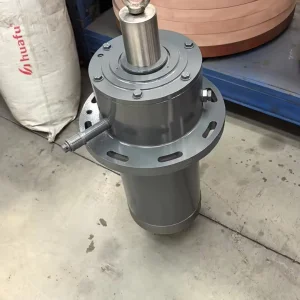
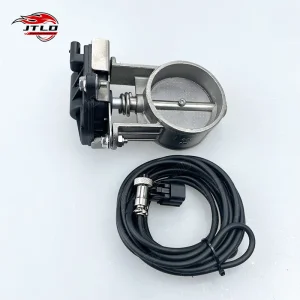
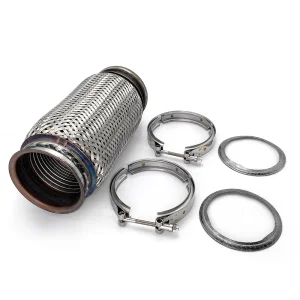
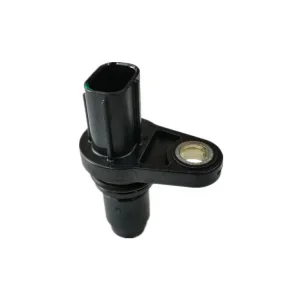
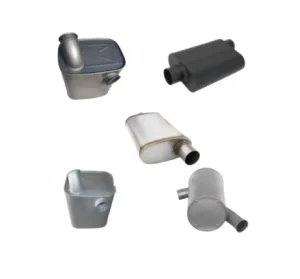
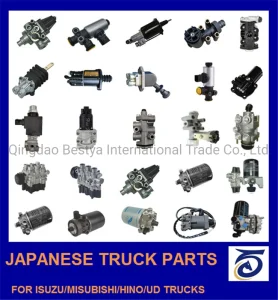
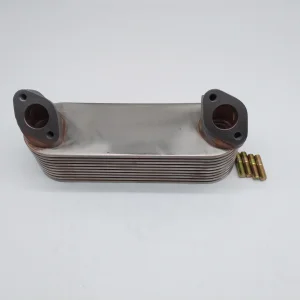
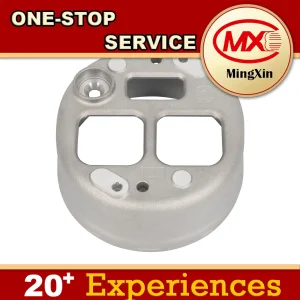
Explore our core industrial and mechanical solutions deployed across global manufacturing networks
In the contemporary automotive landscape, the cockpit has evolved from a purely functional compartment to a highly sophisticated extension of the user's living and digital workspace. Within this paradigm shift, OEM/ODM seat covers act as a critical touchpoint. No longer mere protective fabric wraps, modern seat covers integrate sensory acoustics, structural safety, environmental ergonomics, and advanced aesthetics. As a leading auto parts manufacturer, Guangzhou Yihe Auto Co., Ltd. leverages structural engineering, material science, and high-capacity manufacturing lines to deliver custom solutions for global vehicle marques and aftermarket platforms.
From an industrial perspective, developing a passenger or commercial vehicle seat cover requires managing complex mechanical tolerances, environmental stressors, and strict regulatory frameworks. For OEMs (Original Equipment Manufacturers) and ODMs (Original Design Manufacturers), selecting a supplier with verified capability in design, raw material synthesis, and process control is paramount to assuring long-term product durability and compliance. This document serves as a comprehensive whitepaper detailing our technological pathways, testing regimes, localized applications, and supply chain efficiencies.
Key Insight: The integration of advanced driver assistance systems (ADAS) and occupant-sensing diagnostics requires modern seat covers to be transparent to sensory matrices while maintaining structural integrity during dynamic deployments.
Providing manufacturing agility requires defining two distinct development paths. Our facilities are engineered to accommodate both systems with equal technological depth:
Under the OEM model, we work directly with manufacturer CAD assemblies, fabric blueprints, and physical parameters. Our engineers match the exact tensile strength, dimensional tolerances, and material configurations required by the automotive client. Key steps include:
For distributors and brand owners seeking custom branding, our ODM division provides full-cycle support. We analyze demographic demands, target market pricing, and vehicle fitment lists to create seat cover packages from scratch. This process leverages:
Computerized dual-thread tension monitoring systems verify exact thread-breakage pressure, ensuring safe side-airbag deployment.
Precision perforation layout accommodates integrated heating and active cooling systems without compromising structural density.
Utilizing high-performance eco-polyols, vegan leathers, and ocean-bound plastics to meet demanding ESG and carbon-neutral goals.
The core value of our OEM/ODM seat covers lies within their material architecture. Through continuous testing, we have established a proprietary material roadmap designed to withstand years of physical friction, chemical exposure, and intensive solar radiation.
Our polyurethane (PU) and PVC formulations are engineered at the molecular level to optimize elasticity, tensile performance, and touch. By incorporating cross-linked polycarbonates, we achieve high resistance to skin oils, hand creams, and common chemical cleansers. This prevents the peeling and cracking commonly seen in standard aftermarket covers.
Safety is critical for automotive interiors. All materials comply with FMVSS 302 (Federal Motor Vehicle Safety Standard No. 302) and European Union REACH regulations. Our chemical treatments do not rely on banned polybrominated diphenyl ethers (PBDEs). Instead, we use mineral-based, non-halogenated flame retardants integrated directly into the polymer matrix during raw extrusion.
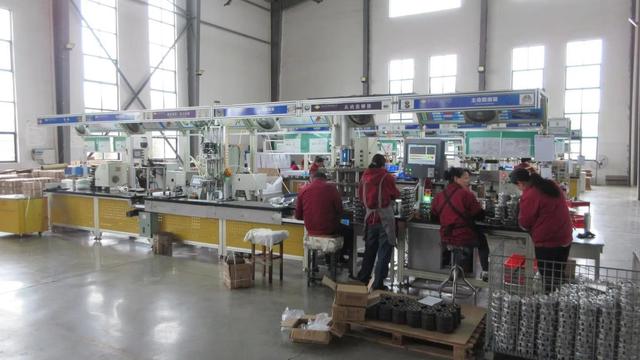
For seats equipped with side airbags, the seam sealing the airbag chamber must break instantly and reliably during a collision. Our factory utilizes specialized computerized sewing workstations. Each seam is monitored for speed, tension, stitch length, and thread type. The machine records this data for every individual seat cover, providing complete traceability linked to the product's barcode.
Automobile cabins experience vastly different stress profiles depending on geography, climate, and usage patterns. Our OEM/ODM designs are customized to address these specific environment challenges:
Intense solar radiation through windshields can raise cabin temperatures to over 80°C. Under these conditions, standard polymers experience rapid UV degradation, fading, and structural weakening. Our localized solution integrates Hindered Amine Light Stabilizers (HALS) and premium UV blockers, maintaining color fastness at Level 4.5+ on the gray scale after 500 hours of continuous Xenon-arc weatherometer testing.
In sub-zero temperatures, plastics and synthetic leathers often become brittle and crack under pressure. We utilize specialty plasticizers that maintain flexibility down to -40°C. This ensures that the material can bend and deform without micro-fracturing when occupants enter cold vehicles.
Taxis, delivery trucks, and ride-share vehicles experience constant ingress/egress wear. For these heavy-use environments, we supply seat covers with dual-layer heavy-duty fabrics rated for over 150,000 double rubs on the Martindale Abrasion Tester, featuring integrated anti-microbial coatings and hydrophobic barriers.
EV platforms prioritize lightweight materials to optimize battery range, combined with high acoustic damping to keep the cabin quiet without engine noise. We design low-density, open-cell foam backings that absorb high-frequency ambient noise while saving weight compared to traditional heavy composite layers.
Based in Guangzhou, China—a premier global automotive manufacturing cluster—Guangzhou Yihe Auto Co., Ltd. offers significant supply chain advantages that go beyond lower labor costs. We focus on efficiency, resilience, and technological integration:
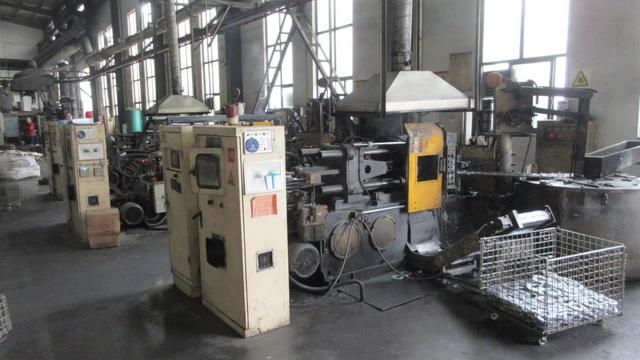
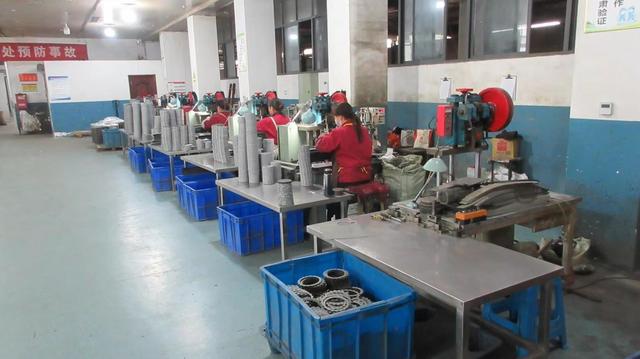
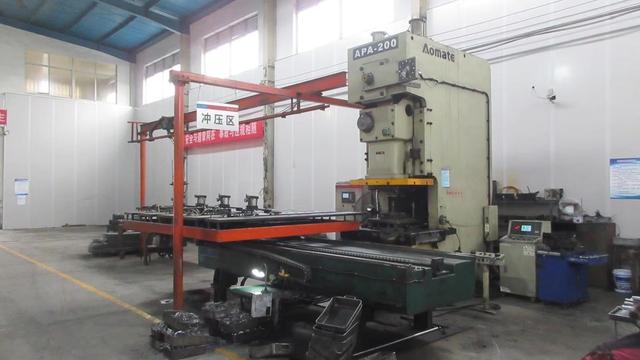
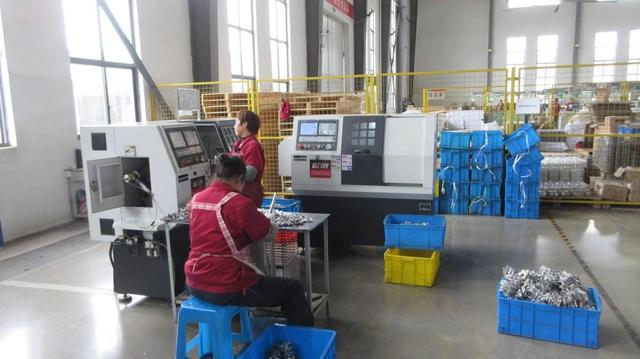
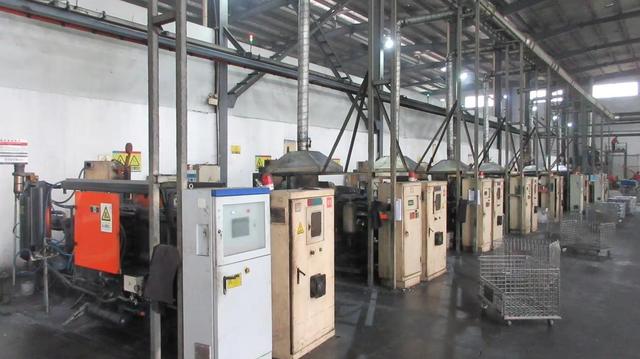
Our proximity to raw chemical manufacturers, precision alloy casting, and high-performance textile mills allows us to source raw materials quickly and economically. Because we manage everything from raw material processing to final product testing internally, we eliminate external logistical bottlenecks. This integrated approach is shown in our ability to design and manufacture components ranging from precision structural housings (such as ECU castings) to complex soft trims, keeping our supply chains reliable and efficient.
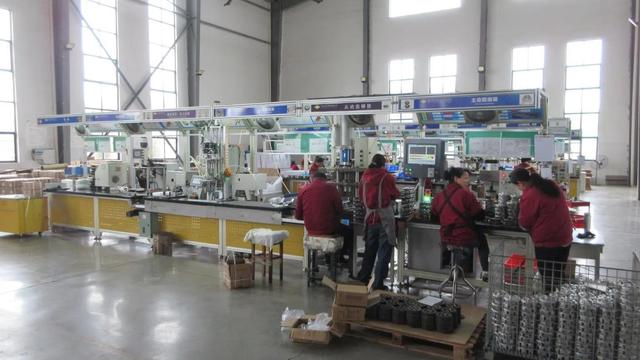
Our production floor features automated CNC fabric cutters, high-frequency embossing tools, and computerized pattern-sewing systems. These tools reduce human error, maximize yield per square meter of material, and lower production costs. These savings are passed directly to our clients through competitive volume pricing.
Our tooling workshop can design, mold, and calibrate new seat configurations in as little as 10 to 14 working days. By utilizing modular stamping dies and adjustable stitching jigs, we can switch production lines from passenger car designs to heavy commercial truck layouts with minimal downtime.
To successfully ship products internationally, a manufacturer must navigate a complex landscape of international standards and import regulations. We ensure hassle-free global shipping through comprehensive compliance programs:
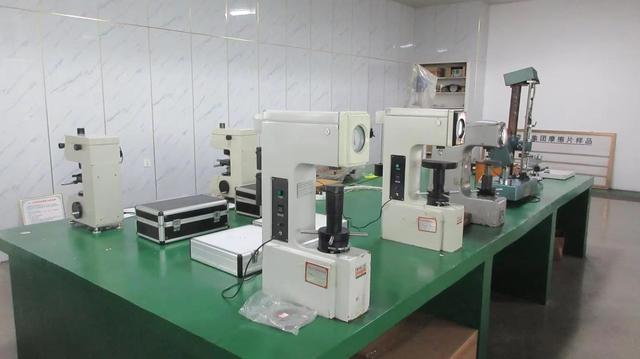
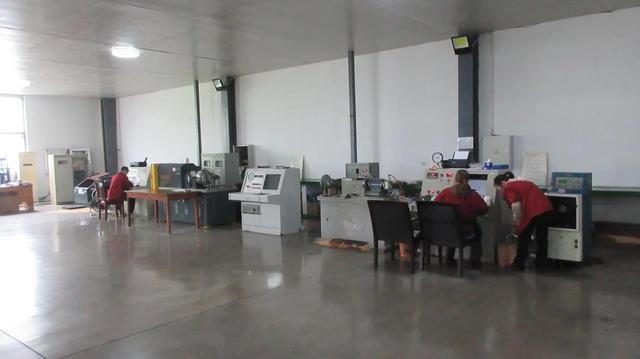
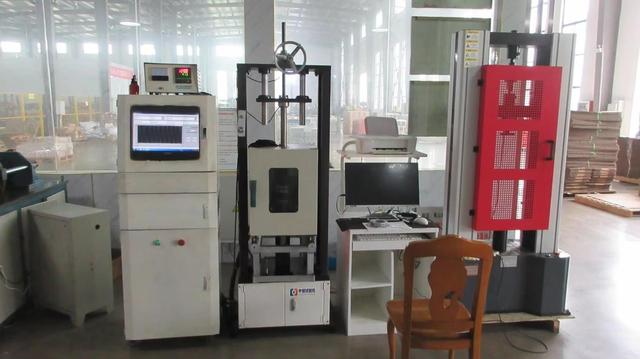
Our quality management systems are certified to IATF 16949—the rigorous automotive global standard. We maintain complete traceability for all raw materials, detailing chemical batch runs, tensile testing logs, and post-assembly checks. When shipping to North American markets, we provide documented compliance certifications for FMVSS 302 flammability standards. For European destinations, our materials undergo lab testing to verify they comply with REACH chemical limits and do not contain restricted substances of very high concern (SVHC).
Our logistics department handles export customs clearance, documentation, and maritime container stuffing. We utilize heavy-gauge barrier shrink-wrapping and moisture-absorbing desiccant packs inside our shipping containers. This ensures that textile and synthetic leather seat covers arrive in pristine, mold-free condition, even after long sea transits through tropical zones.
Discover our range of heavy-duty auto, chassis, and exhaust components engineered for long-term performance
 Yihe Auto