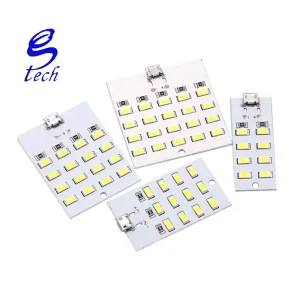
Premium grade optoelectronic components designed for extreme environments, providing optimal luminous flux and superior thermal protection for local Nigerian assembly and deployment.
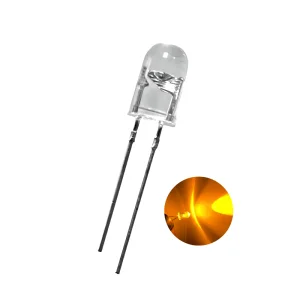
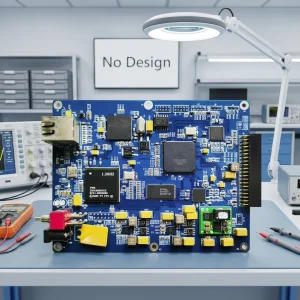
Nigeria represents the largest consumer electronics and lighting market in West Africa. However, the domestic market operates under unique geographical and infrastructural paradigms. Rapid urban expansion in metropolitan hubs like Lagos, Abuja, Kano, and Port Harcourt coupled with massive national rural electrification initiatives has driven unprecedented demand for solid-state lighting (SSL) architectures. Yet, importing cheap, fully assembled consumer-grade bulbs often leads to rapid system failure. This is due to local environmental factors including grid instability, thermal load, and atmospheric dust.
Consequently, forward-looking developers, municipal planners, and local assembly plants in Nigeria are shifting toward component-level sourcing. By sourcing high-quality optoelectronic sub-assemblies, manufacturers can control build quality and incorporate vital features like over-voltage protection and custom thermal dissipation channels. This whitepaper analyzes how high-performance lighting components solve these localized design challenges and outlines the supply chain strategies connecting Chinese production lines to Nigerian infrastructure projects.
To design or specify products for the Nigerian market, engineers must design around the grid profile. The national transmission network experiences frequent voltage swings, brownouts, and transient surges. When transient currents hit traditional low-quality LED drivers, it leads to rapid junction breakdown inside the LED chip. Additionally, diesel generators—widely used for prime or backup power across commercial sectors—generate harmonic distortion that degrades standard lighting capacitors. This creates a critical demand for industrial-grade, driverless AC modules and robust metal core PCBs (MCPCBs) capable of operating stably within wide voltage ranges.
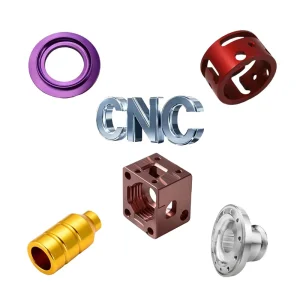
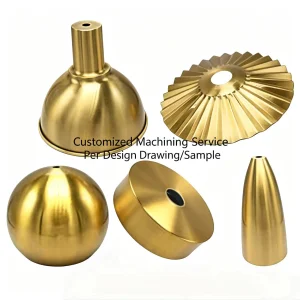
Thermal management is the single most critical factor determining the L70 lifetime of any light-emitting diode. In Nigeria, peak ambient temperatures routinely exceed 40°C in the northern regions. During the Harmattan season, airborne dust particles form a thermal insulating layer over outdoor lighting fixtures, significantly reducing passive convection. To counter this, lighting components must feature heavy-duty, high-purity aluminum housings (such as 6063-T5 extruded profiles) and custom CNC-machined brass thermal blocks. These materials pull heat away from the semiconductor junction, maintaining junction temperatures below 85°C and preventing early color shift or luminous degradation.
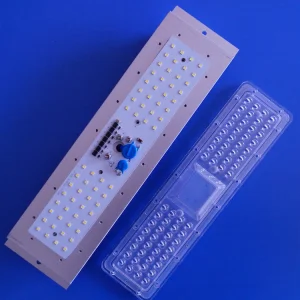
Due to the cost of grid expansion, solar street lighting and off-grid solar home systems (SHS) are expanding across Nigeria. These systems operate on low-voltage DC (typically 12V or 24V). Using standard alternating-current fixtures requires inefficient inverters, which wastes precious battery storage. By sourcing low-voltage, high-efficiency DC LED modules (such as SMD 3030 or 5050 arrays with high luminous efficacy of >160 lm/W), designers can maximize battery runtimes. This guarantees stable illumination during prolonged rainy seasons in southern states like Delta and Rivers.
In maritime industrial areas like Apapa, Lekki Free Zone, and Port Harcourt, lighting components face high humidity and atmospheric salt spray. Standard carbon steel and low-grade cast alloys quickly oxidize under these conditions, leading to mechanical failure and electrical hazards. Premium marine-grade stainless steel (SUS316) or heavy-duty brass CNC fittings are essential for these projects. Our precision-engineered brass and stainless steel components ensure watertight seals and structure integrity, meeting international marine IP67 and IP68 standards.
For B2B buyers and developers in Nigeria, managing lead times and ensuring component consistency are major challenges. Sourcing from experienced Chinese manufacturers offers significant advantages in scale, precision, and testing capabilities. China's complete raw-material ecosystem allows factories to rapidly prototype and scale production of custom aluminum extrusions, precision CNC components, and complex multi-layered PCB layouts. This efficiency helps offset local raw material price volatility and supply bottlenecks in West Africa.
By partnering with Chinese component factories, Nigerian manufacturers can shift from importing generic, high-tariff finished goods to importing high-precision, low-tariff sub-assemblies. This strategy aligns with the Nigerian Federal Government's initiatives to support domestic manufacturing and job creation. By importing raw LEDs, custom PCBAs, and aluminum housings, domestic factories can assemble tailored products locally, saving on freight costs and duty rates.
Furthermore, this supply chain strategy enhances quality control. Reputable factories implement advanced SMT (Surface Mount Technology) assembly lines and computerized SPI (Solder Paste Inspection) systems. Every batch of driverless AC modules and high-intensity diodes undergoes rigorous burn-in and spectrometer testing before export. This level of quality control is essential for components destined for demanding operating environments in Nigeria.
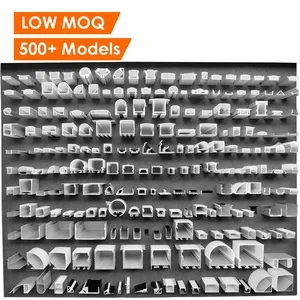
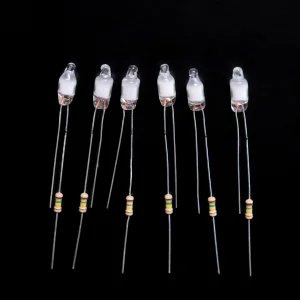
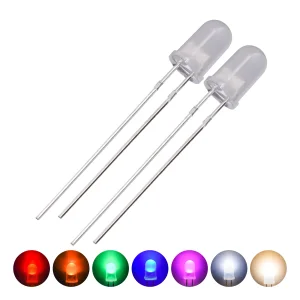
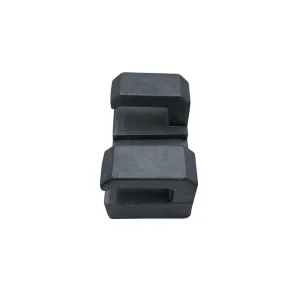
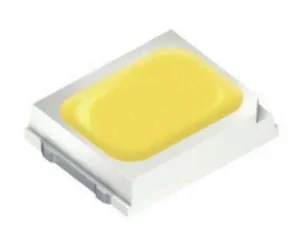
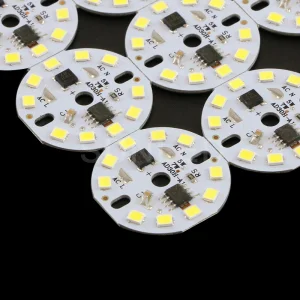
Explore our complete range of high-efficiency white LEDs, CNC-machined brass adapters, driverless power modules, and specialized aluminum extrusions, optimized for Nigerian commercial and residential assembly lines.
The next decade of lighting infrastructure in Nigeria will focus on smart, energy-efficient solutions designed for local conditions. Key technological trends driving this transition include:
Using high-quality components enables local assemblers to transition from basic lighting products to modular, smart systems. These solutions meet the specific demands of the West African market, providing reliable performance in challenging environments.
Exporting industrial electrical goods to Nigeria requires adherence to the rules established by the Standards Organisation of Nigeria (SON). The primary pathway to compliance is the SONCAP (Standards Organisation of Nigeria Conformity Assessment Programme) certificate. This mandatory process ensures that imported products meet safety and performance standards, preventing substandard imports and protecting local consumers.
Navigating the SONCAP process involves three key stages:
Our engineering and logistics teams assist clients through every step of this process, providing necessary test reports, quality documentation, and factory audits. This comprehensive support ensures smooth customs clearance and compliance for lighting projects across Nigeria.
Frequently asked technical questions from Nigerian developers, B2B importers, and municipal contractors regarding lighting component specification and sourcing.
Our driverless AC modules use high-performance IC chips that feature over-voltage, over-temperature, and over-current protection. These modules are designed to operate across a wide voltage range, absorbing transient voltage spikes and protecting the LED junction from electrical stress.
For standard products, production takes between 15 to 20 days. Custom designs, including CNC tooling or custom PCBA configurations, require 25 to 35 days. Sea freight from Shenzhen to Lagos (Apapa/Tincan) typically takes 35 to 45 days, while air freight takes 5 to 7 days.
High ambient temperatures accelerate LED lumen degradation. Aluminum extrusion profiles act as effective heat sinks, conducting heat away from the LED strip. This thermal management ensures the LEDs operate within safe temperature limits, preventing premature failure and maintaining light output.
Yes. All our products undergo testing to meet RoHS, CE, and UL standards. We provide the necessary laboratory test reports and Product Certificates (PC) to facilitate the issuance of the SONCAP Certificate (SC) for customs clearance in Nigeria.
Yes, we offer complete OEM and ODM services. This includes custom PCB design, aluminum housing extrusion, brass and stainless steel machining, and custom product labeling, allowing local brands to package and assemble systems tailored to the Nigerian market.
 Yihe Auto