Engineered to conform with European automotive emission norms and rigorous fuel delivery specifications.
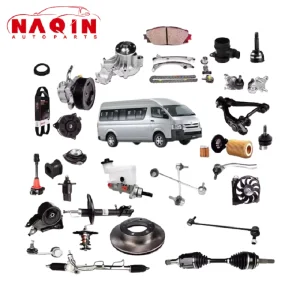
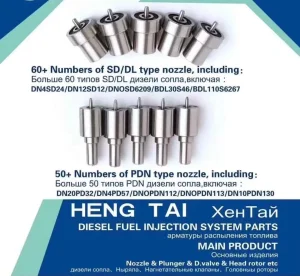
Bridging traditional automotive prowess with clean-energy logistics requirements.
The Berlin-Brandenburg metropolitan region has transitioned into a prominent hub for electric mobility and advanced automotive manufacturing in Europe. This regional paradigm shift has prompted tier-1 suppliers and commercial fleet operators to redefine their supply chains. The demand for highly durable, low-emission, and precision-engineered engine components has never been higher.
As EU regulators draft tighter Euro 7 emission guidelines, components operating in hybrid drivetrains and clean diesel commercial applications must withstand elevated operating pressures, chemical wear, and thermal stress. As an experienced component manufacturer, we deliver parts optimized for this challenging regulatory landscape.
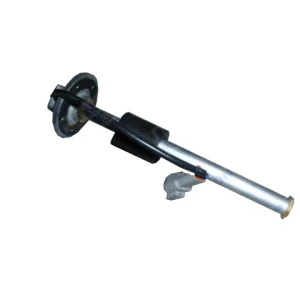
From the urban logistics delivery networks spanning Mitte to the heavy-duty machinery active in Brandenburg's infrastructure projects, local businesses demand robust component life cycles. Our high-pressure fuel lines, precision injector control valves, and sintered powder-metallurgy assemblies are engineered to minimize parasitic losses and fuel vapor permeability.
By using premium materials like PA12 Nylon and advanced engineering resins, we support components that help local operators align with strict German environmental zones (Umweltzonen) and broader European decarbonization pathways.
Advanced components developed for consistent performance under extreme operating conditions.
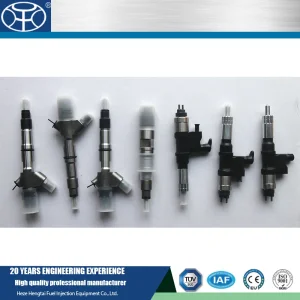
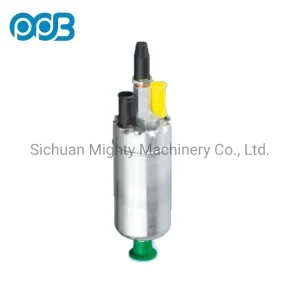
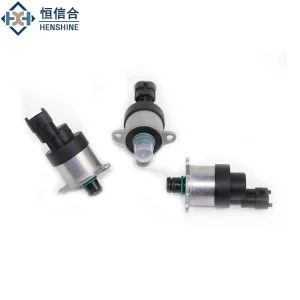
Our systems and components are engineered for global distribution, satisfying high-integrity performance metrics.
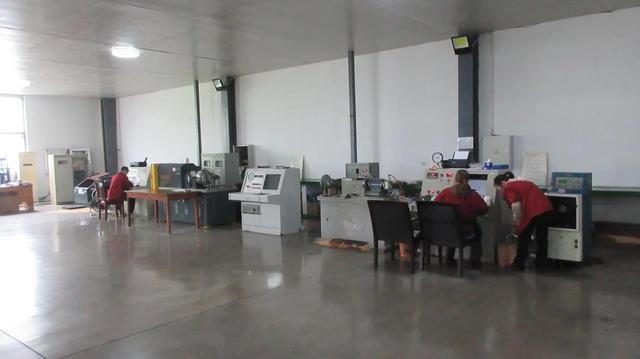
Our production flows maintain structured quality gates from raw material validation to final high-pressure flow bench testing.
Leveraging custom PM sintering densities and advanced polyamide extrusions (PA12) to secure long-term wear resistance under bio-fuel exposure.
Integrated shipping links connecting our central facilities in Guangzhou to major distribution hubs in Germany and Western Europe.
An engineering review of material requirements and flow dynamics in modern internal combustion environments.
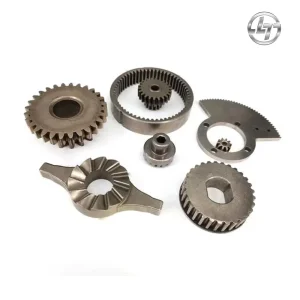
Precision fuel system parts, particularly pump components and mechanical regulators, operate in environments characterized by cyclic loading and abrasive wear. Traditional subtractive manufacturing can introduce microscopic stress concentrations. Our custom powder metallurgy sintering processes address these challenges by delivering controlled material density, isotropic physical properties, and minimal waste.
By blending high-purity stainless steel powders with custom alloying elements, we achieve sintered densities tailored to survive high hydraulic pressure cycles. This approach provides excellent geometric accuracy for intricate structures, reducing secondary machining and lowering production costs for tier-1 automotive suppliers.
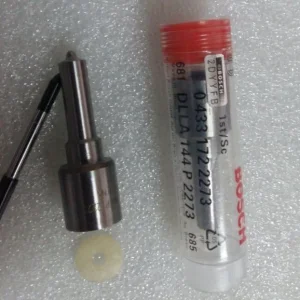
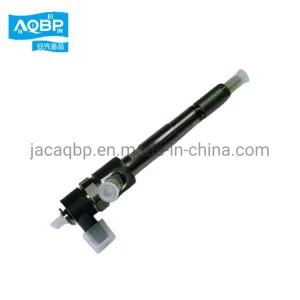
Modern common rail diesel systems achieve complete fuel combustion by operating at injection pressures up to 2,500 bar. Under these conditions, fuel atomization demands high-integrity components. Small deviations in injector cup geometry or control valve seating can lead to erratic fuel distribution, higher emissions, and potential component fatigue.
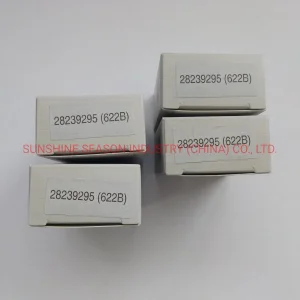
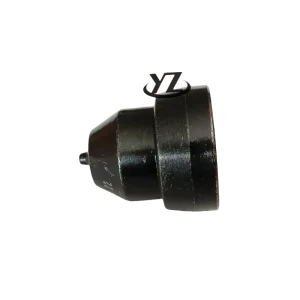
Our manufacturing processes utilize sub-micron grinding and precision honing for control valves (such as the 28239295 and 9308z625c series) to ensure minimal leakage. This degree of dimensional control helps support stable pressure modulation and optimal combustion characteristics over extended service lifetimes.
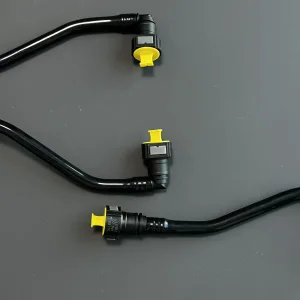
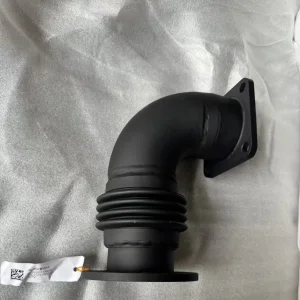
Modern fuel system design must address vapor emission standards alongside liquid fuel transport. Permeation of volatile organic compounds through fuel lines contributes significantly to a vehicle's total emissions. To meet these European standards, we manufacture PA12 Nylon high-pressure lines.
PA12 nylon offers excellent chemical stability and resistance to zinc chloride, combined with low permeability to hydrocarbon fuels (including ethanol-blended gasoline and biodiesel). This ensures our fuel lines maintain flexibility and mechanical strength over a wide temperature range, preventing degradation and system leaks.
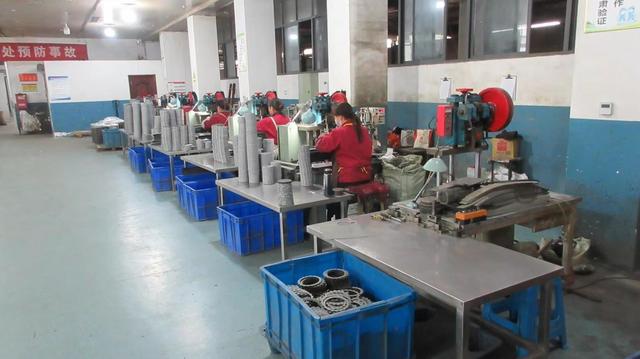
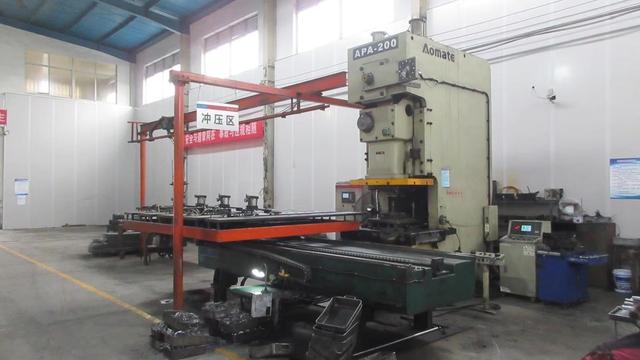
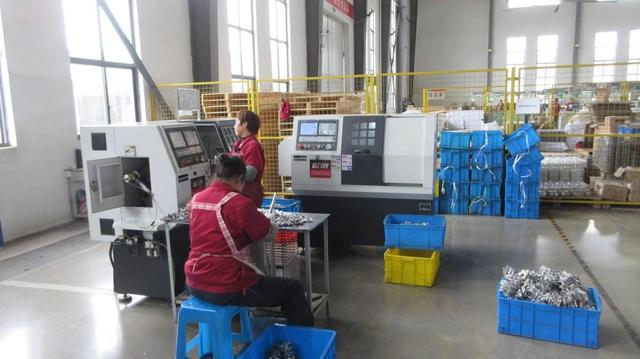
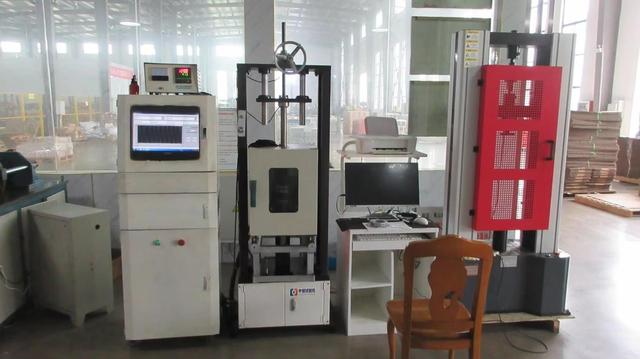
To ensure high quality across our production lines, Guangzhou Yihe Auto Co., Ltd. applies systematic inspection processes at every phase of manufacturing:
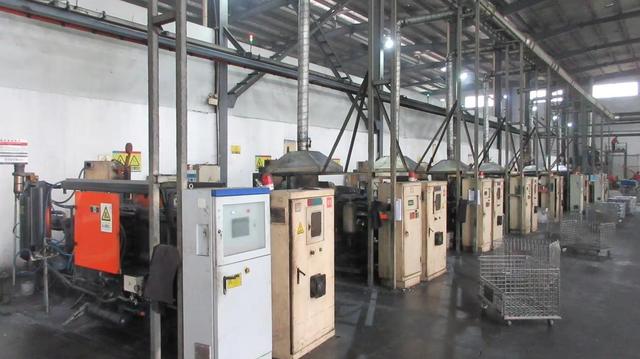
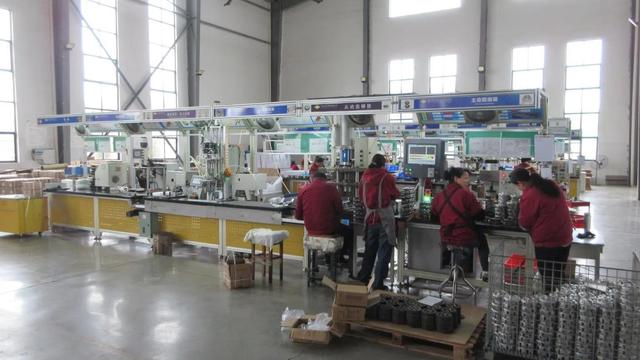
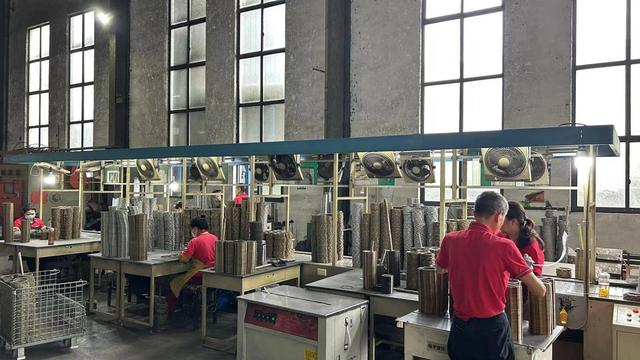
A look inside Guangzhou Yihe Auto's production facilities, machining systems, and testing departments.
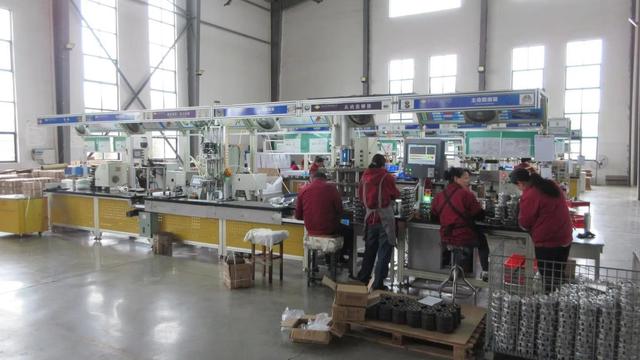
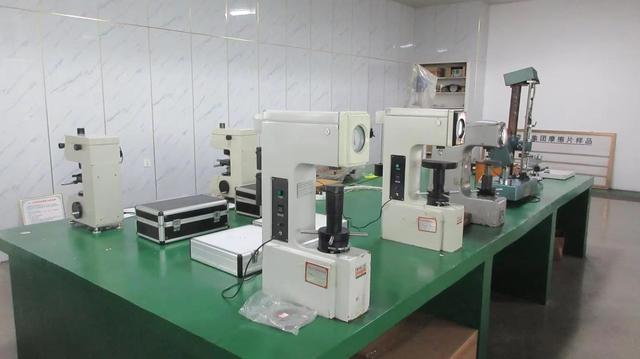
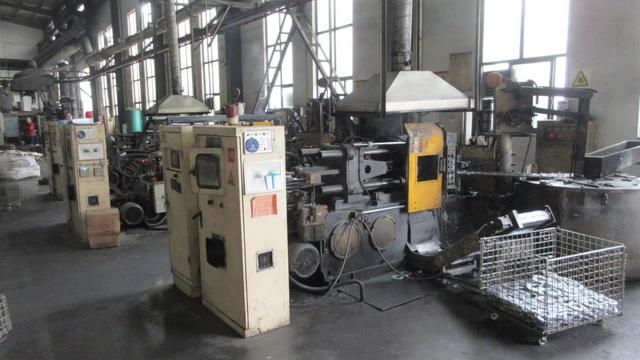
Technical answers about product compliance, material grades, and supply capabilities.
Explore our full line of automotive parts, sensors, and hardware engineered for demanding systems.
Connect with our technical team to discuss design specifications, tolerances, and procurement agreements.
Send Inquiry Now Yihe Auto