High-efficiency, custom-fabricated electronics and signaling components optimized for Seoul's technological demands.
The Seoul Metropolitan Area is undergoing one of the most aggressive smart city transitions globally. Under the auspices of the Smart Seoul 2030 initiative, municipal planners, real estate developers, and transport authorities are implementing deeply integrated IoT-based, energy-efficient lighting ecosystems. This architectural and civic restructuring demands an unprecedented volume of high-specification, industrial-grade lighting components designed to withstand intense duty cycles, high thermal fluctuations, and strict regulatory criteria.
From the high-tech digital media facades in the Digital Media City (DMC) of Mapo-gu, to the massive subterranean transit structures of the Seoul Subway and GTX (Great Train eXpress) networks, standard residential lighting products simply fall short. Specifiers require heavy-duty components that offer high *luminous efficacy*, precise color chromaticity coordinates, and long-term durability. By linking precision hardware manufacturing with state-of-the-art optoelectronics, our supply pipeline serves as a critical asset for South Korean engineering firms aiming to deliver projects on time and in alignment with strict domestic performance standards.
Seoul's smart grid demands components equipped with intelligent, dimmable PCBA controllers that interface seamlessly with local Zigbee, DALI, and K-X IoT systems.
With energy conservation mandates in Gangnam and Yeouido skyscrapers, our LEDs achieve up to 160 lm/W, minimizing overhead operational expenses.
All structural components, electrical PCBAs, and semiconductor diodes are constructed to satisfy the strict requirements of Korean KC safety audits.
Furthermore, Seoul's climate—ranging from freezing winter drafts reaching down to -15°C to high-humidity summer monsoons surpassing 35°C—means that thermal fatigue and moisture ingress represent major failure points for external lighting. This environmental reality makes the selection of high-heat-dissipation substrates (such as MCPCBs) and high-level ingress protection (IP67) housing components not merely a design preference, but a strict architectural necessity.
To understand where our custom manufactured products interface with Seoul's commercial ecosystem, we examine three core real-world application environments:
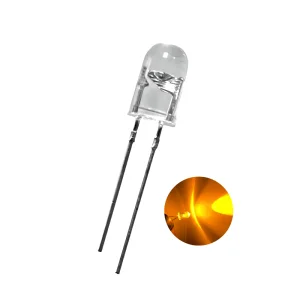
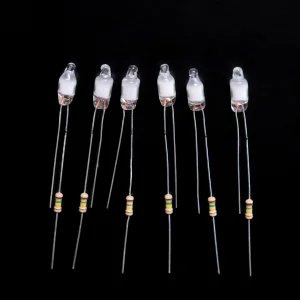
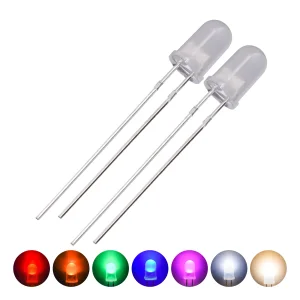
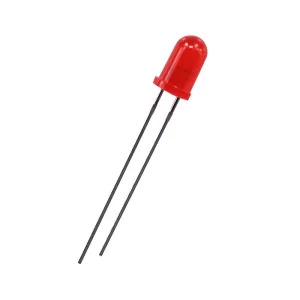
Seoul's rapid transit network is widely recognized as one of the most efficient globally. This level of reliability is sustained through high-visibility signaling components. The application of our ROHS Certified T1 3/4 F5 590-595nm Amber LED Diodes is crucial in this arena. Characterized by a peak wavelength of 590-595nm, these amber LEDs provide maximum penetration through fog and dust, serving as critical warning indicators in automobile flash systems and platform safety markers. Engineered for high luminosity (up to 20,000mcd) at a low current draw of 20mA, they ensure continuous operations without taxing auxiliary electrical lines.
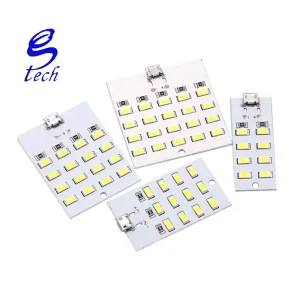
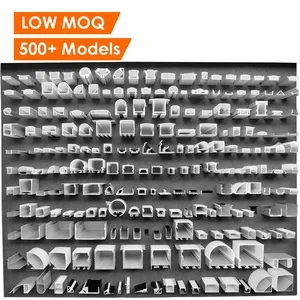
In dynamic retail and entertainment zones, high-density lighting is used to create sensory spectacles. The use of custom SMT PCBA design and high-accuracy aluminum extrusion channels (such as our LED Strip Profile Channel Diffusers) enables local lighting designers to construct continuous linear paths of light along exterior building envelopes. Our aluminum profiles prevent hotspot reflections on nearby windows, while offering excellent heat dissipation for high-output strips. Combined with IP67 waterproof pixel light boards, these installations withstand the seasonal elements of the Han River basin.
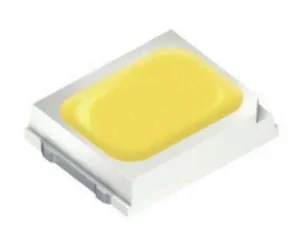
For delicate settings like the National Museum of Korea in Yongsan-gu or luxury boutiques in Cheongdam-dong, lighting must accurately represent colors without emitting harmful UV radiation. This is where our High CRI 95+ Dimmable LED Diode Kits excel. Providing exceptional color rendering index ratings, these components ensure that historical artifacts and luxury materials are rendered in their true spectral profile, preventing fabric degradation while facilitating precise analog dimming controls down to 1%.
As lighting architecture evolves, technology is shifting from discrete component assemblies to integrated, smart, and driverless architectures. We align our manufacturing roadmap directly with these forward-looking standards to support Seoul's energy-saving goals.
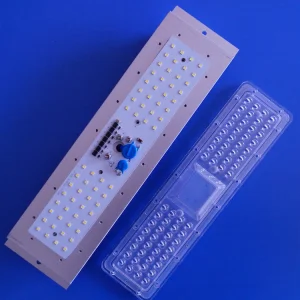
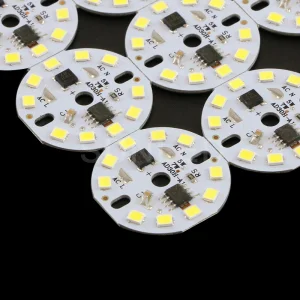
Traditionally, the weakest link in any LED installation is the external driver, which often fails long before the LED diode due to the degradation of internal electrolytic capacitors. Our PH 3030 SMD Driverless AC LED Module (50W) addresses this directly. By integrating high-voltage IC controllers directly onto the MCPCB substrate, the need for bulky external drivers is eliminated. This significantly lowers thermal resistance, extends product lifetime to over 50,000 hours, and simplifies the internal configuration of outdoor streetlights and industrial floodlights in Seoul's industrial parks.
| Component Specification | Legacy Component Standards | Next-Gen Driverless/High-CRI Standards | Seoul Project Relevance |
|---|---|---|---|
| Driver Architecture | External SMPS (Electrolytic Caps) | Integrated Direct-AC Driverless ICs | Reduces failure rates in high-access highway tunnels. |
| Color Accuracy (CRI) | CRI 70 to 80 (Standard) | CRI 95+ (True Spectral Output) | Essential for commercial galleries and fashion hubs in Gangnam. |
| Thermal Interface | Standard FR4 PCB Substrates | High-K Aluminium MCPCBs (2.0 W/mK) | Prevents thermal runaway during hot Seoul summers. |
| Enclosure Metallurgy | Stamped sheet metal / Basic Plastic | High-Precision CNC Machined AL6061 / SUS304 | Withstands corrosive road salt and air pollution. |
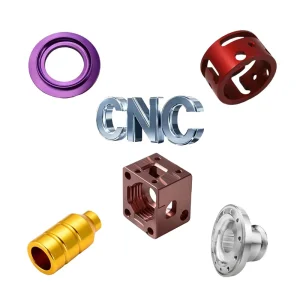
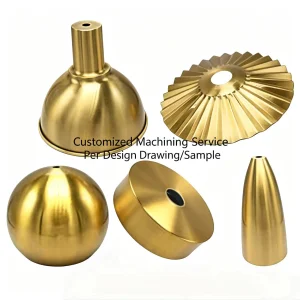
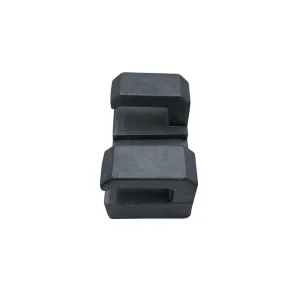
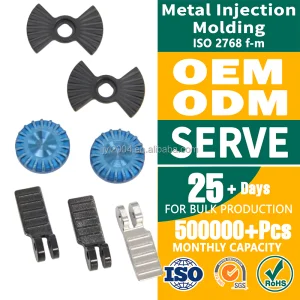
Optoelectronic efficiency is directly tied to thermal management. Our high-precision CNC Machining Brass and Aluminum Accessories are manufactured to tolerances within ±0.01mm. This ensures flat contact surfaces between the LED module and the external heat sink, minimizing thermal resistance. Whether producing heavy-duty stage lighting housings for Mapo-gu concert venues or durable stainless steel fittings for marine installations along Incheon Port, our custom metal division guarantees optimal thermal paths and robust mechanical load capacities.
The proximity of the industrial hubs in South China to the South Korean market offers major logistical advantages. For Seoul-based contractors, sourcing custom assemblies from our modern factories in China provides the ideal balance of speed, cost efficiency, and technical precision.
Our factory features advanced SMT high-speed placement lines, multi-axis precision CNC milling facilities, and state-of-the-art optoelectronic testing chambers. This enables us to transition from digital prototyping to physical manufacturing within 48 to 72 hours. Our components are shipped via direct cargo routes connecting Shenzhen and Ningbo ports to Incheon Port, with air-freight options delivering to Gimpo and Incheon International Airports in under 4 hours. This efficient logistical setup allows us to offer just-in-time delivery schedules that rival domestic Korean suppliers.
Furthermore, our procurement of raw materials (such as high-grade aluminum, brass, and premium semiconductor chips) is managed at scale. This allows us to offer competitive pricing, protecting your projects from local market volatility. By sourcing from a single, vertically integrated manufacturer, South Korean clients can simplify their vendor management and minimize supply chain risks.
Navigating import regulations and technical compliance is critical for any successful commercial lighting project in South Korea. Our engineering team is fully versed in both international and Korean standards:
Whether you require customized packaging labeled with local tracking details or detailed laboratory test results (including LM-80 reports for LED lifetime verification), our customer support team is equipped to assist you through every stage of the procurement process.
Key technical answers for South Korean engineers, procurement managers, and municipal planners.
For standard SMT PCBA runs and prototype CNC machining, fabrication is completed in 5 to 7 business days. Shipping via air freight to Incheon International Airport (ICN) takes 1 to 2 days, while sea freight to Incheon Port takes approximately 5 to 7 days, depending on customs clearance schedules.
The 590-595nm spectrum offers low scattering through atmospheric particulates such as fog, yellow dust, and winter smog. This makes it the standard specification for traffic light arrays, safety indicators, and emergency vehicle lights in the Seoul Metropolitan Area.
Yes. Our driverless AC LED modules can be integrated with external smart control cards that interface with standard protocols used in Seoul, such as DALI-2, Zigbee, and local power-line communication (PLC) grids.
For high-humidity river environments, we recommend AL6061 anodized aluminum or SUS304/316 stainless steel. These alloys offer excellent corrosion resistance against chemical pollutants and high humidity, protecting your installations year-round.
We use strict 3-step MacAdam Ellipse binning protocols. This ensures that all LED diodes shipped for your project maintain consistent color temperatures (CCT) and chromaticity coordinates, eliminating visible differences across large installations.
Browse our complete range of certified electronic parts, indicators, and precision-machined metal hardware.
 Yihe Auto