Engineered for extreme reliability under tropical conditions. Trusted by local Metro Manila municipalities and commercial contractors.
Metro Manila, the economic heart of the Philippines, is undergoing an unprecedented infrastructural and commercial transformation. Rapid urbanization in key commercial districts like Bonifacio Global City (BGC), Makati Central Business District, Ortigas Center, and the booming gaming hub in the Bay Area has sparked an exponential demand for energy-efficient, robust industrial and commercial lighting.
With the government's aggressive implementation of infrastructure programs, municipal authorities and private developers are modernizing public spaces, transport terminals, high-rise office towers, and warehousing facilities. However, the Philippine market presents unique challenges: the country suffers from some of the highest electricity tariffs in the ASEAN region, making energy-saving LED solutions a critical necessity rather than a green luxury. Additionally, Manila's tropical maritime climate, characterized by prolonged monsoon seasons, extreme humidity, and high temperatures, requires electrical components with superior thermal management, ingress protection (IP ratings), and moisture-resistance.
Key Challenge for Manila Projects: Low-quality lighting components lead to massive maintenance costs due to premature thermal failure. High-efficiency components built with premium aluminum profiles and robust driver architectures are essential for lowering total cost of ownership (TCO).
On a global scale, the industrial and commercial lighting sector is transitioning from simple illumination to smart, integrated, and sustainable systems. The adoption of the Internet of Things (IoT) in building management systems (BMS) demands lighting components that are digital-native, compatible with PWM dimming, and capable of high-reliability communication. Zhaga Consortium standards, DALI-2 protocols, and high CRI (Color Rendering Index) values are standard parameters demanded by international procurement agents.
Moreover, global carbon reduction goals drive the adoption of high-luminous efficacy chips (exceeding 160 lm/W) and driverless AC modules that minimize component degradation and extend lifetime beyond 50,000 operational hours. Global procurement managers now prioritize suppliers who strictly adhere to environmental regulations such as RoHS and WEEE, and possess safety certifications including UL, CE, and ISO 9001.
| Component Category | Critical Parameters | Manila Local Compliance Requirement | Primary Industrial Benefit |
|---|---|---|---|
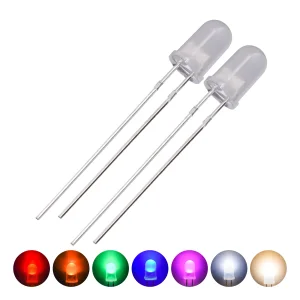
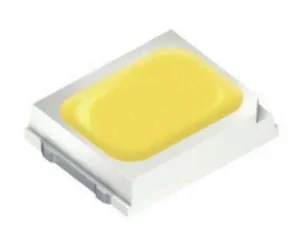
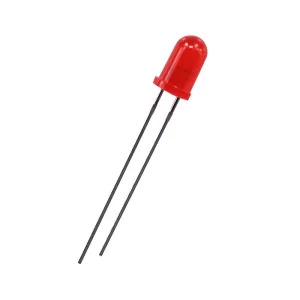
| High-Power LED Diodes | 20,000mcd, High CRI (95+) | RoHS / CE Certified | High visibility in humid/dusty environments |
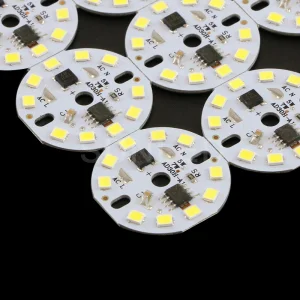
| Driverless AC LED Modules | Direct AC Input, Over-voltage Protection | Fluctuation-Resistant (180V-265V) | Elimination of weak-link capacitors |
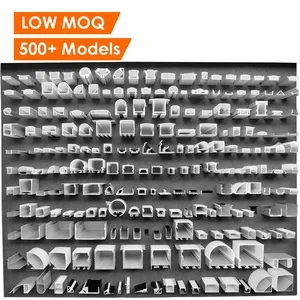
| CNC Aluminum Profiles | Anodized, T5/T6 Heat Dissipation | Salt-Spray Corrosion Resistance | Prolongs LED lifespan by minimizing TJ (Junction Temp) |
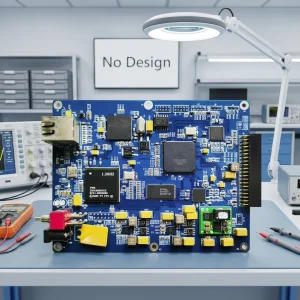
| Custom SMT Solder PCBAs | 14-Year OEM Quality, FR4/Metal Core | UL94V-0 Flame Retardancy | Eliminates electrical fires in high-density areas |
For Philippine contractors and global buyers, sourcing components directly from leading Chinese manufacturers offers massive competitive advantages. As the global hub of LED innovation and electronics manufacturing, Chinese factories provide a highly integrated ecosystem that integrates raw material extrusion, SMT assembly, precision tooling, and rigorous optical testing.
Our manufacturing facilities utilize high-speed SMT lines, advanced CNC machines, and automated optical inspection (AOI) to ensure defect rates under 10 PPM (Parts Per Million). By leveraging this operational efficiency, we offer Manila importers:
From municipal infrastructure to luxury retail displays, our lighting components are built to power diverse Philippine landscapes.
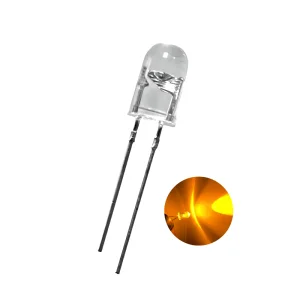
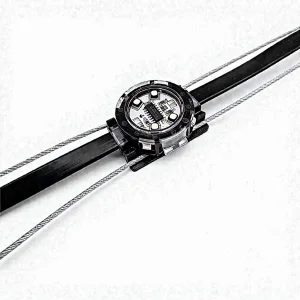
Our high-visibility Amber LED traffic light components and IP67 pixel displays are deployed to optimize high-traffic corridors like EDSA, ensuring consistent operation even during extreme monsoon rains and typhoon seasons.
High CRI (95+) LED diodes and extruded aluminum channels are engineered for high-end boutique stores and commercial centers in BGC and Greenbelt, ensuring true-to-life colors and premium aesthetic appeal.
Utilizing high-power driverless AC LED modules (50W+) to replace outdated metal halide fixtures in warehouse parks throughout Pasig, Valenzuela, and Caloocan, resulting in immediate energy consumption drops.
Explore our full line of LED chips, custom SMT PCBAs, thermal-management aluminum profiles, and specialized stage lighting hardware.
As urban environments like Metro Manila become smarter, the design requirements for lighting systems are evolving. We identify three pivotal trends shaping procurement decisions:
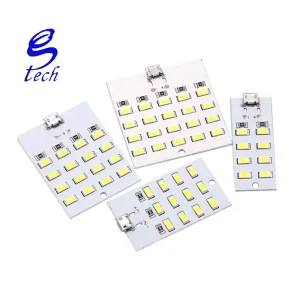
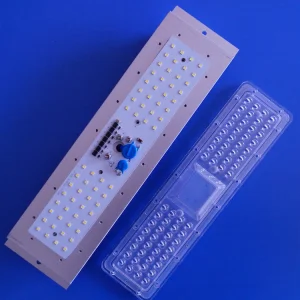
A. The Rise of Driverless AC LED Modules: Traditional LED assemblies rely on electrolytic capacitors within the drivers—components that are highly sensitive to voltage spikes and thermal stress, common occurrences in the Philippines' electric grid. By integrating driverless AC technology (such as the PH 3030 SMD AC module), the driver circuit is consolidated directly onto the SMT board. This reduces points of failure, minimizes profile dimensions, and drastically extends longevity.
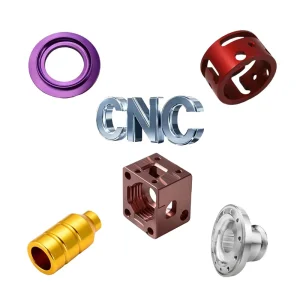
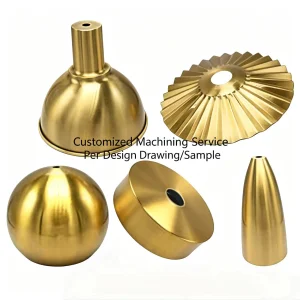
B. Architectural Integration and Custom Extrusions: Standard lighting fixtures are giving way to linear architectural integrations. Contractors are utilizing precision-engineered LED strip profile channels to wash walls, trace structural geometries, and provide indirect accent lighting. The demand for customized CNC machined aluminum and brass accessories has risen as designers seek high-precision components that double as vital heatsinks.
C. Sustainability and Harsh Environment Compliance: Global buyers require certified components (RoHS, CE, UL) to comply with international green building ratings (such as LEED or the Philippines' BERDE system). Components must endure high ambient temperatures, chemical exposure (in coastal marine regions like Manila Bay), and continuous dust ingress without losing more than 3% lumen output annually.
Sourcing components directly from an OEM/ODM factory requires a rigorous assessment of production methodologies. The table below highlights critical indicators that procurement agents and engineers must verify before establishing partnership contracts:
Answers to critical questions regarding logistics, material specifications, customization, and quality control.
 Yihe Auto