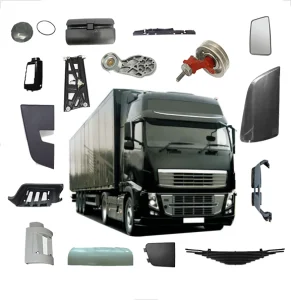
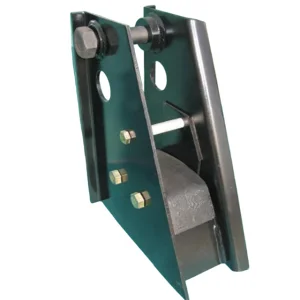
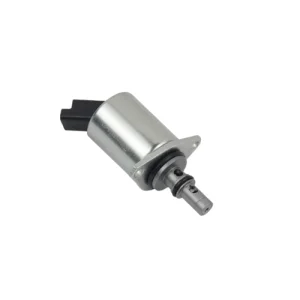
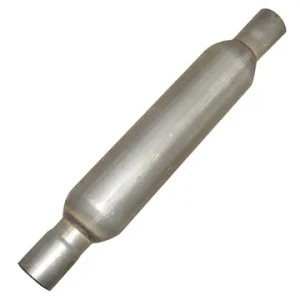
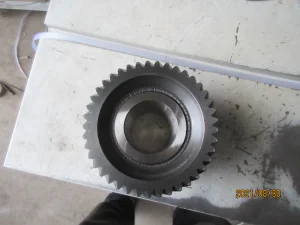
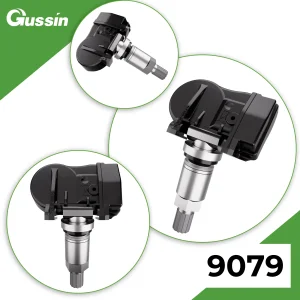
Discover our primary engineering outputs, manufactured to rigorous TS16949 Standards for modern passenger, commercial, and electric vehicles.
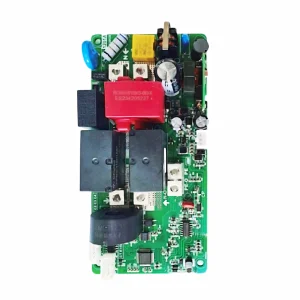
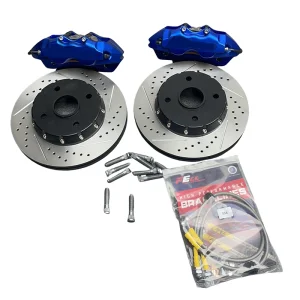
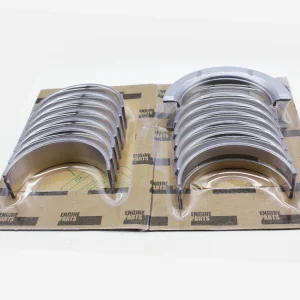
In the contemporary automotive sector, wheels are no longer treated merely as aesthetic accents. They are highly complex structural components directly influencing vehicle dynamics, safety, fuel efficiency, and overall suspension performance. As global supply chains face mounting structural transitions, selecting a reliable manufacturer is crucial. Guangzhou Yihe Auto Co., Ltd. stands as a premier manufacturer, supplier, and exporter of high-precision auto components, delivering advanced custom OEM aftermarket wheels alongside integrated engine components, steering components, and completely optimized suspension systems.
Operating from our state-of-the-art production facility in Guangzhou, China, Yihe Auto utilizes advanced manufacturing technologies—including dynamic multi-axis CNC machining, structural simulation software, and complex forging presses. We serve an extensive portfolio of international wholesalers, commercial distributors, vehicle builders, and high-performance tuning networks across North America, Europe, the Middle East, Southeast Asia, South America, and Africa. By integrating our deep expertise in high-stress metallurgy with global logistical standards, we ensure that every customized aftermarket wheel and chassis system we ship meets the performance thresholds demanded by the international market.
"E-E-A-T Paradigm: Guangzhou Yihe Auto Co., Ltd. builds upon decades of precision machining experience. By maintaining full structural traceability and strict ISO/TS 16949 compliance, we bridge the gap between heavy industrial reliability and customized artistic design requirements in the aftermarket wheel sector."
Complete customization from raw concept CAD modeling to structural prototyping and volume extrusion. Tailored offset, PCD, center bore, and custom finishes.
Compliance engineered to achieve JWL/VIA standards, TÜV Germany certifications, and US DOT specifications. Full structural integrity testing for high-stress applications.
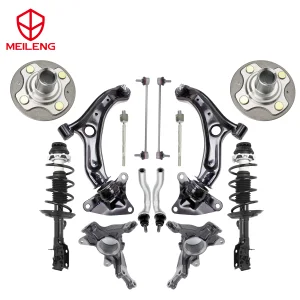
Synergized production covering wheel hubs, steering knuckles, control arms, and braking systems to guarantee perfect mechanical alignment and zero fitment conflict.
The manufacturing of premium aftermarket wheels requires strict adherence to physics and mechanical engineering. Modern custom wheel design relies on three core techniques: low-pressure gravity casting, flow-forming (sometimes termed rotary forging), and solid-state forged monoblock processing.
Low-pressure casting is ideal for high-volume OE production due to its efficiency. However, the aftermarket demands higher mechanical limits. To address this, Yihe Auto utilizes advanced flow-forming technology. During flow-forming, cast preforms are mounted on a mandrel and spun while high-pressure hydraulic rollers stretch the barrel. This changes the microstructure of the aluminum alloy, increasing its tensile strength and shock resistance. The resulting barrel is thinner, lighter, and more durable, closely matching the structural characteristics of forged wheels.
For high-performance applications, we use forged 6061-T6 aluminum alloys. Using multi-thousand-ton hydraulic presses, the raw aluminum billet is compressed to align its grain structure with the wheel's shape. This alignment enhances directional strength, allowing us to reduce material thickness. Consequently, we can create thin-spoke designs that reduce unsprung mass without sacrificing structural integrity.
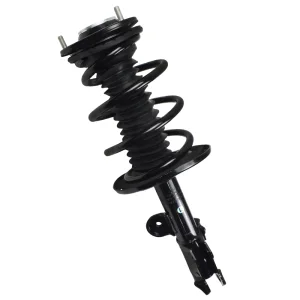
Reducing unsprung mass improves suspension responsiveness. When a wheel is lighter, the shock absorbers and control arms (such as those in our vehicle-specific suspension kits) react faster to road surfaces. This keeps the tires firmly planted, improving traction, braking distance, and cornering stability.
The global automotive aftermarket is changing rapidly due to supply chain restructuring, shifting trade laws, and the growth of electric vehicles (EVs). Traditional internal combustion engine (ICE) wheel setups are no longer sufficient for modern EV needs.
Electric vehicles, with heavy battery packs and instant electric motor torque, put higher stress on wheels. Standard aftermarket wheels can experience premature metal fatigue or deformation under these conditions. To prevent this, manufacturers must redesign wheel geometries. This includes widening the bead seat to handle high radial loads and reinforcing the mounting pad to resist shear stress from sudden acceleration.
Trade policies also present challenges. High anti-dumping duties and tariffs on aluminum products require manufacturers to optimize their processes. By using automated manufacturing, precision engineering, and integrated shipping, Yihe Auto remains competitive in key markets like North America and the European Union. We also handle customs documentation, container packing, and maritime compliance to ensure hassle-free global shipping.
| Regional Market | Dominant Wheel Specifications | Primary Compliance Thresholds | Logistical Requirements |
|---|---|---|---|
| North America | 20" - 24" Large Offroad / Deep Lip / High Load Index | SAE J2530, DOT Compliance, Salt Spray Testing (240h) | FOB Ports, Palletized LCL/FCL, EPA Air Valve Regulations |
| European Union | 18" - 21" Concave / Flow Formed / EV Aerodynamic Styles | TÜV Certifications, ECE R124, KBA Specifications | EUR-Pallets, Duty-cleared custom clearance protocols |
| Middle East & Asia | 19" - 22" High Finish Forged Monoblock / Multi-piece Look | JWL, VIA Japan, SASO (Saudi Arabia) Standards | High-temperature resistance coating, fast-air freight options |
Exporting aftermarket wheels globally requires strict compliance with regional safety standards. A wheel must pass three critical tests before entering the market: radial fatigue testing, rotary bending fatigue testing, and impact testing.
Rotary Bending Fatigue Testing simulates the lateral forces a wheel experiences when cornering. The wheel's mounting flange is clamped to a rotating table while a constant bending moment is applied to the center hub. The wheel must survive hundreds of thousands of cycles without developing structural cracks.
Radial Fatigue Testing simulates driving on a straight road under load. The tire and wheel assembly are pressed against a rotating steel drum. A constant radial force is applied to simulate the vehicle's weight.
Impact Testing (13° / 30° Angles) simulates hitting potholes or curbs. A heavy steel weight is dropped onto the outer rim edge. The wheel must not show sudden fractures or lose tire pressure within a specified time frame.
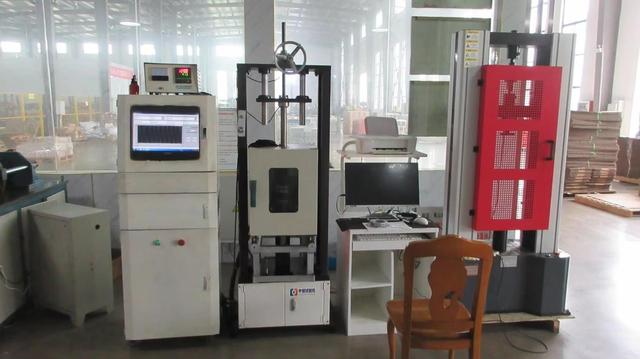
"Engineering Compliance Note: Our factory testing facilities are equipped with digital data-logging systems to document every test cycle. This provides clients with the certified test reports needed for regulatory approval in their local markets."
We also tailor wheel designs for different regions. This includes adjusting wheel offsets (ET values) to fit specific body styles, modifying center bores to eliminate hub ring adapters, and styling spoke profiles to clear large brake calipers, such as our performance big brake kits.
Wheels must be designed to suit local road conditions, weather, and driving habits. We customize our products for three primary scenarios:
In regions like Eastern Europe, Canada, and the Northern US, road salt accelerates metal corrosion. Standard polished wheels can quickly degrade in these conditions. To solve this, we apply a multi-stage protective coating: a zinc-rich powder primer base, a high-density color coat, and an acrylic clear coat. This setup passes 240-hour ASTM B117 salt spray testing, protecting the alloy structure from road chemicals.
For off-road vehicles and heavy utility trucks, wheels must handle high impact loads and variable tire pressures. We reinforce the wheel flange to protect against trail debris and design anti-slip bead seats to keep the tire in place during low-pressure off-road driving.
EV range is heavily affected by aerodynamic drag. Standard open-spoke wheels generate air turbulence, reducing efficiency. We design wheels with flat, surface-optimized spoke layouts that direct airflow smoothly along the vehicle's sides, helping extend battery range.
The automotive industry is moving toward smart, sustainable, and integrated components. Our development roadmap focuses on three main initiatives:
Generative AI & Structural Topology Design: We use machine learning algorithms to optimize wheel designs. By inputting load cases, boundary conditions, and manufacturing limits, software generates wheel geometries that place material only where stress is highest. This allows us to reduce weight while maintaining full structural strength.
Carbon Fiber Composite Hybrids: We are developing hybrid wheels featuring forged aluminum faces paired with carbon fiber barrels. This configuration reduces wheel weight by up to 40% compared to cast aluminum, improving vehicle handling and responsiveness.
Cyber-Physical Wheel Assemblies: As smart vehicles become standard, wheels will integrate more advanced sensing technologies. By embedding tire pressure monitoring systems (TPMS) and load sensors directly into the wheel hub assembly, we enable real-time tracking of tire pressure, wheel temperature, and structural stress.
Clear, expert-level answers to common industry inquiries regarding wheel procurement, structural testing, and custom engineering.
Casting involves pouring molten aluminum into a mold. While cost-effective, it results in a more porous grain structure. Flow-Forming applies hydraulic rollers to stretch the barrel of a cast preform, refining the grain structure and increasing tensile strength. Forging uses high-pressure hydraulic presses to shape solid billet aluminum, creating a dense, aligned grain structure. Forged wheels offer the highest strength-to-weight ratio, allowing for thinner, lighter, and more durable designs.
Wheel offset determines where the wheel sits relative to the mounting hub. Incorrect offset can cause tires to rub against suspension parts or fenders. It also changes the scrub radius, which can increase steering effort and wear out suspension bushings and wheel bearings faster. When engineering custom wheels, we verify the suspension geometry to maintain the factory scrub radius and ensure proper handling.
JWL (Japan Light Alloy Wheel) is a Japanese safety standard. VIA (Vehicle Inspection Association of Japan) independently tests and verifies compliance with these standards. Together, they confirm that a wheel has passed strict fatigue, bending, and impact tests. Many countries require JWL/VIA standards for wheels to be legally sold and used on public roads.
Yes. We adjust the spoke profile and wheel barrel geometry to provide clearance for larger calipers and brake discs. During the CAD design phase, we run clearance simulations using the brake kit's dimensions to ensure a precise fit without requiring spacers.
Lead times vary depending on design complexity and production volume. 3D modeling and structural validation typically take 7-10 business days. Prototyping takes 15-20 days, and mass production takes 30-45 days. Shipping times depend on the destination port and transport method.
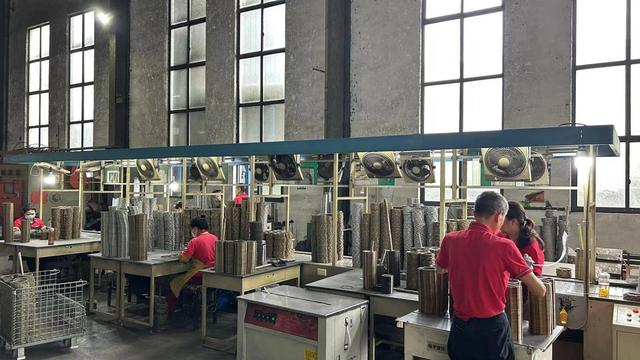
Guangzhou Yihe Auto Co., Ltd. operates advanced machining, surface-finishing, and quality control lines to ensure every component meets global standards.
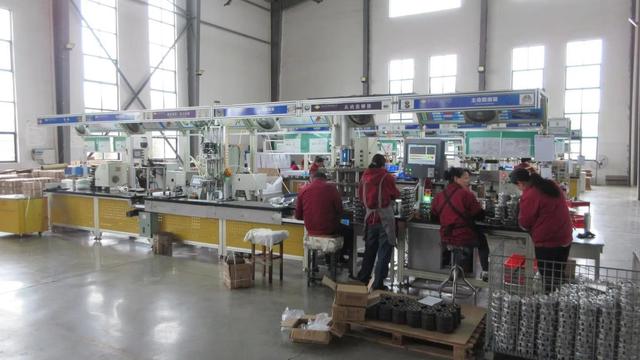
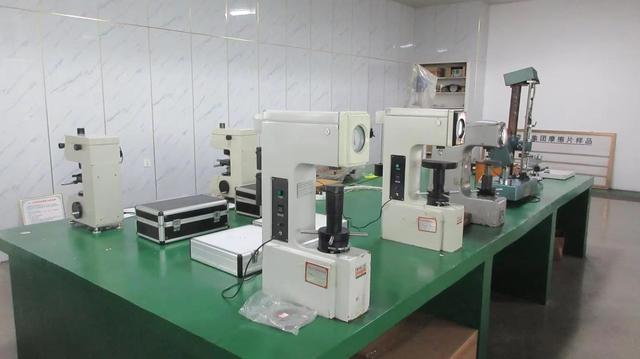
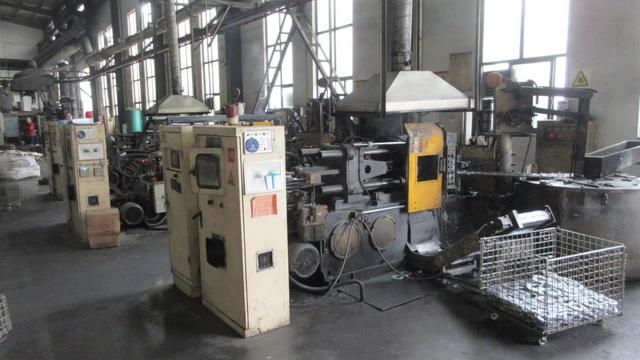
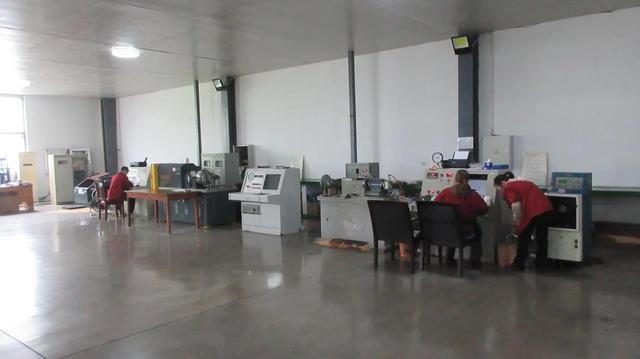
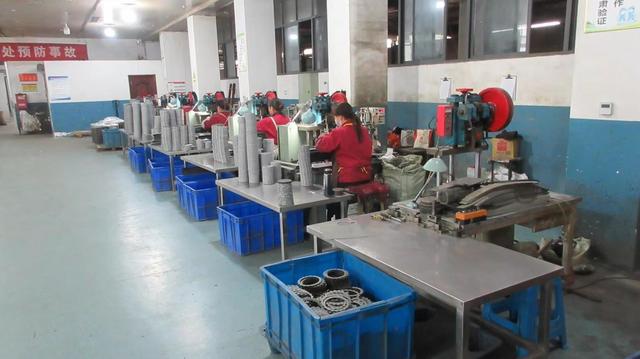
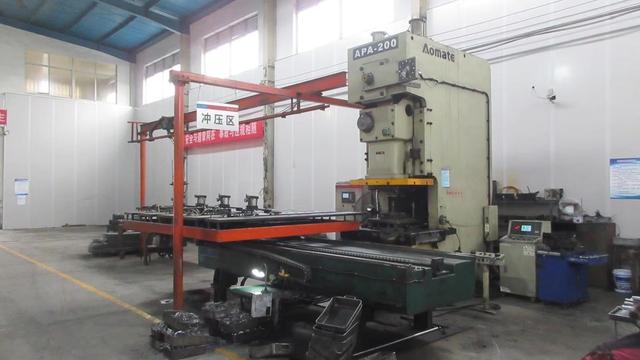
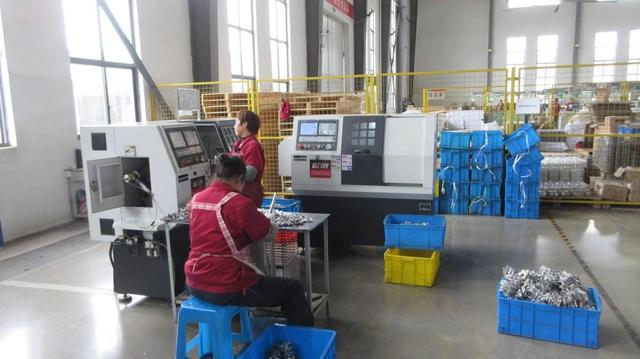
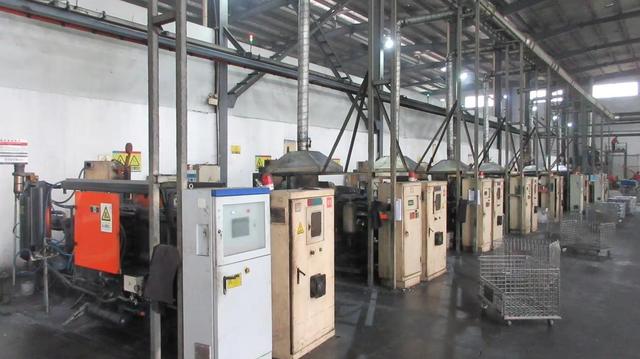
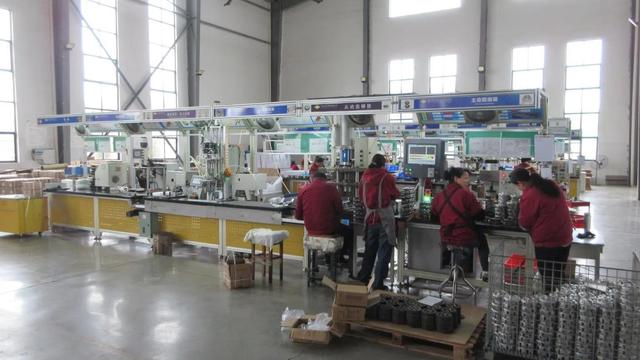
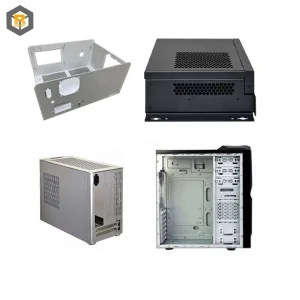
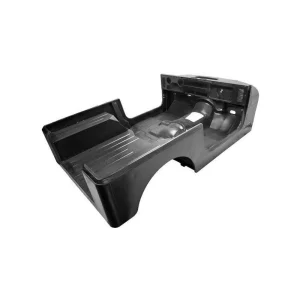
Explore our range of auto body panels, custom enclosures, and vehicle components designed for global automotive platforms.
 Yihe Auto